IRL Profile
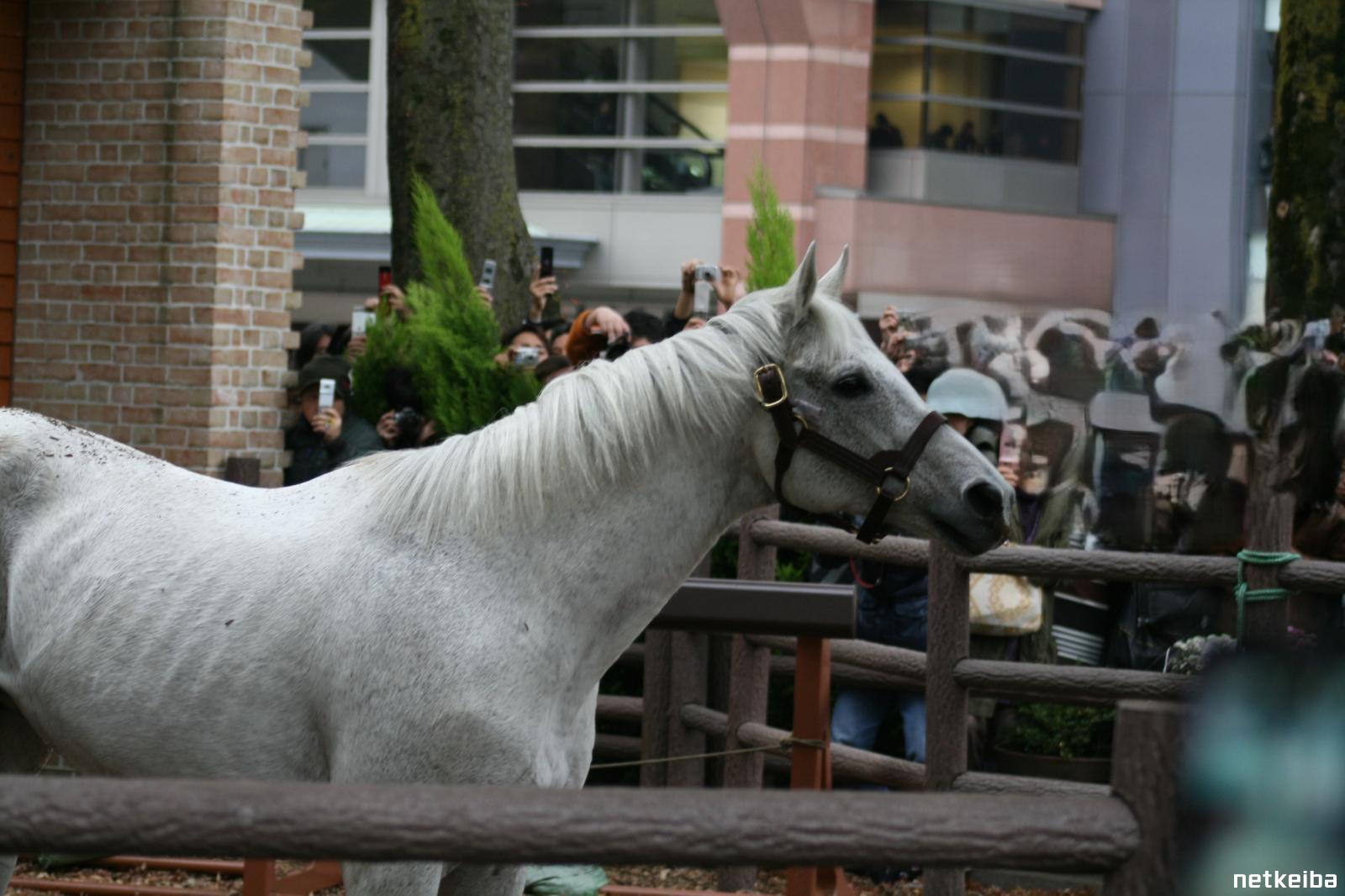
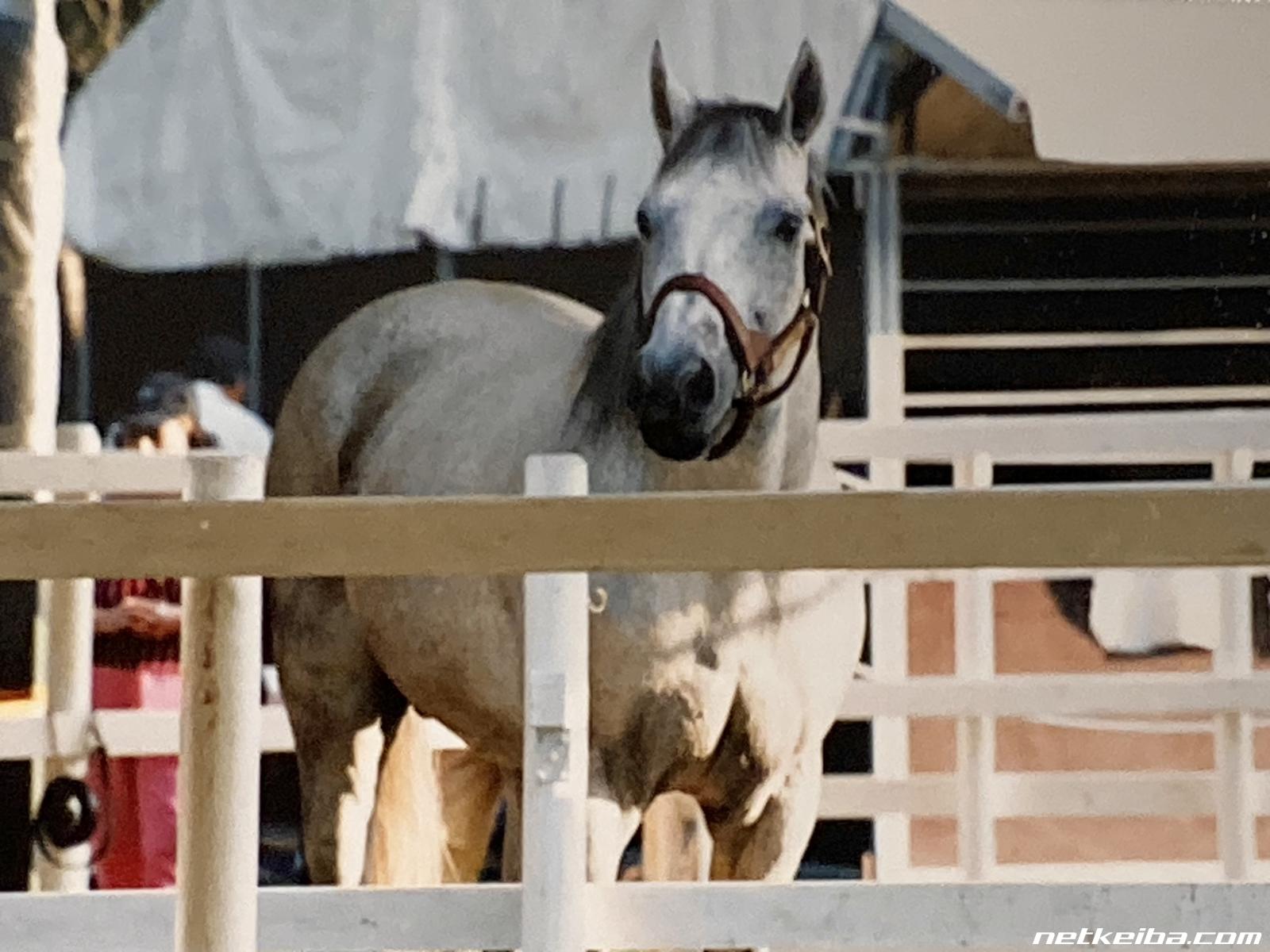
Oguri Cap stands among the greatest and most beloved racehorses in Japanese racing history. A grey stallion foaled on 27 March 1985, he was bred by Inaba Bokujo in Hokkaido and raced for owner Toshihiko Kobayashi. Trained first by Yutaka Takai at the Kasamatsu Racecourse and later by Yoshio Shibata after transferring to the Japan Racing Association (JRA), Oguri Cap's story became one of the most remarkable underdog tales the sport has ever seen.
By Dancing Cap, a grandson of the legendary Native Dancer, and out of White Narbee, with Silver Shark as his damsire, Oguri Cap possessed a pedigree that few expected would produce a national icon. His sire had enjoyed only moderate success in Europe before standing in Japan, while his dam came from relatively modest bloodlines. Unlike many future champions bred at prestigious farms, Oguri Cap began his career far from the spotlight in regional racing.
From Regional Unknown to National Hero
Oguri Cap made his debut at Kasamatsu Racecourse in May 1987. It quickly became obvious he possessed ability well beyond regional competition. After losing on debut, he won 10 of his next 11 races, overwhelming local opposition with powerful late finishing runs that quickly earned him widespread attention.
His dominance became so complete that many believed he had outgrown regional racing altogether. In 1988 he transferred to the JRA, where expectations were cautious. Horses moving from regional circuits rarely challenged Japan's elite, let alone defeated them.
Oguri Cap shattered those expectations almost immediately.
Conquering the JRA
His first JRA appearance came in the Mainichi Okan, where he defeated experienced graded stakes performers despite facing far stronger opposition than he had ever encountered before.
What followed was one of the most extraordinary campaigns ever seen.
During 1988 he captured:
- Mainichi Okan (GII)
- Kyoto Daishoten (GII)
- Takamatsunomiya Hai
- Mile Championship (GI)
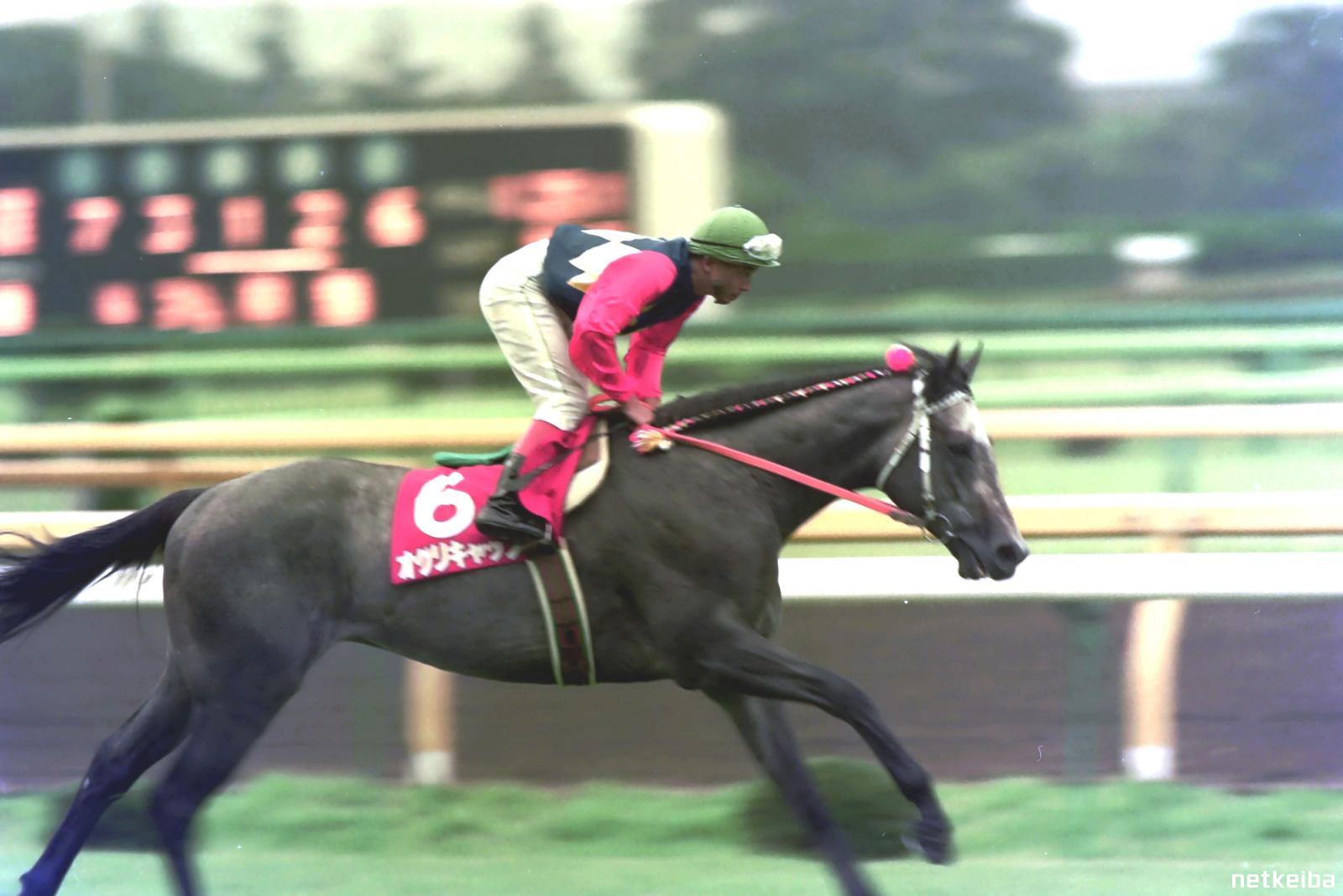
Rather than struggling after his move, Oguri Cap rapidly established himself as one of Japan's premier middle-distance horses.
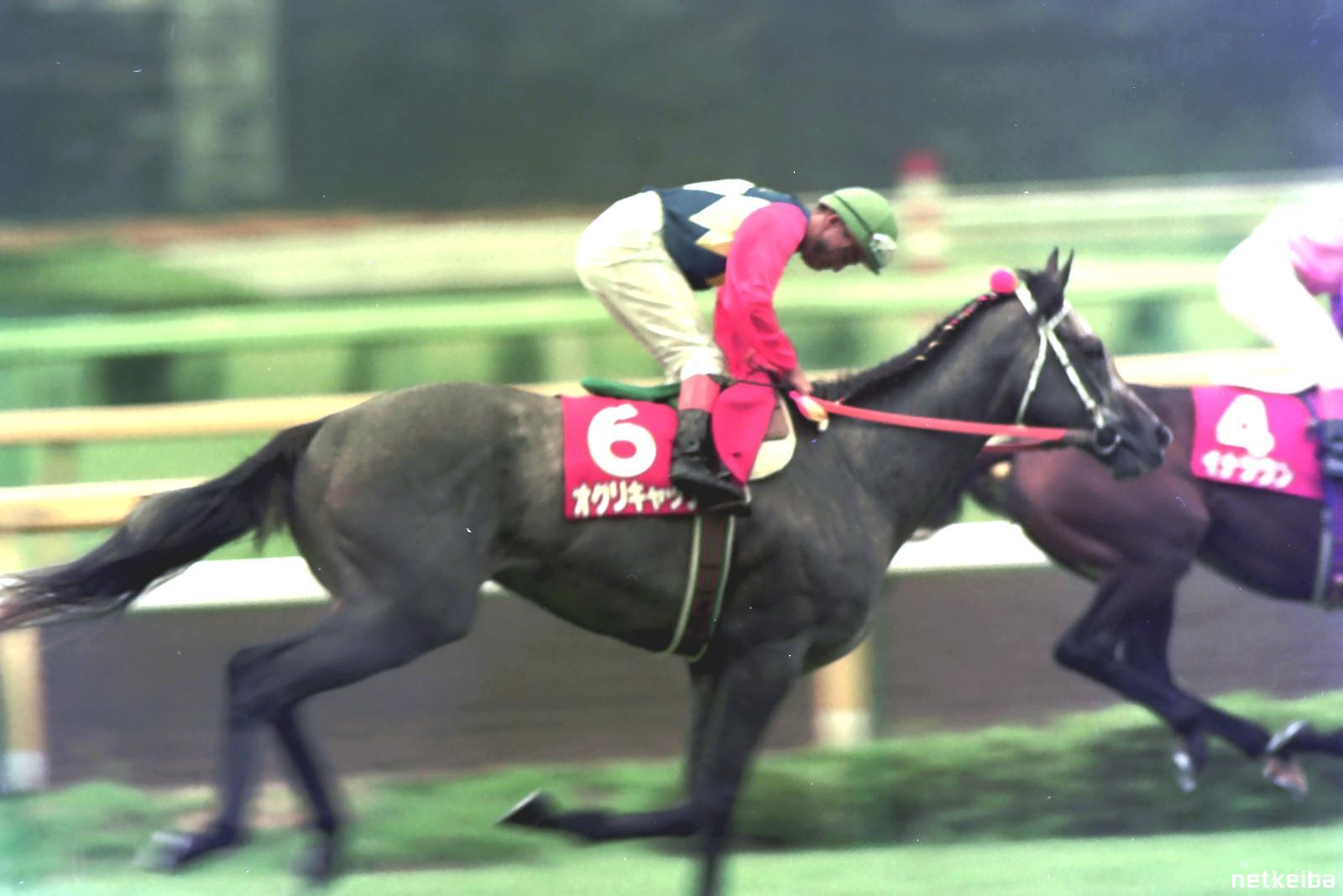
His powerful acceleration became his trademark. Often settling behind the leaders, he possessed an extraordinary ability to produce a devastating finishing burst that delighted spectators. Crowds soon began travelling simply to watch "The Grey Monster" race.
A National Phenomenon
By 1989 Oguri Cap had become more than simply a successful racehorse—he had become a cultural phenomenon.
His rivalry with horses such as Inari One, Super Creek, Yaeno Muteki, Tamamo Cross, and later Mejiro McQueen defined one of Japanese racing's greatest eras.
The rivalry with Tamamo Cross proved especially significant. Their dramatic clashes represented a changing of the guard as Oguri emerged to replace the older champion as Japan's biggest star.
That season saw him record further major victories including:
- Osaka Hai
- Mainichi Okan (second victory)
Although narrowly beaten in several major races, Oguri Cap's consistency against elite opposition only increased his popularity.
The Hero's Fall
The extraordinary schedule eventually began to take its toll.
During 1990 his performances declined noticeably. After several disappointing results, many commentators believed the great champion had reached the end of his career.
Fans who had followed him from his humble beginnings watched sadly as the once-dominant grey struggled against younger rivals.
Many expected retirement before the end of the year.
The Miracle at Arima Kinen
Instead, Oguri Cap produced one of the greatest farewell performances in racing history.
Entering the 1990 Arima Kinen (GI), he was widely dismissed. Having finished poorly in his previous races, bookmakers installed him as only the fourth favourite.
His opponents included many of Japan's newest stars, while much of the media viewed the race as the symbolic passing of the torch.
What happened instead became one of the defining moments in Japanese sporting history.
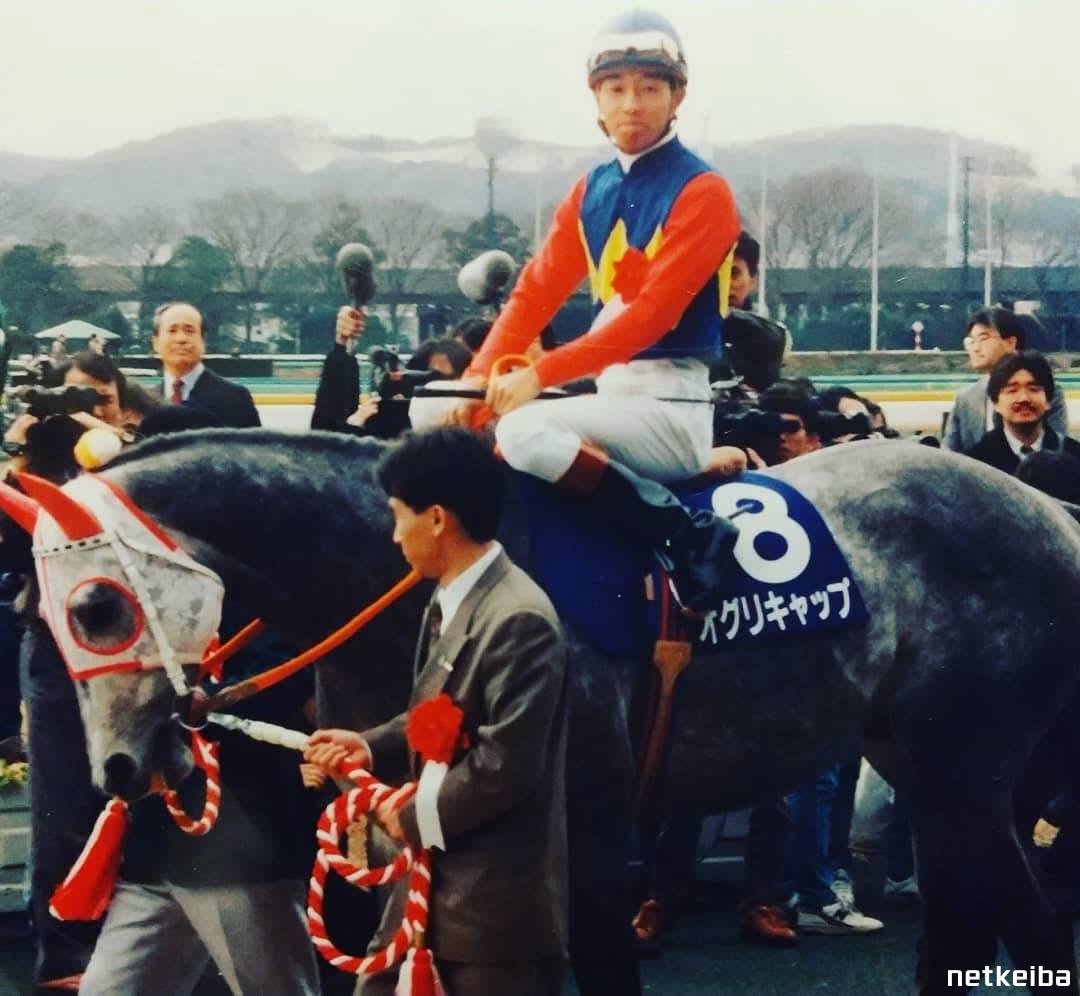
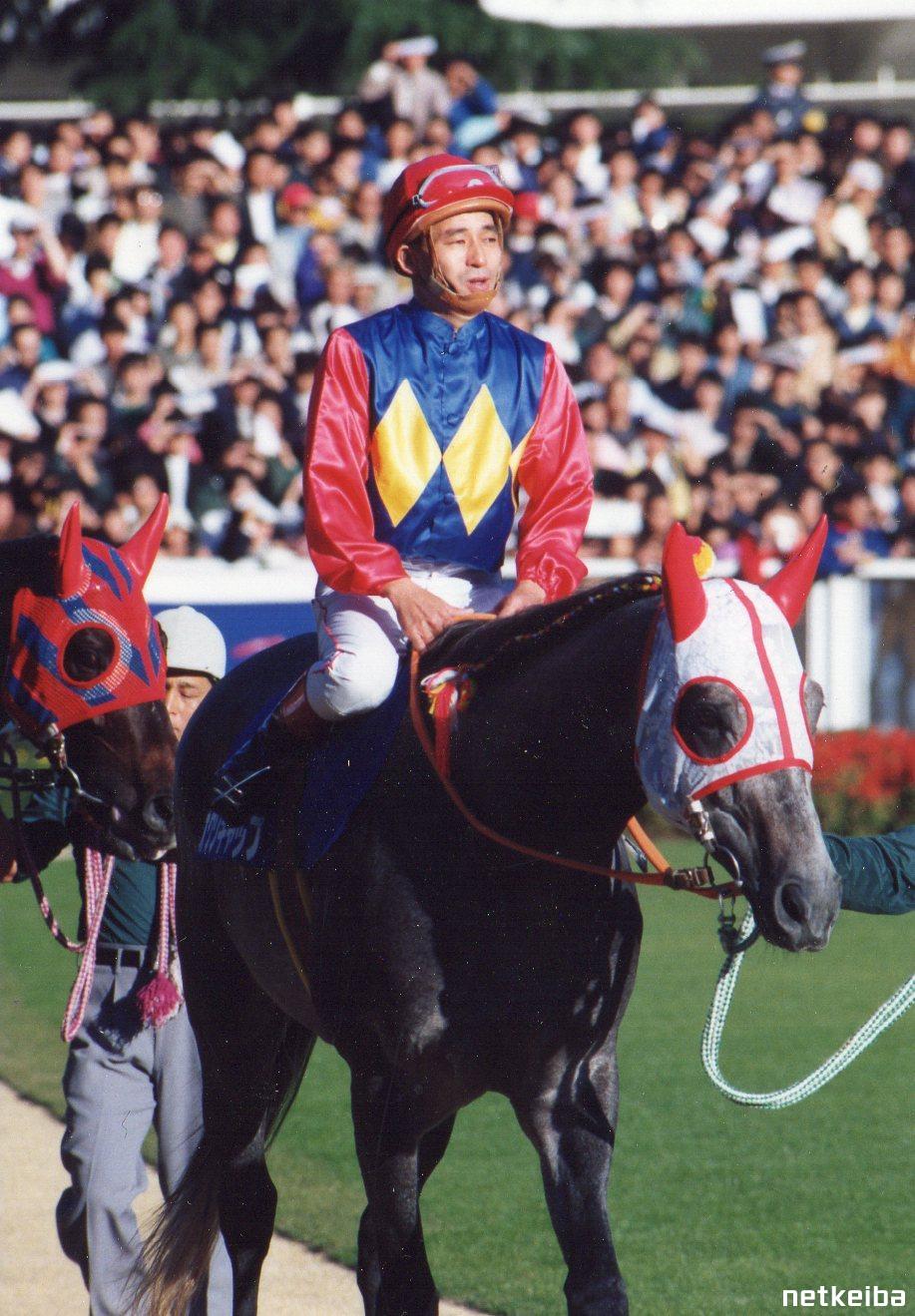
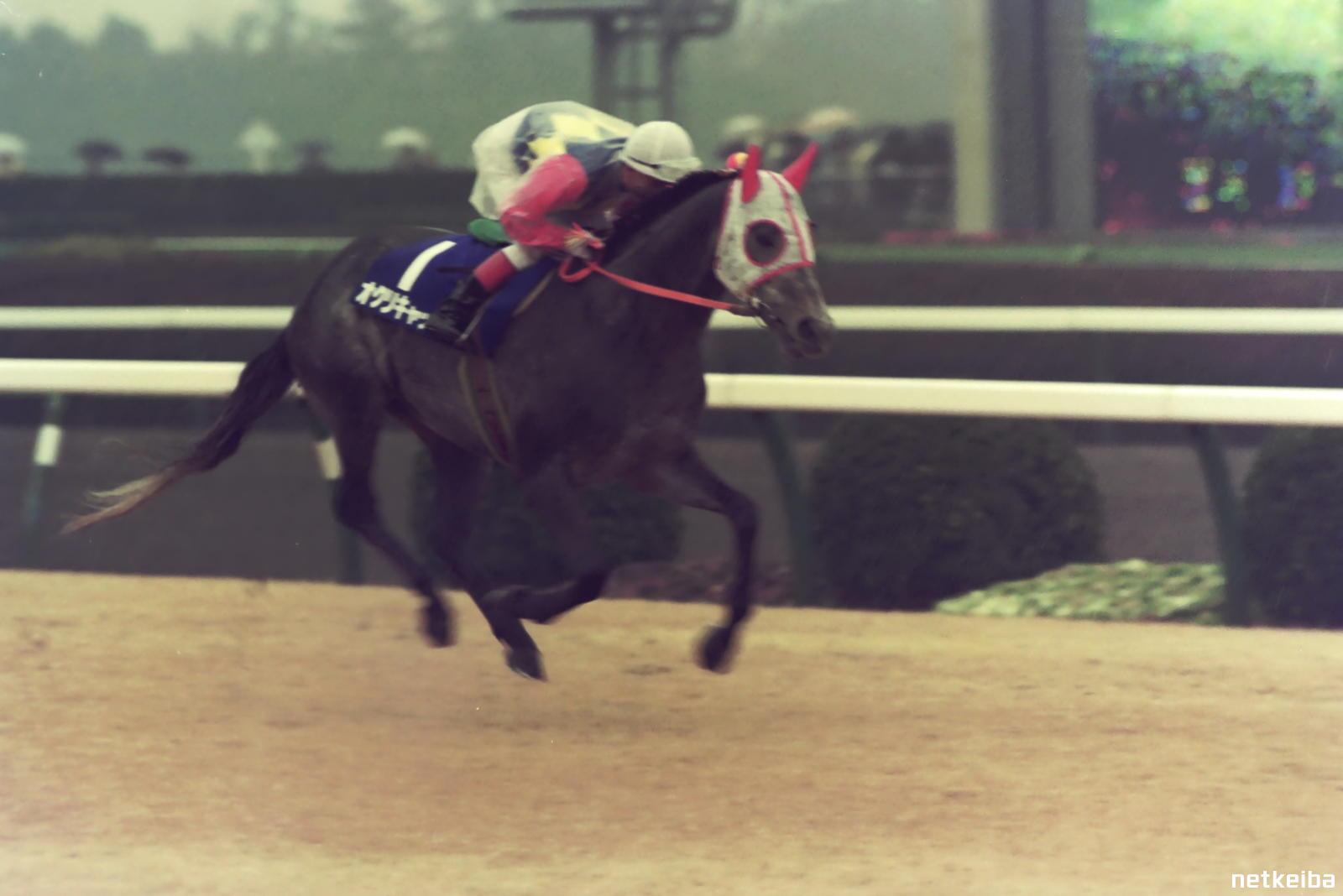
Under jockey Yutaka Take, Oguri Cap travelled comfortably before unleashing one final breathtaking run in the home straight. Defying every expectation, he surged past the field to capture his fourth Grade 1 victory.
As he crossed the finish line, Nakayama Racecourse erupted.
More than 170,000 spectators chanted his name:
"Oguri! Oguri!"
The emotional roar became one of the most famous moments in Japanese racing and remains legendary today. Rather than fading quietly into retirement, Oguri Cap delivered a perfect farewell that cemented his place as one of Japan's greatest sporting heroes.
Retirement
Oguri Cap retired after the 1990 Arima Kinen with a record of:
- 32 starts
- 22 wins
- 6 seconds
- 1 third
- ¥912,518,000 in prize money
He stood at stud following retirement but never achieved the same success as a sire that he had enjoyed on the racetrack. Nevertheless, his influence extended far beyond breeding.
He became an enduring symbol of determination, perseverance, and the belief that greatness could emerge from anywhere, regardless of pedigree or expectations.
Legacy
Few horses have ever captured the imagination of the Japanese public like Oguri Cap.
His journey from a little-known regional racehorse to national superstar transformed public perceptions of regional racing and inspired countless fans. His farewell victory in the 1990 Arima Kinen is still regularly voted among the greatest moments in Japanese racing history.
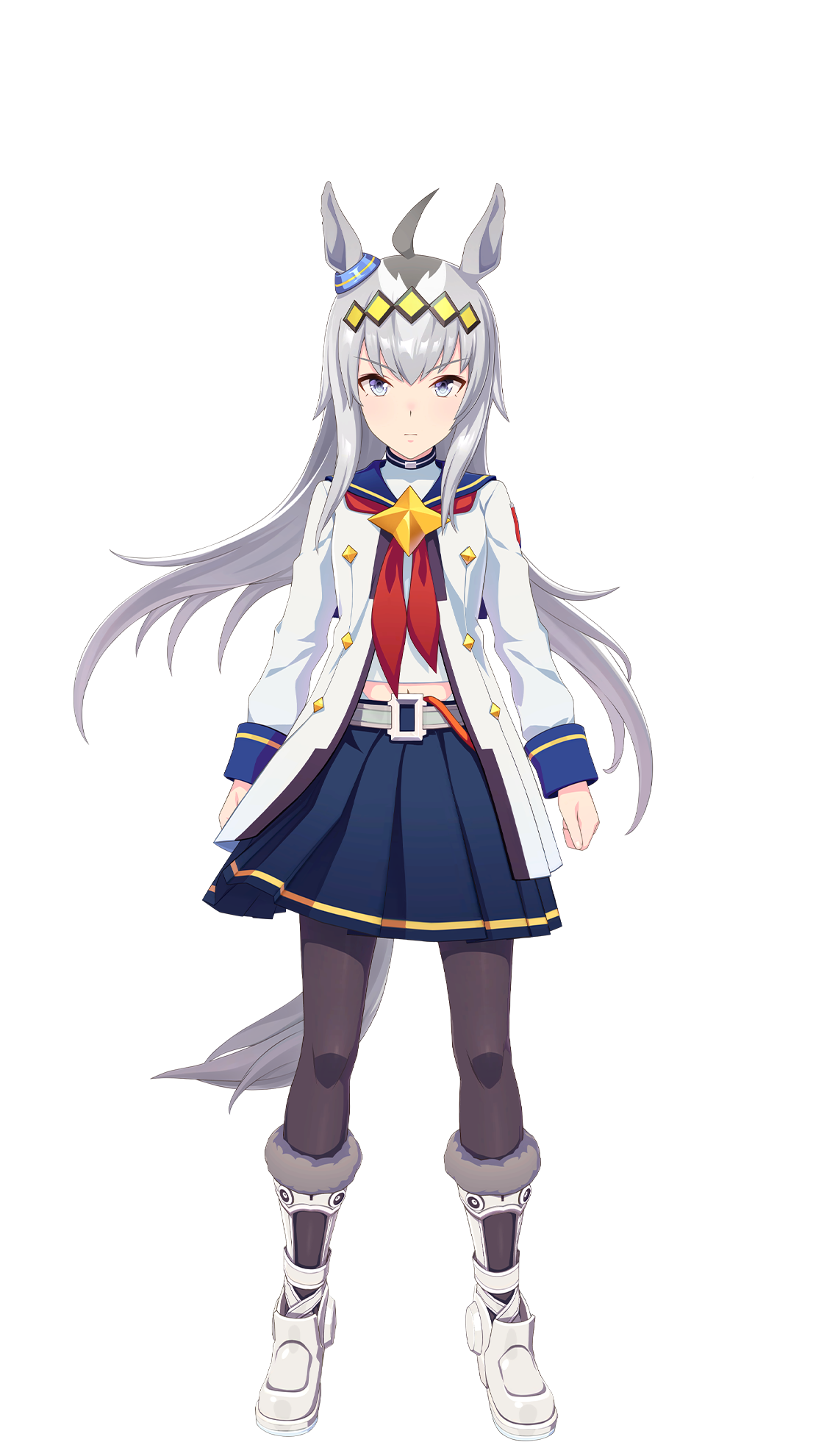
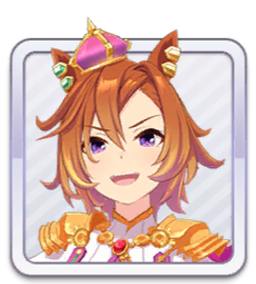
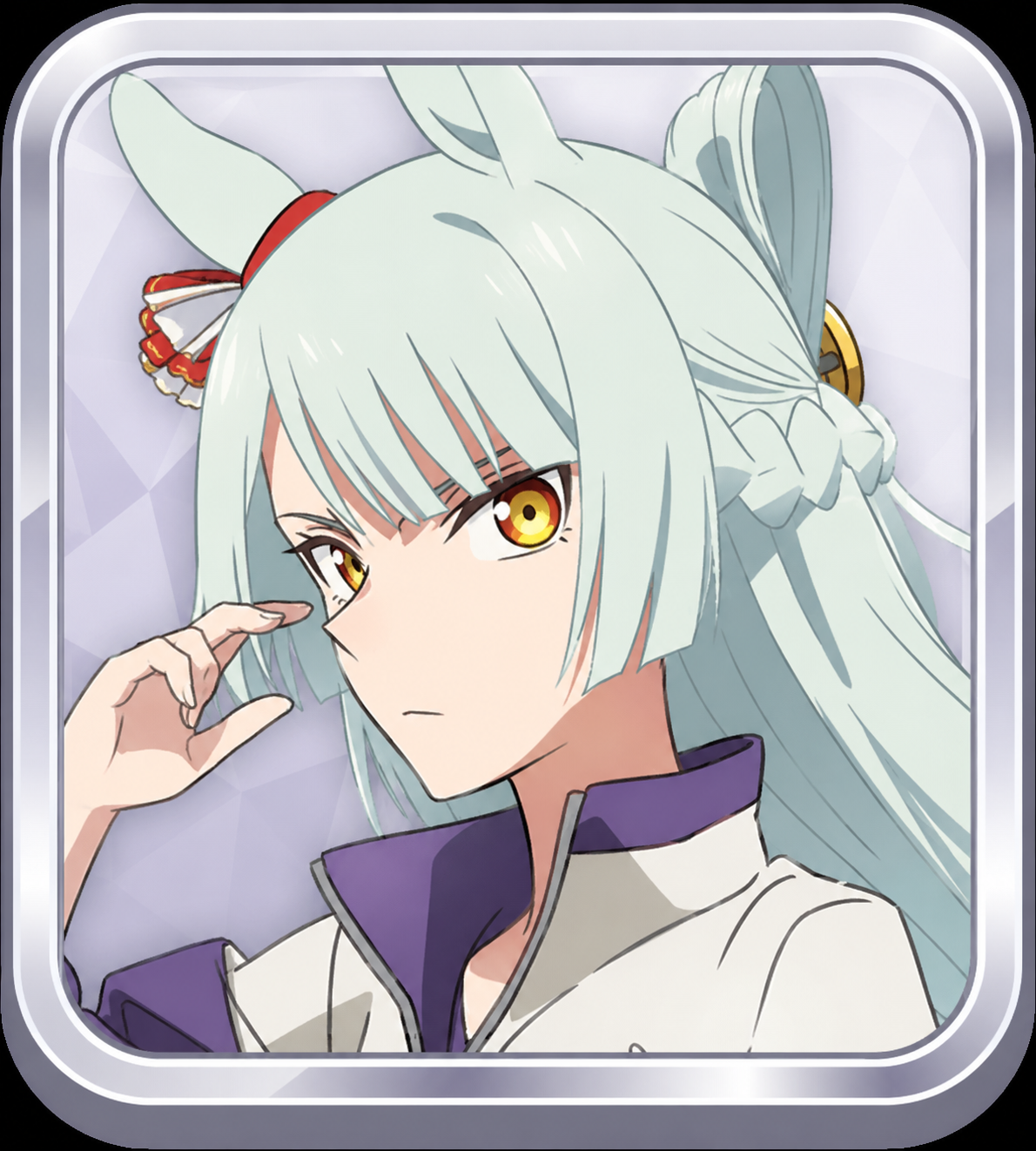
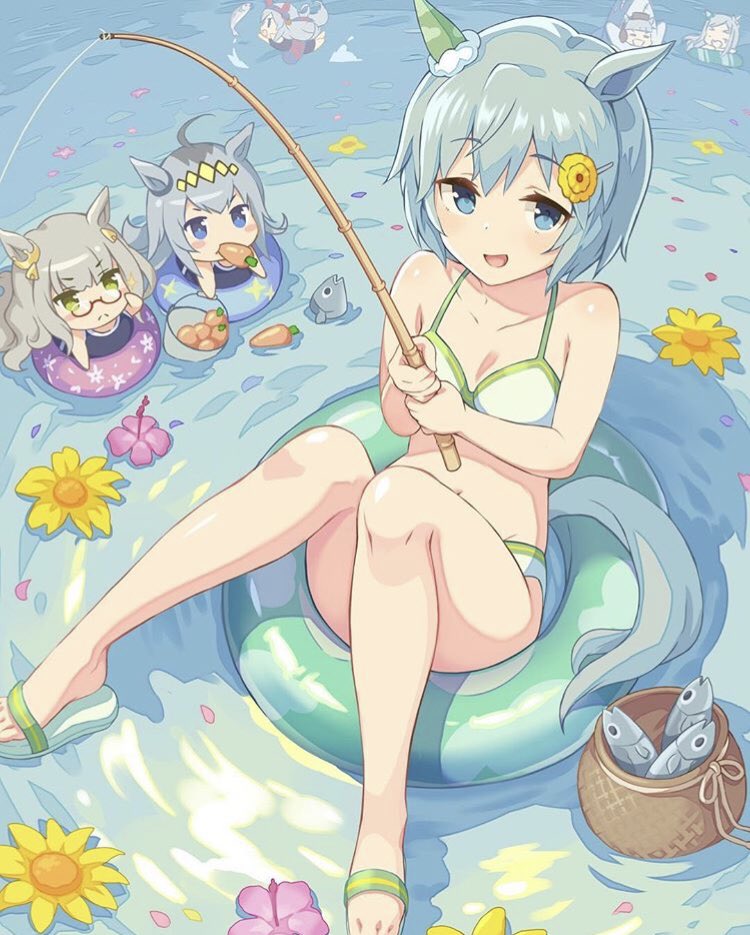
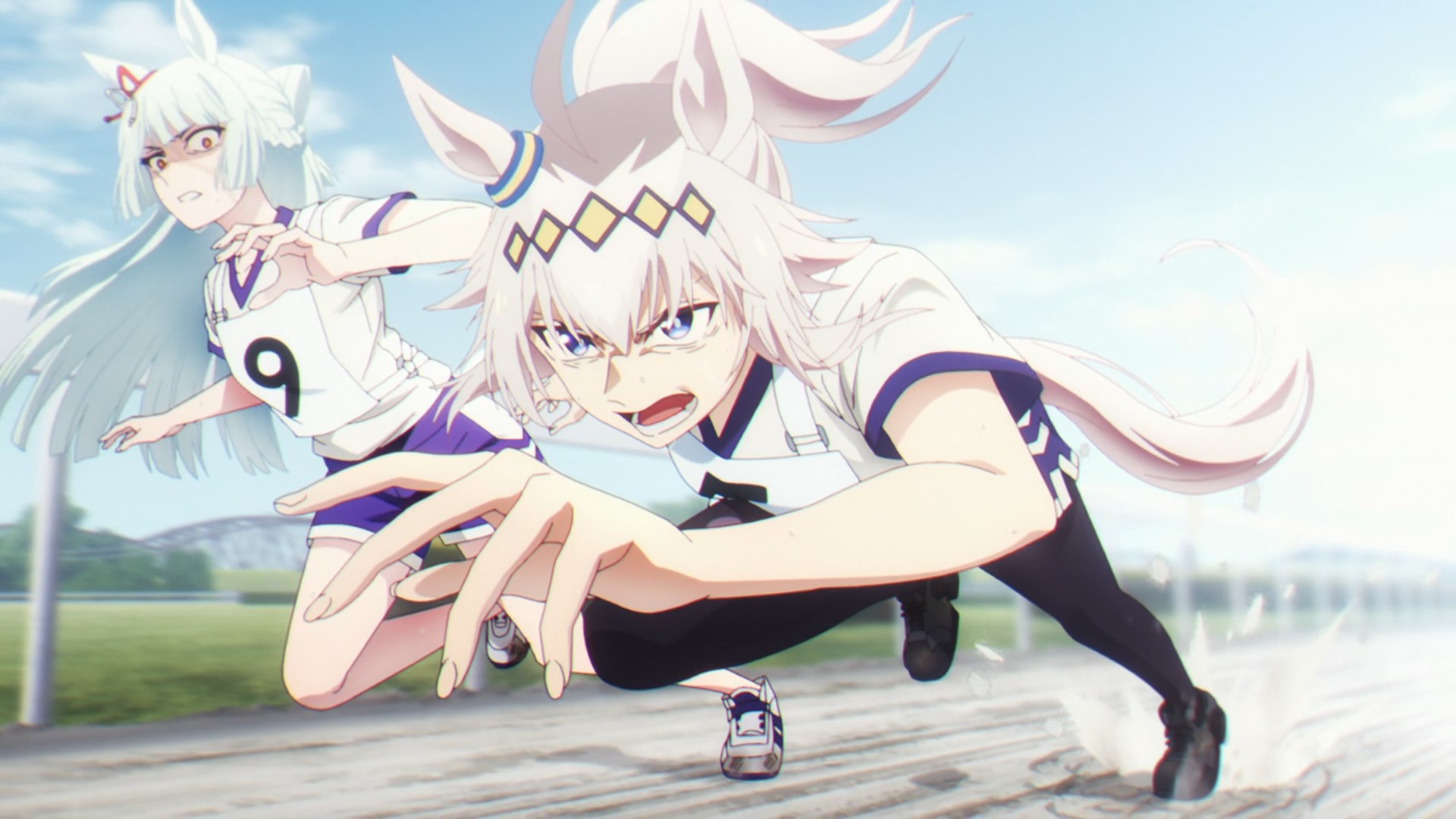
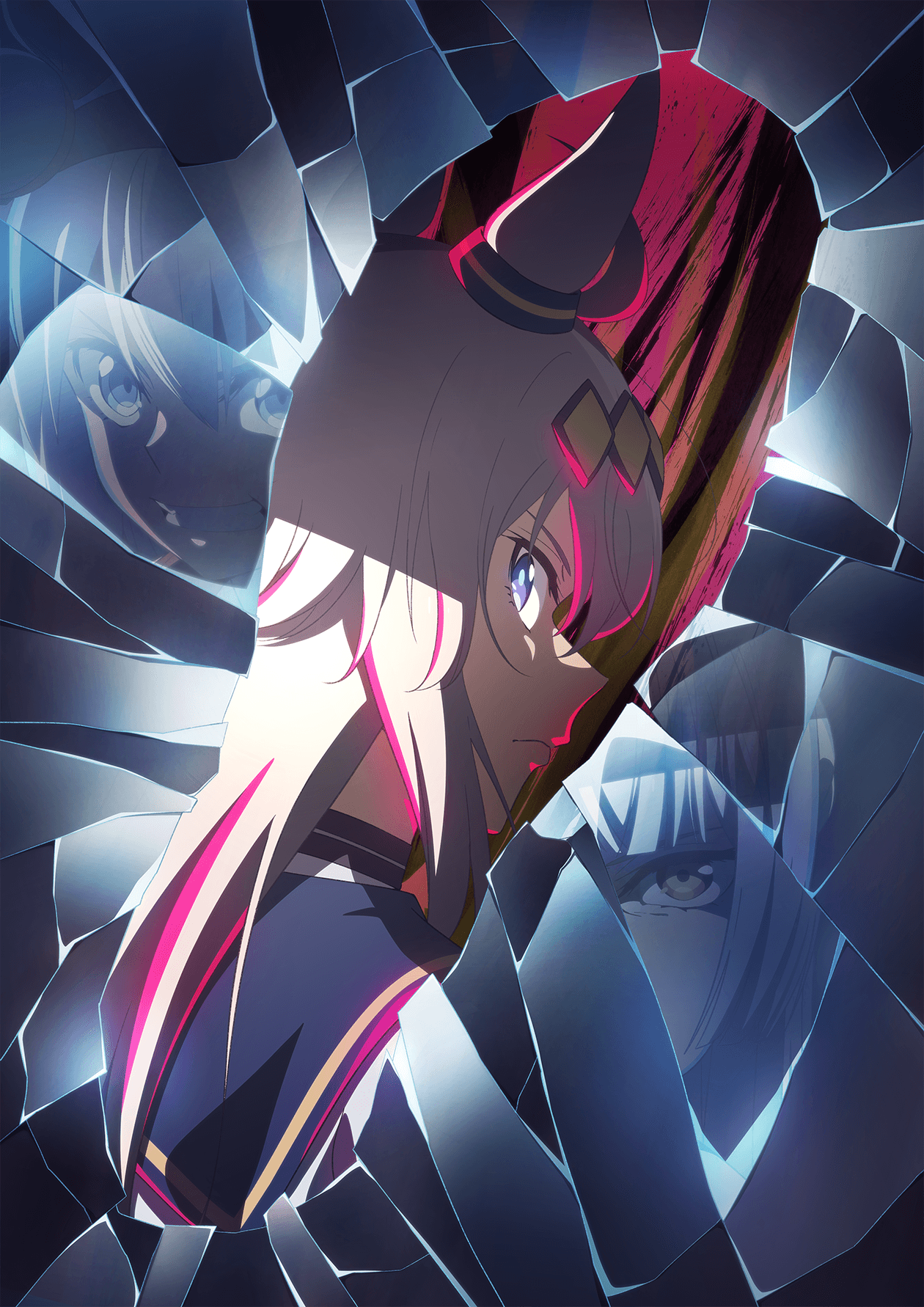
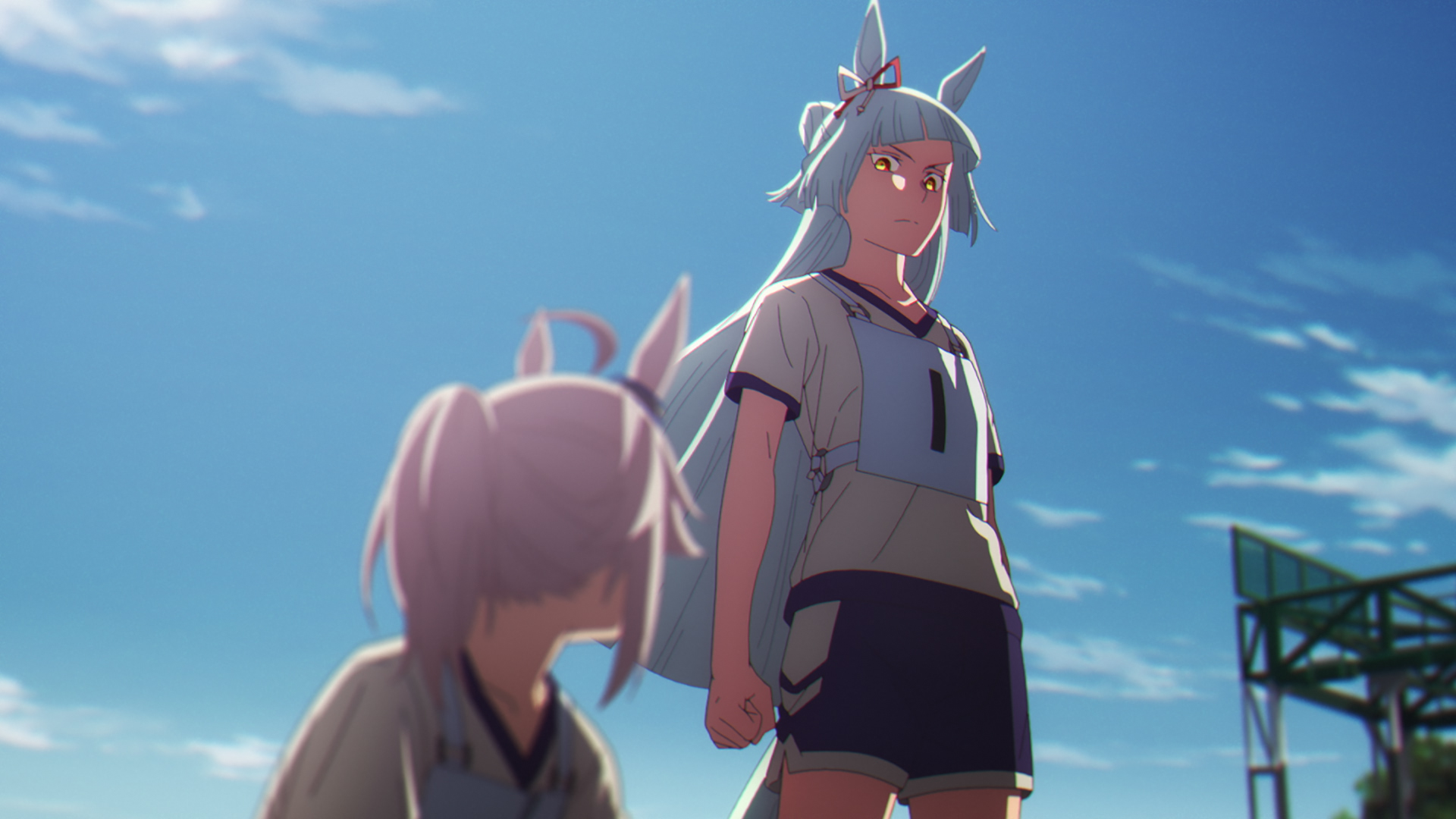
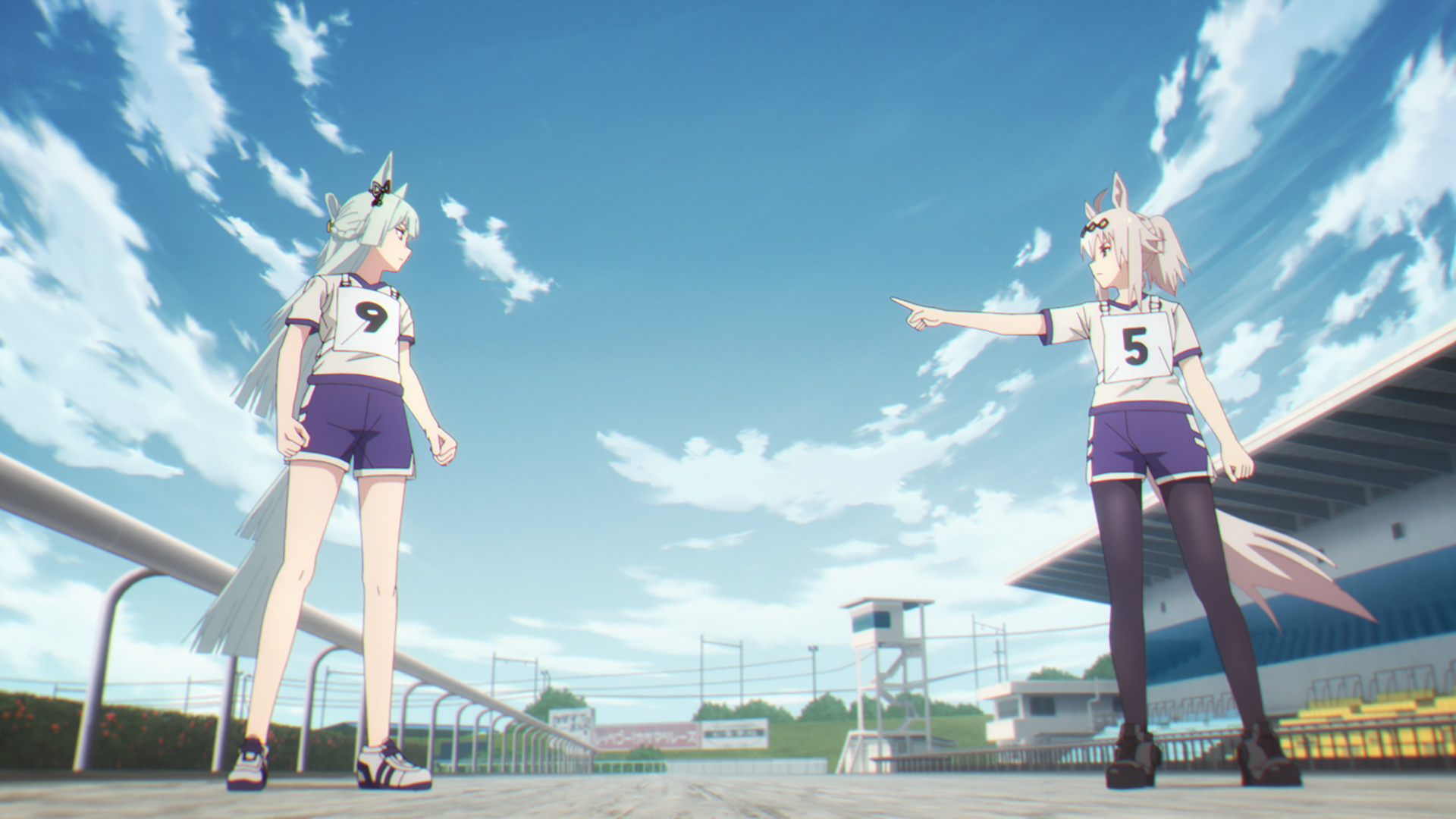
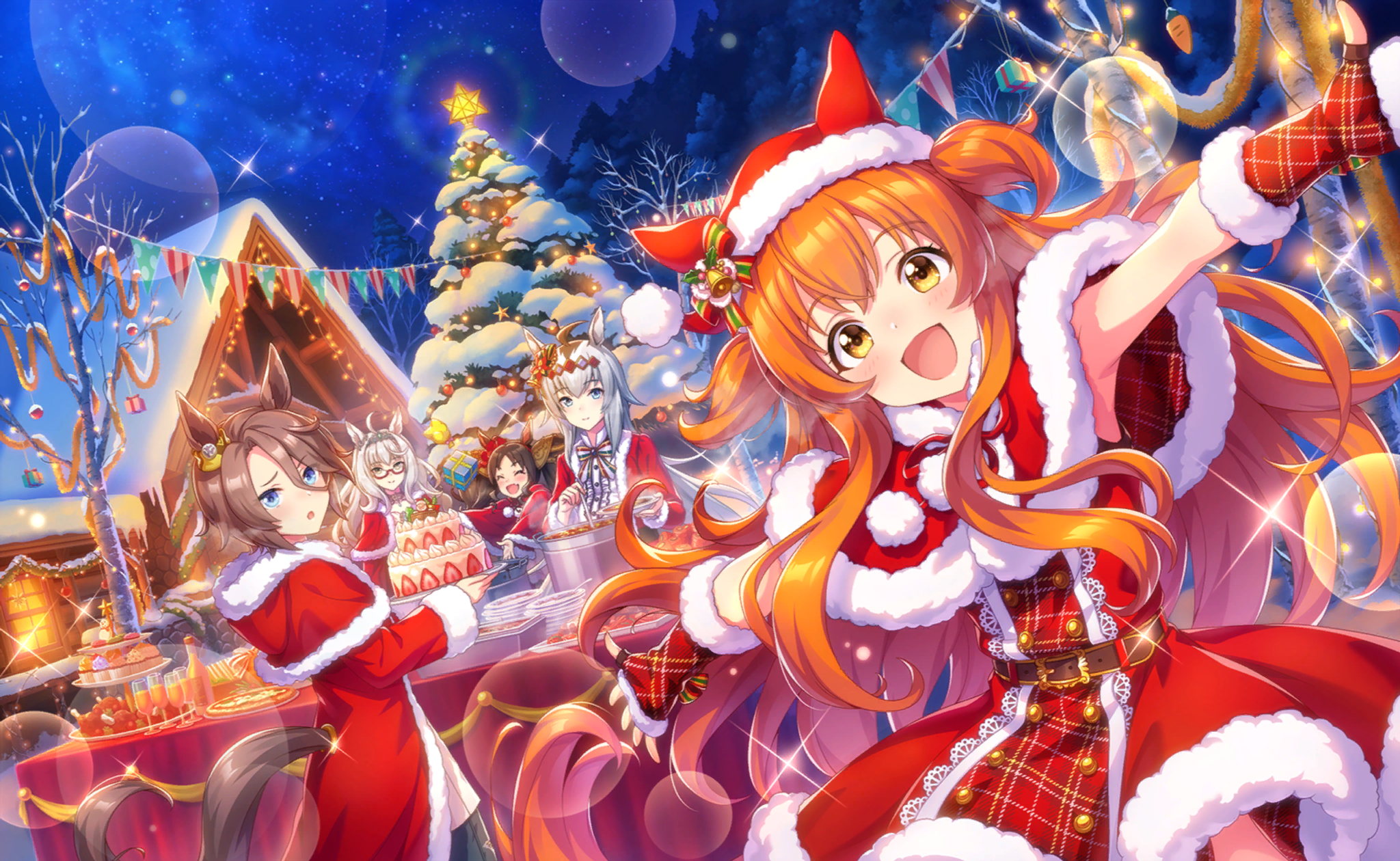
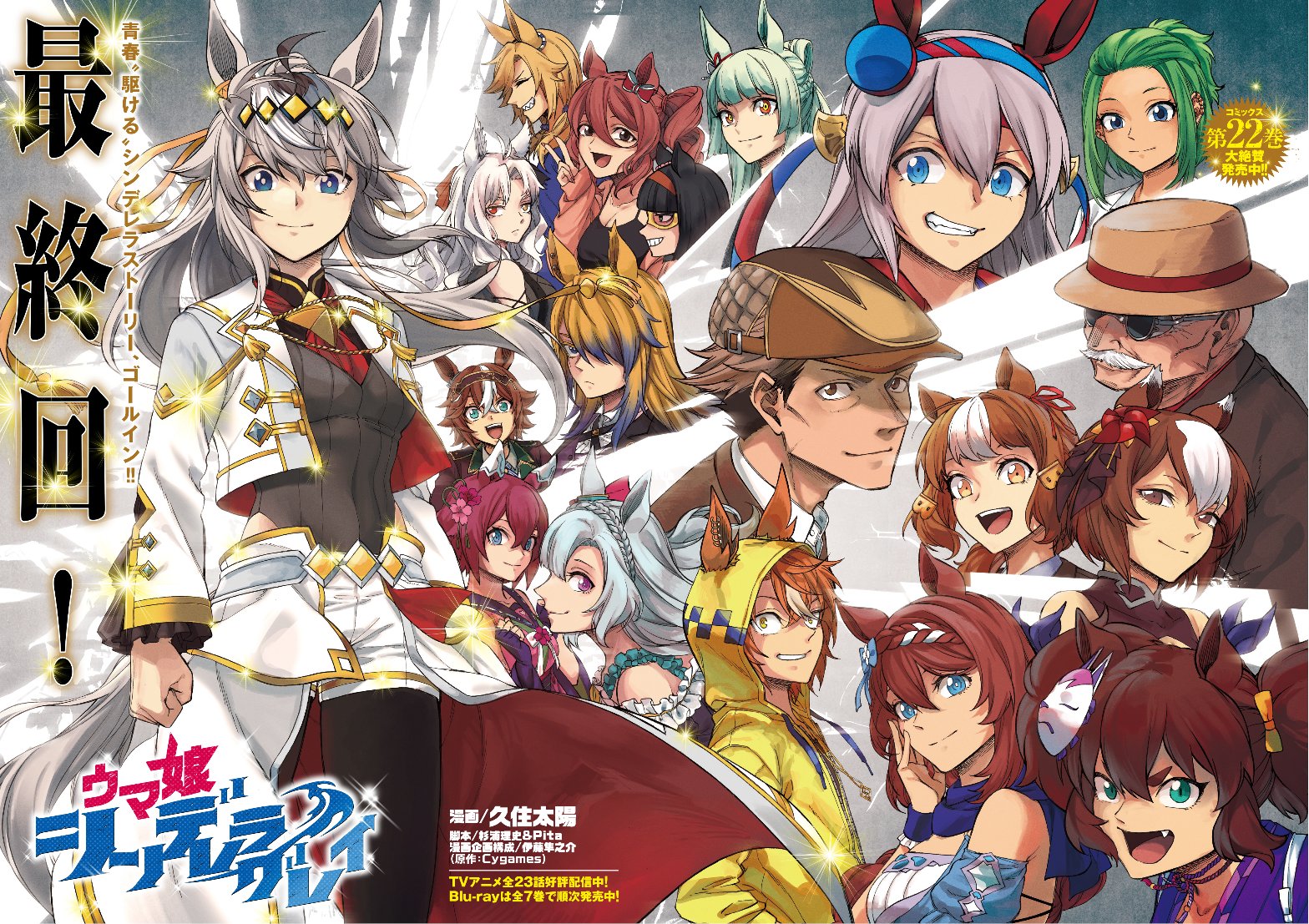
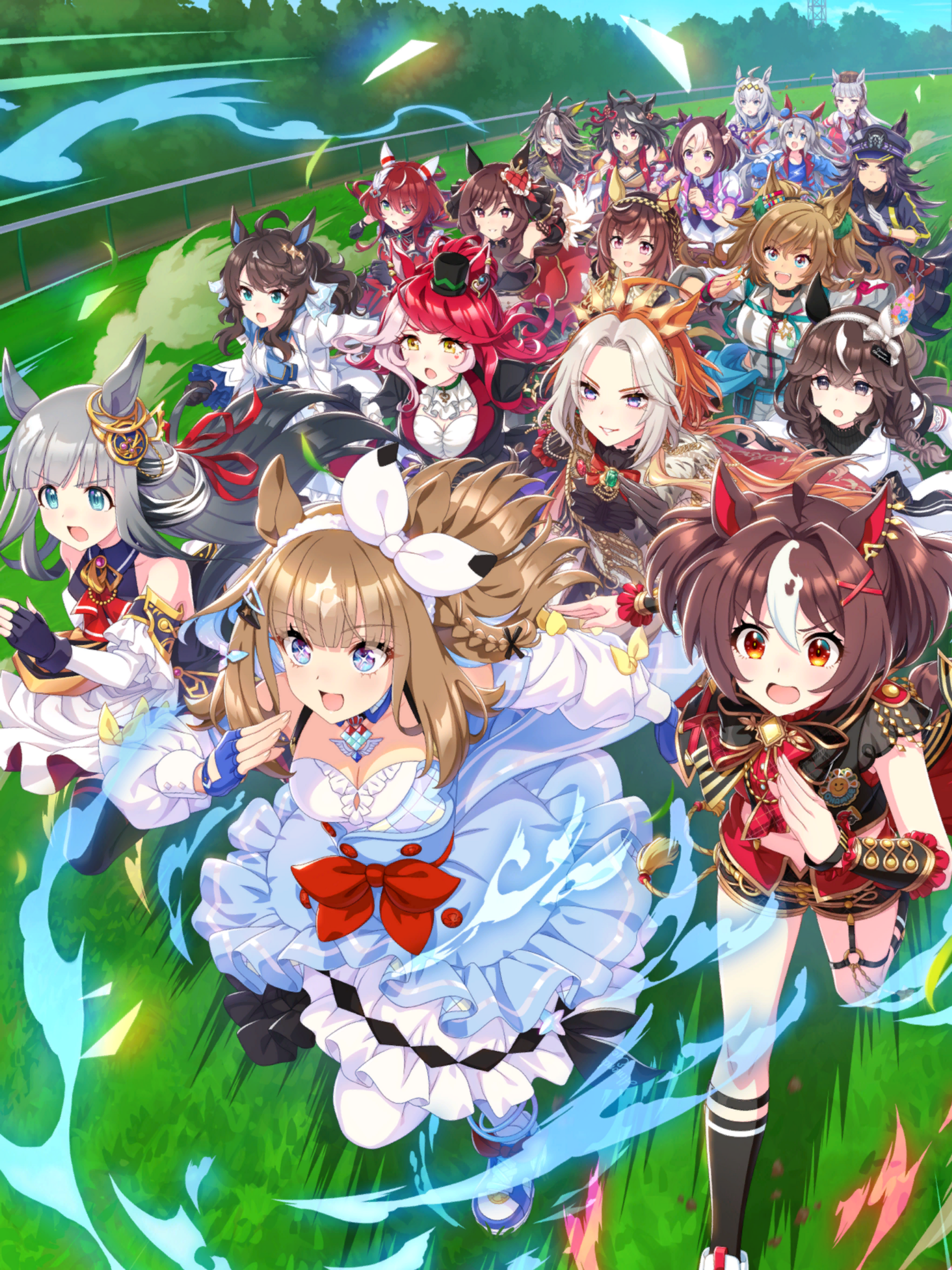
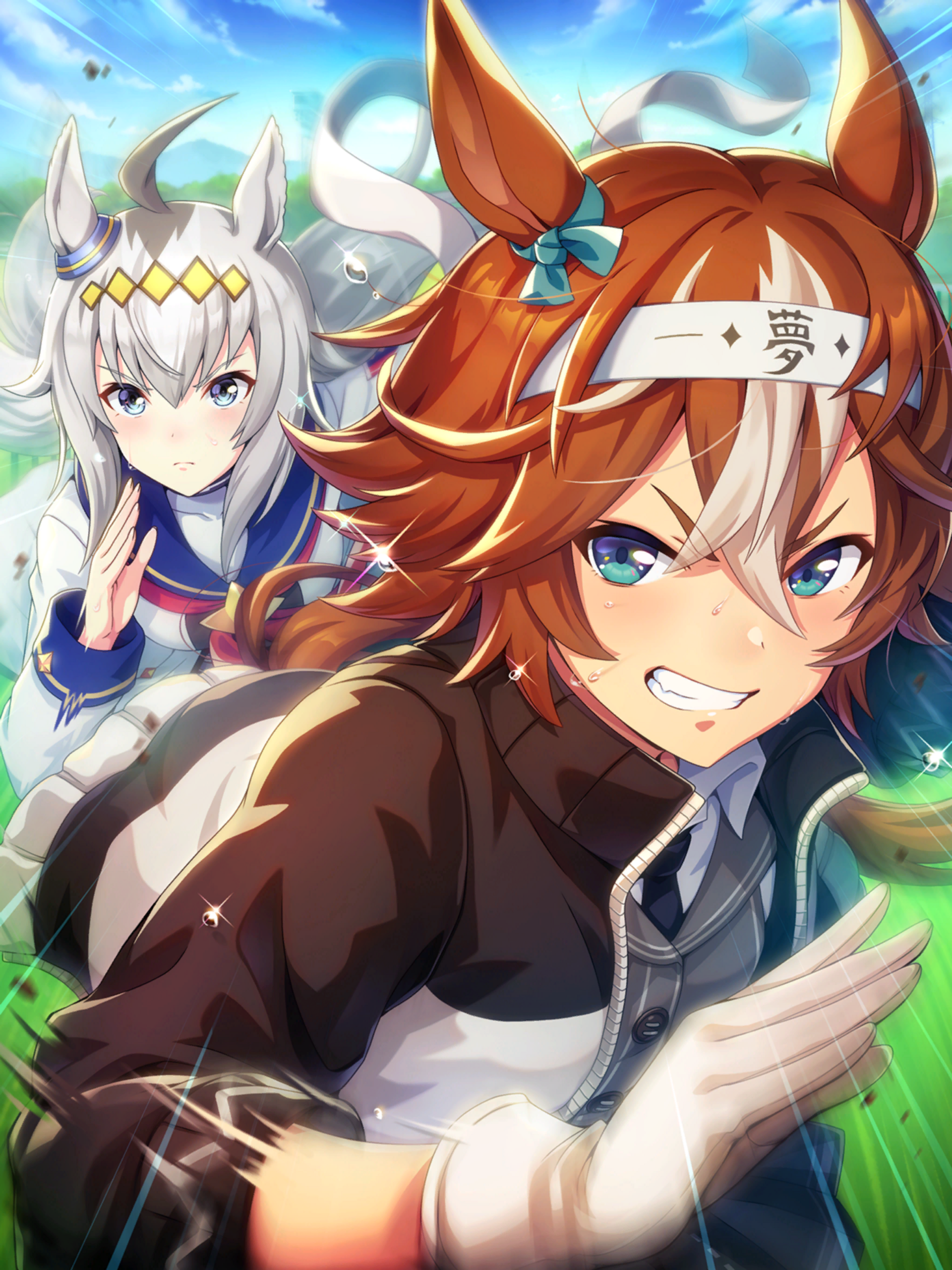
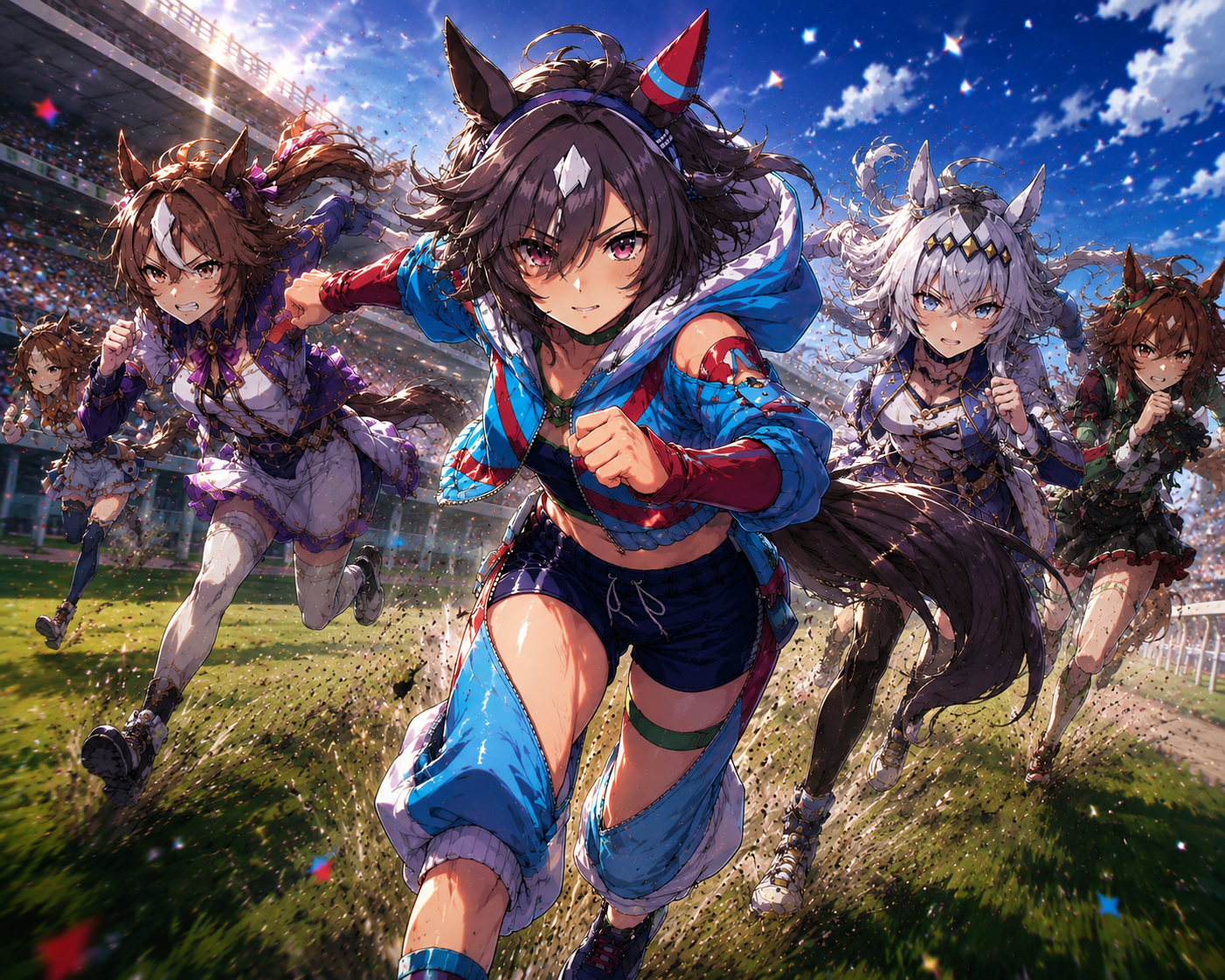
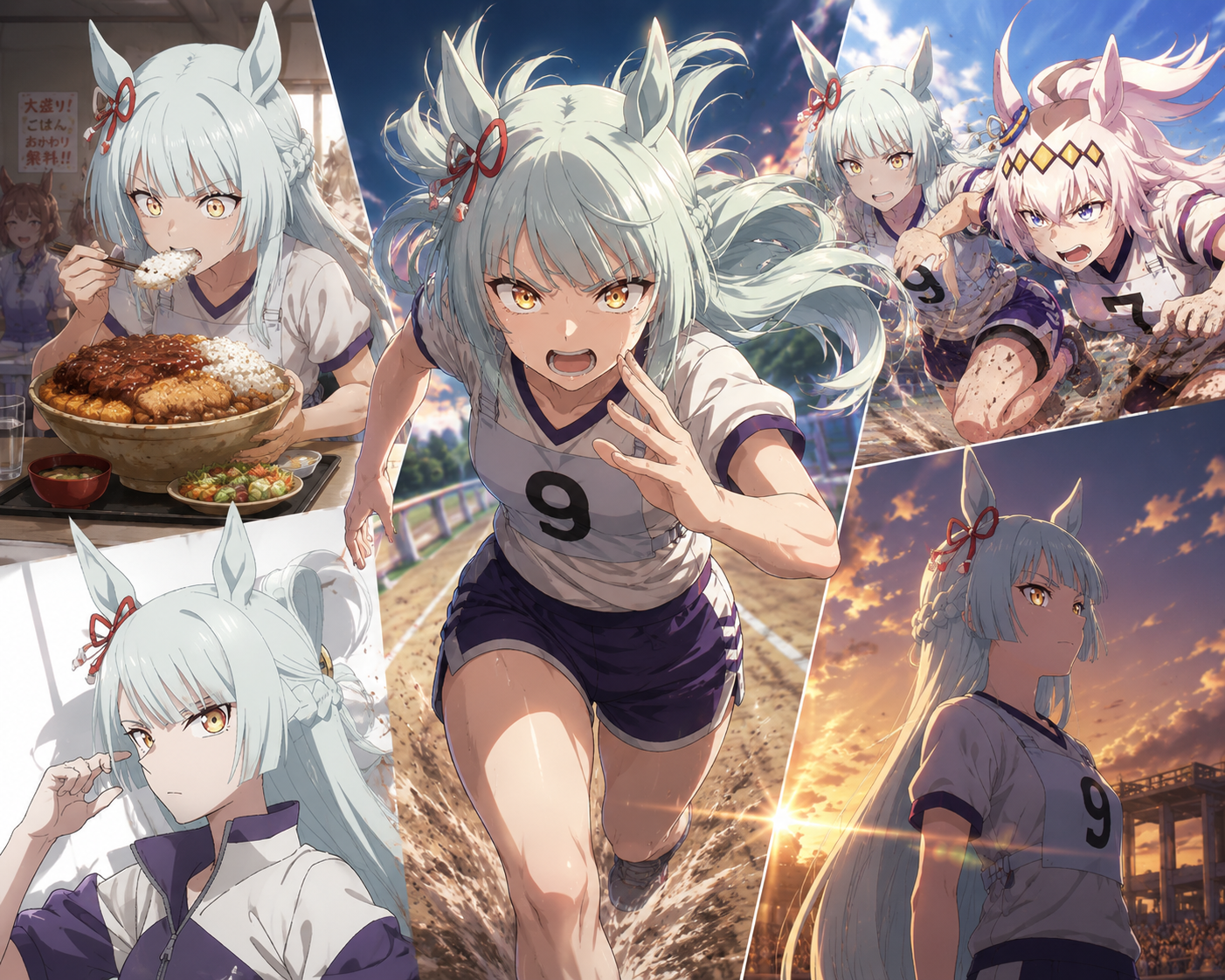
Decades later, Oguri Cap remains one of the defining legends of the sport. His life inspired numerous books, documentaries, and eventually his portrayal in Uma Musume: Pretty Derby, where his remarkable determination, enormous appetite, humble origins, and unwavering competitive spirit form the core of his character.
For many racing fans, Oguri Cap represents more than a champion—he represents the idea that extraordinary talent can emerge from the most unlikely beginnings, and that true greatness is measured not only by victories, but by the hearts won along the way.
Career Summary
- Foaled: 27 March 1985
- Died: 3 July 2010 (aged 25)
- Colour: Grey
- Sex: Stallion
- Breeder: Inaba Bokujo
- Owner: Toshihiko Kobayashi
- Regional Trainer: Yutaka Takai (Kasamatsu)
- JRA Trainer: Yoshio Shibata
- Sire: Dancing Cap
- Dam: White Narbee
- Damsire: Silver Shark
- Starts: 32
- Wins: 22
- Seconds: 6
- Thirds: 1
- Prize Money: ¥912,518,000
Major Victories
- Gold Junior (Kasamatsu)
- Chukyo Hai
- Mainichi Okan (GII) ×2
- Kyoto Daishoten (GII)
- Takamatsunomiya Hai
- Osaka Hai
- Mile Championship (GI)
- Yasuda Kinen (GI)
- Arima Kinen (GI) ×2
Notable Rivals
- Tamamo Cross
- Inari One
- Super Creek
- Yaeno Muteki
- Mejiro McQueen
Sources