Same races
Same Races
2 shared rivals

Uma profile

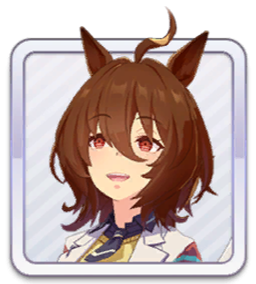
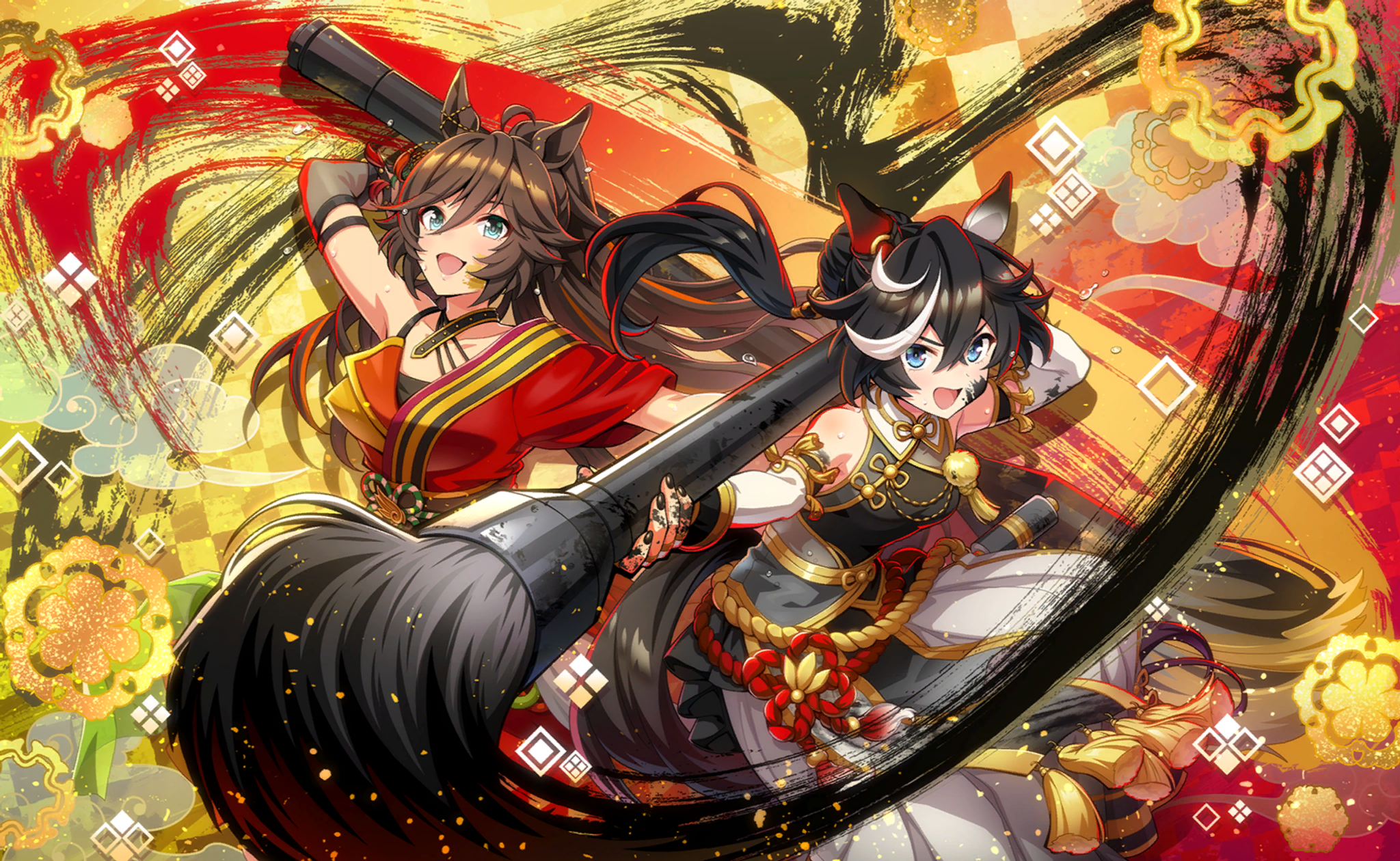
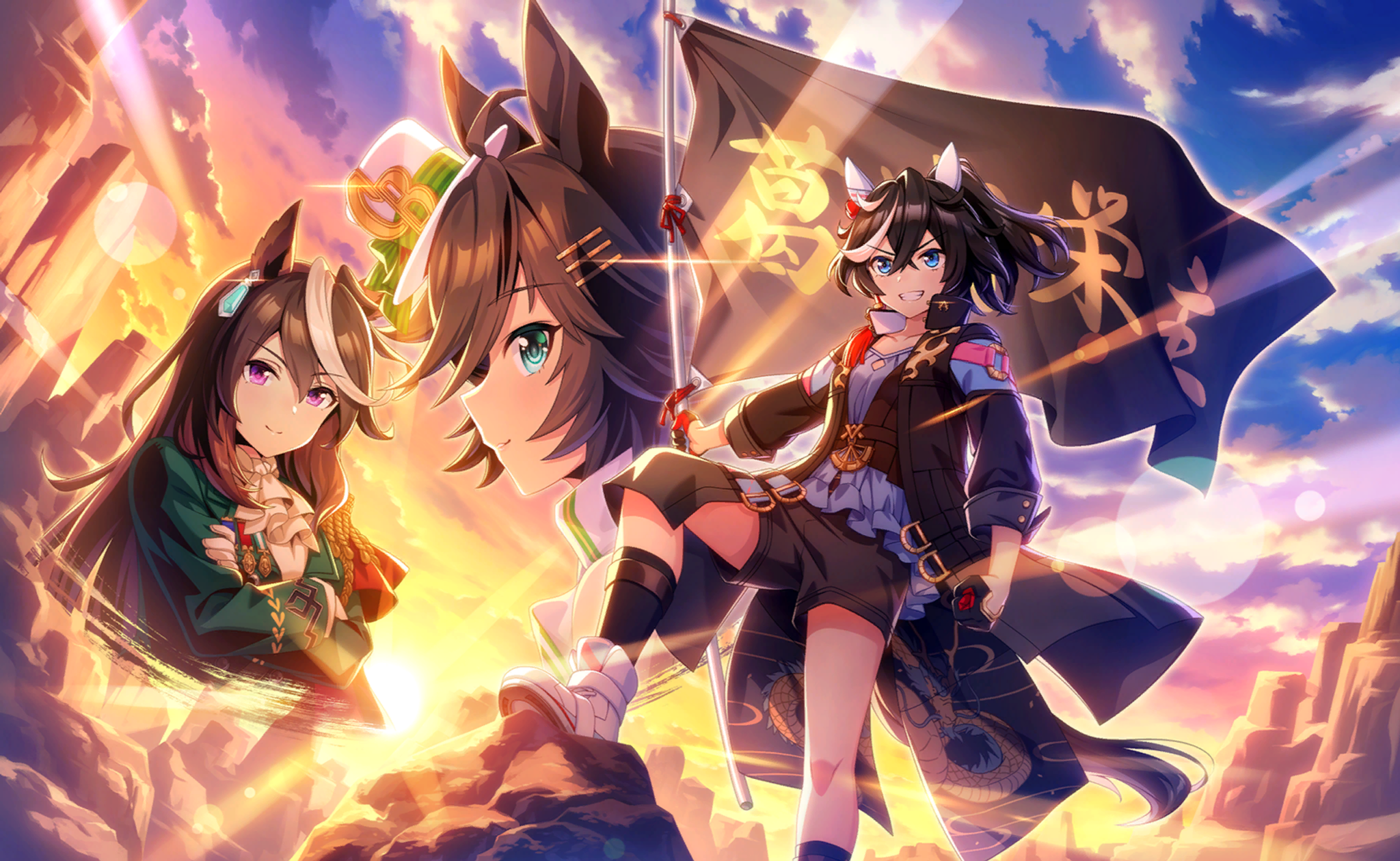
Mr. C.B., or simply C.B., carries the kind of presence that feels a little hard to pin down until she starts running. Officially, she is a Senior Division Umamusume known as the “Director of Turf,” but that lofty title sits on someone whose charm is less stiff grandeur and more bright, untamed wind. She’s described as cheerful and free-spirited, a girl who loves the freedom of racing itself. That carefree air, though, comes with real steel underneath: C.B. is stubborn, and if something does not sit right with her, she simply will not go along with it.
That contradiction is part of what makes her memorable. She is presented as a talented runner with a mysterious charisma, someone drawn to wild, unconventional racing rather than neat, orderly expectations. Even her own rule for life sounds like a manifesto for motion: if something seems interesting, commit to it fully. It fits the way she talks about the track too. Her pre-race thought lingers on the starting line as a singular view to be savored, and her introductory image of racing is all breeze and tailwind—light, clear, liberating. When she calls herself Atashi and addresses her trainer as Kimi, the overall impression is casual and open, but never bland.
Visually, Mr. C.B. is just as distinctive. She has long flowing hair, wild spiky bangs and locks, an ahoge, and three hair clips, with blue eyes and a small white “CB” hat trimmed in green near her right ear. Her racing look leans retro in a way that suits her legend: green and yellow, asymmetrical, and boldly stylish, with an off-shoulder jacket and flared pants. At 166 cm, living alone, she already gives off a self-contained air, and the details around her only add to that sense that she lives by her own rhythm.
That rhythm extends far beyond the track. C.B. likes writing tanka poetry, walking about, and even poker—a wonderfully eclectic trio that makes her feel both elegant and mischievous. She dislikes lining up and lies or deception, which says a lot in very few words: she resists both rigid order and anything false. Her quirks are equally unforgettable, from being able to touch her ears with her feet to frequently changing her tail treatment, being uneasy with elevators, and regularly going out to enjoy kabuki theater. Even her phone background has character: a sunrise photo she took while half asleep.
Her connections place her among striking company. Katsuragi Ace and Symboli Rudolf are both noted as friends and rivals, suggesting relationships built on both closeness and competitive fire. Mejiro Ramonu is listed as a friend, while Daiichi Ruby appears as an underclassman connection. In broader franchise appearances, Mr. C.B. shows up across anime cameos, manga including Cinderella Gray, and other media; Cinderella Gray also notes her as the third Umamusume in history to win the Triple Crown, a distinction that only sharpens her aura.
Touch fallback
Mr. C.B.Touch and smaller layouts use grouped connection cards instead of the live radar. Open any entry to follow the relationship directly.
Same races
2 shared rivals
4 total · 4 linked
2 total · 2 linked
1 profile
2 profiles
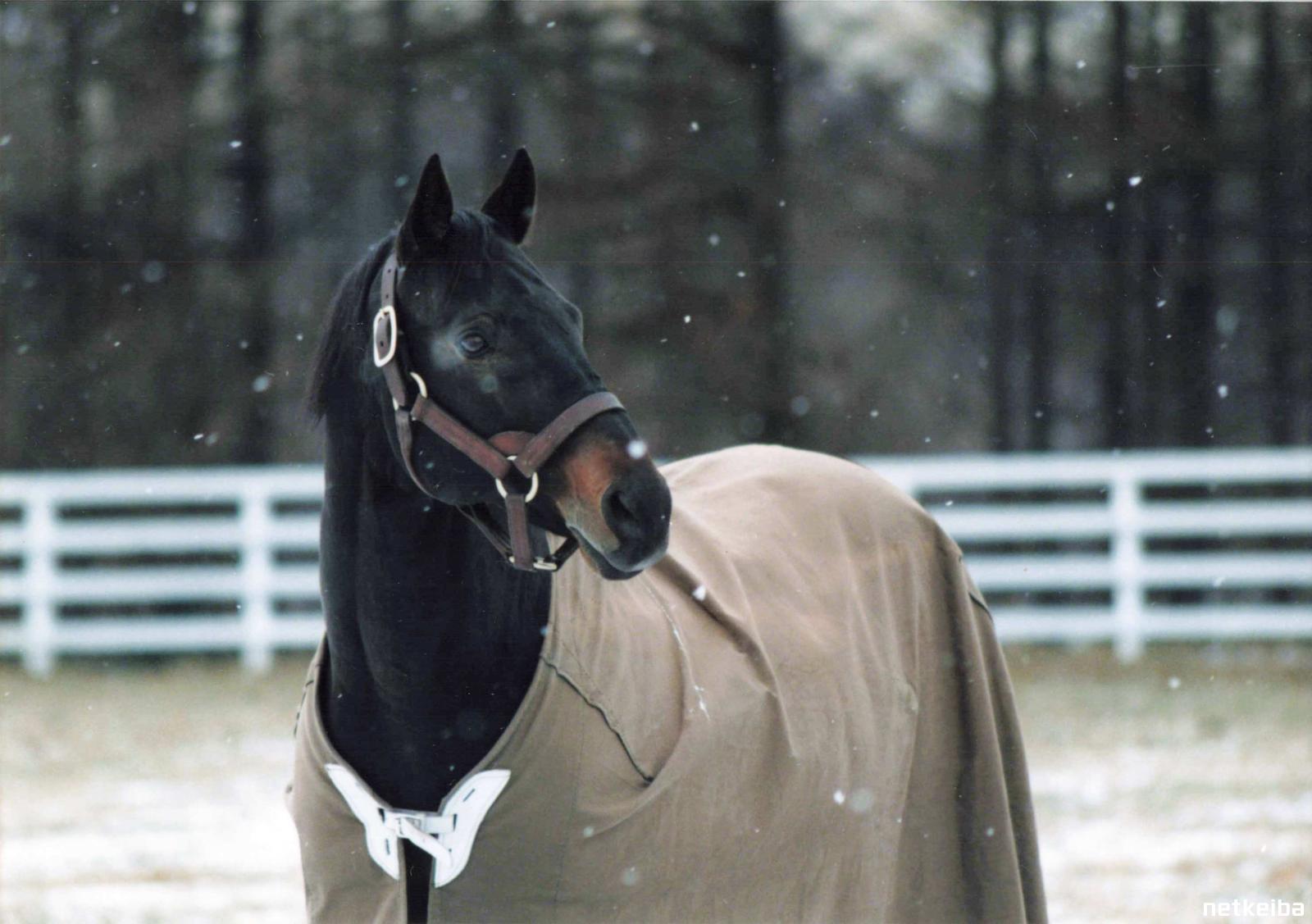
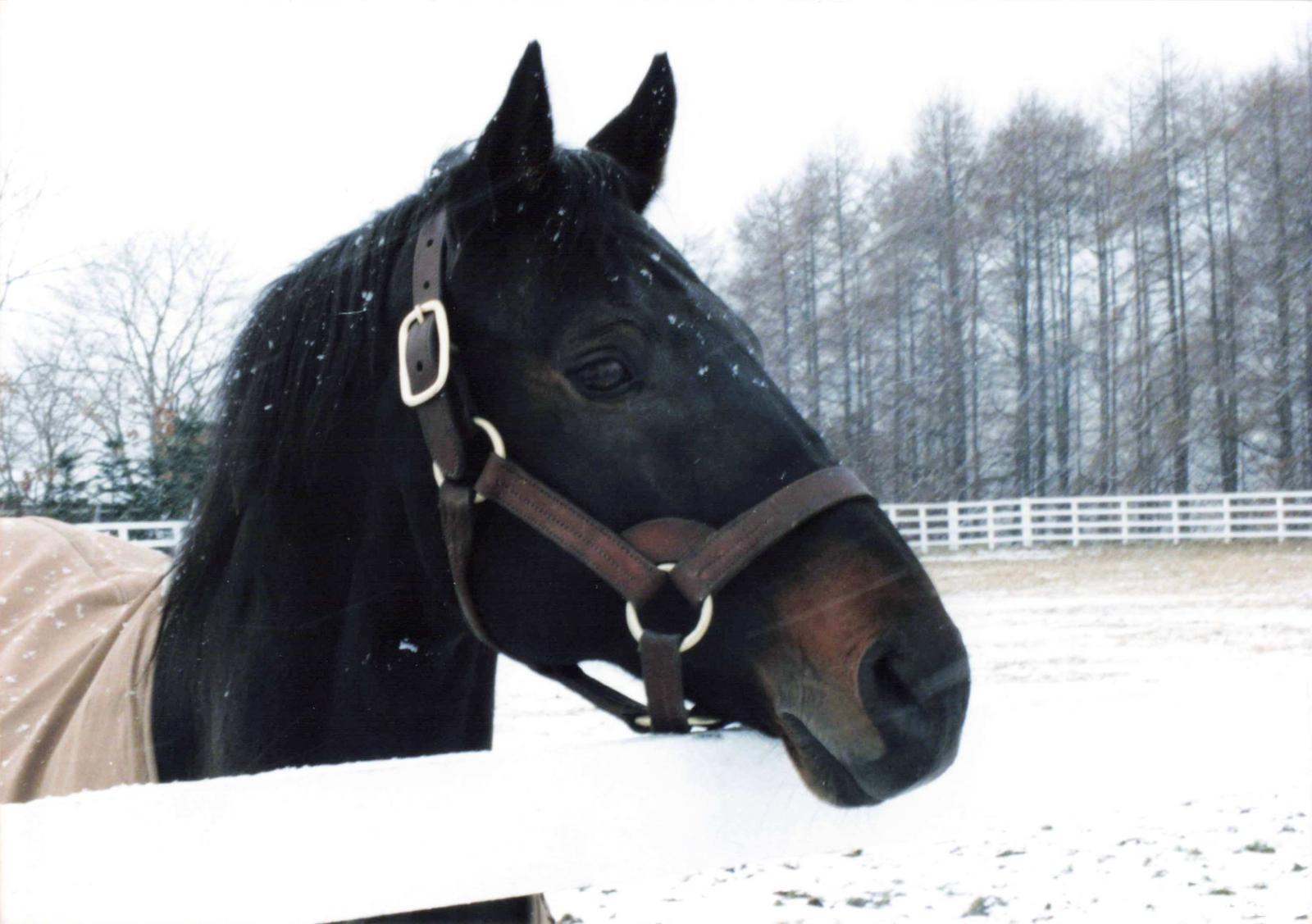
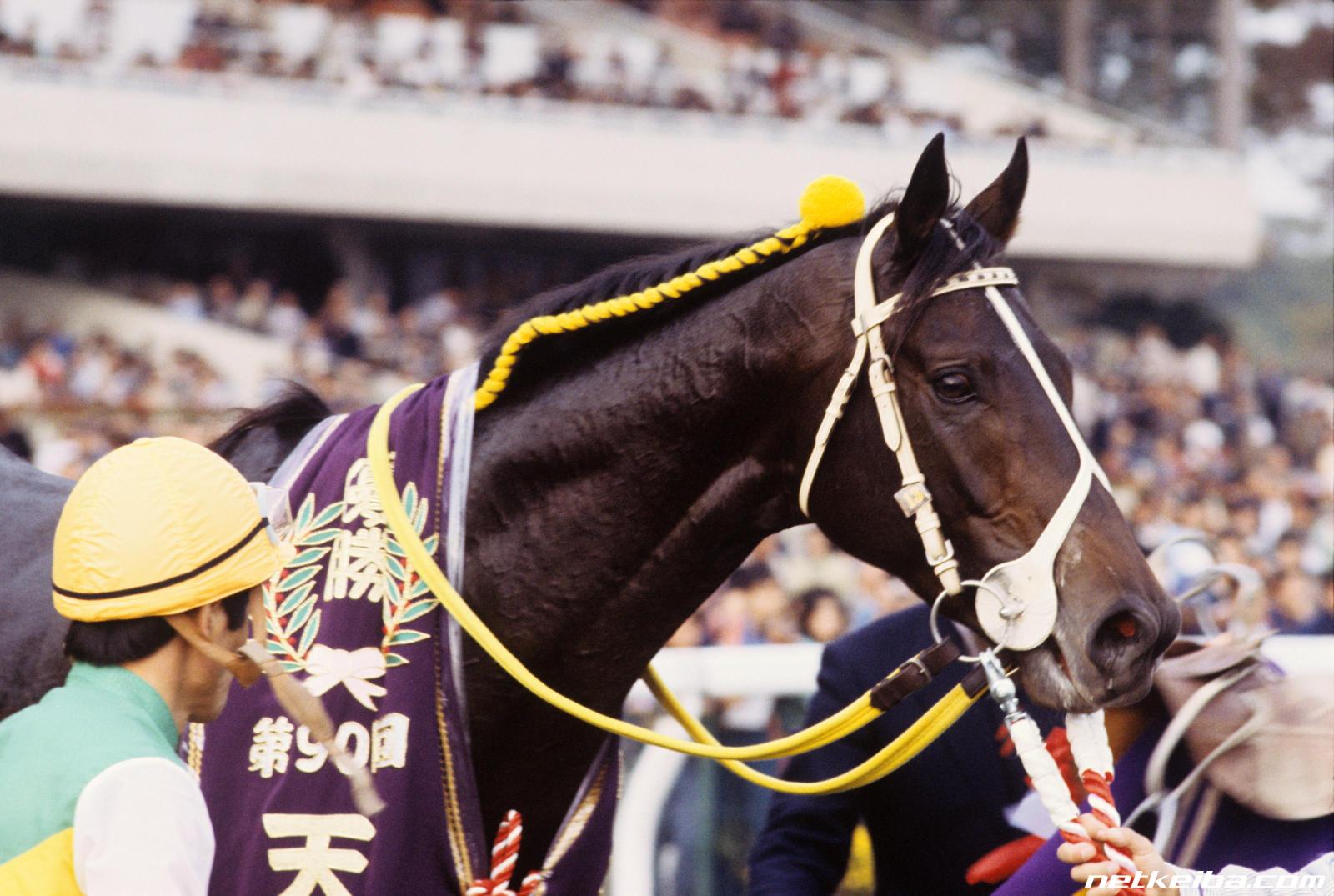
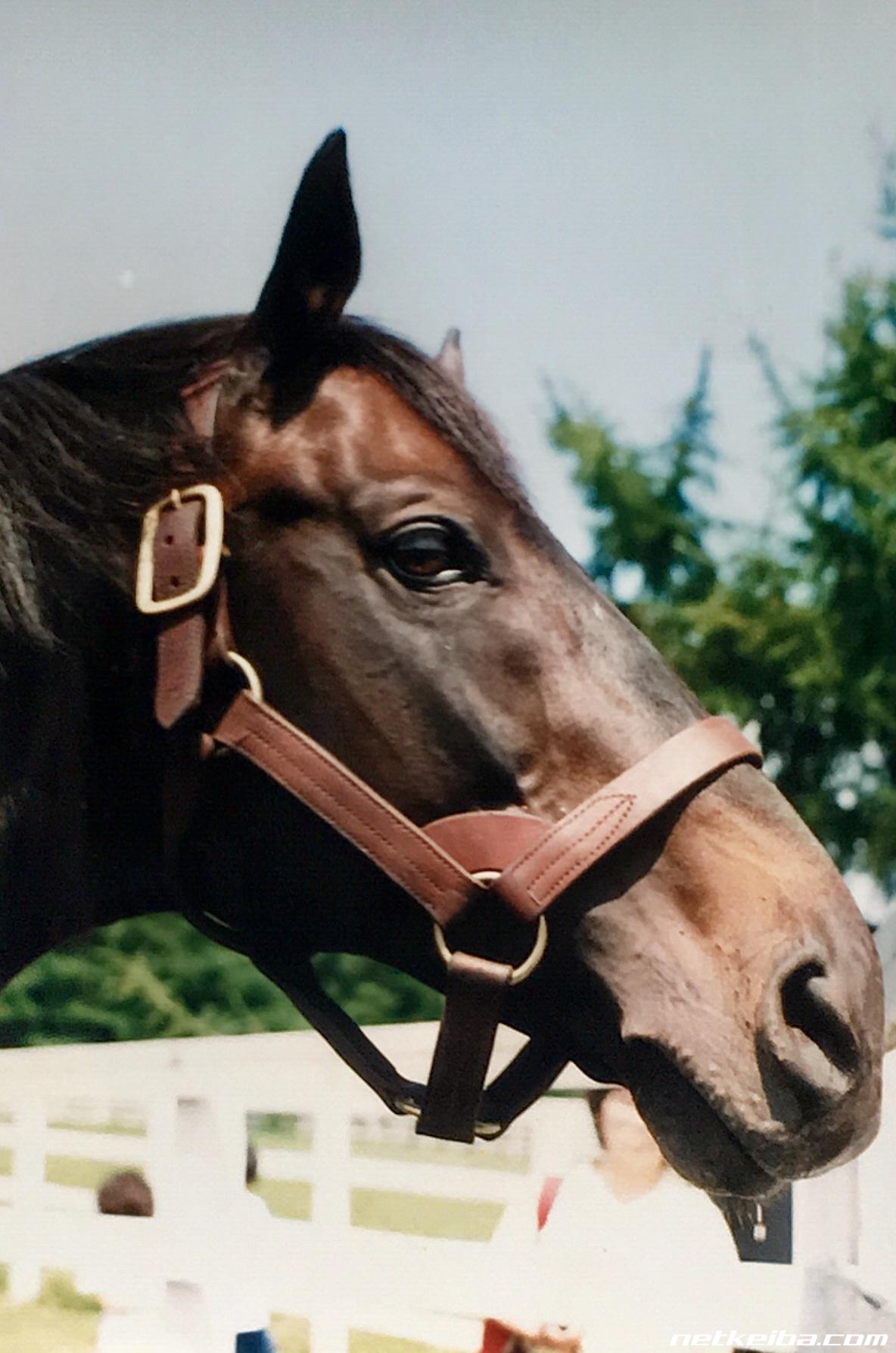
Mr. C.B. was one of the defining Japanese Thoroughbreds of the early 1980s, a dark bay stallion foaled on 7 April 1980 and bred by Chigira Bokujo. Racing for Marunuma Onsen Hotel Co., Ltd. under trainer Yasuhisa Matsuyama, he was sired by the celebrated Triple Crown winner Tosho Boy out of C.B. Queen, with the French-bred Topyo as his damsire. His pedigree combined stamina, determination and classic quality, traits that would define his career.
Although his racing career lasted only fifteen starts, it was one of remarkable quality. Mr. C.B. retired with a record of 15 starts, 8 wins, 3 second-place finishes and 1 third, earning ¥409,598,100 in prize money. He showed promise as a two-year-old in 1982, winning twice from three outings, but it was the following season that elevated him into racing immortality.
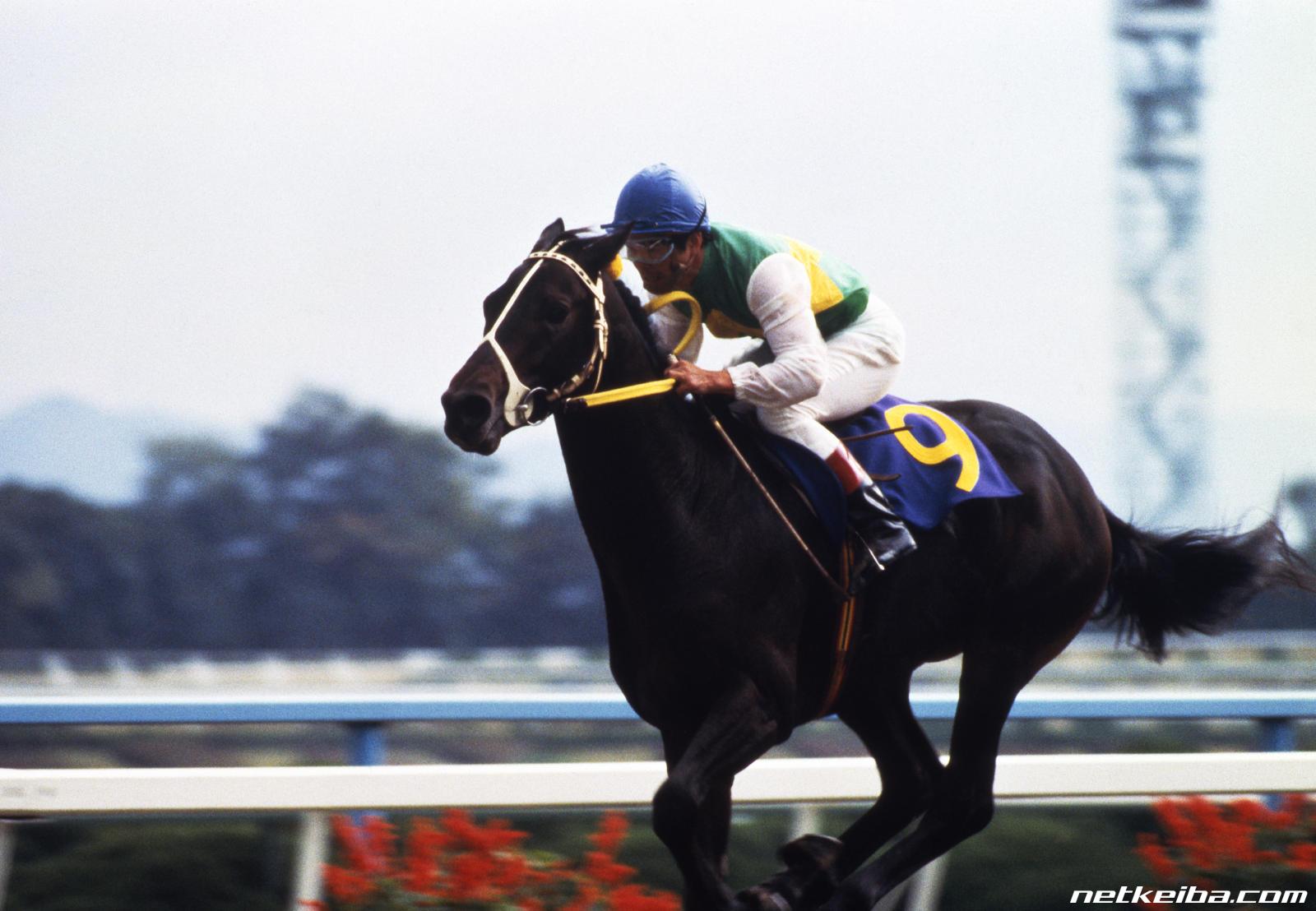
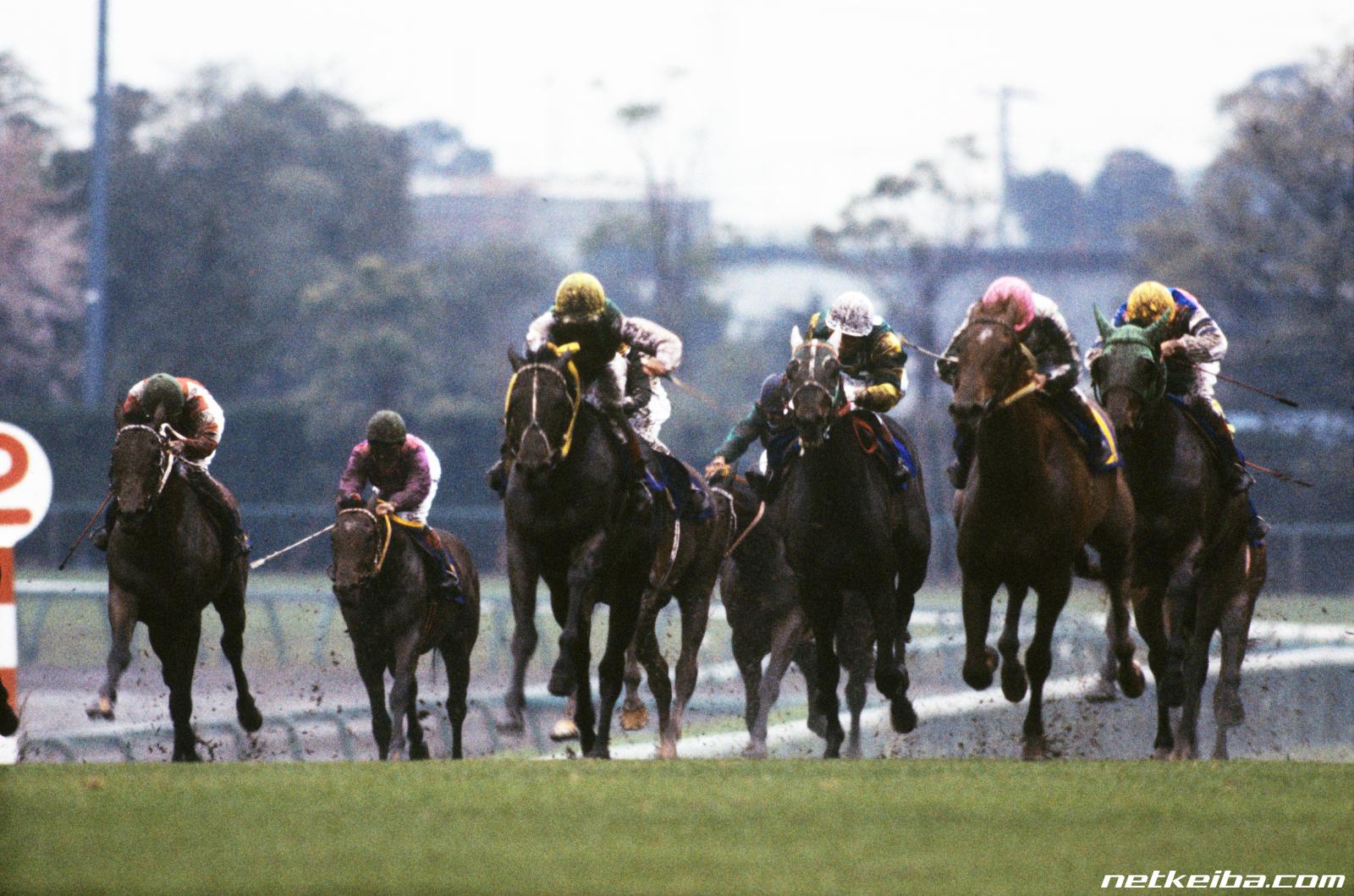
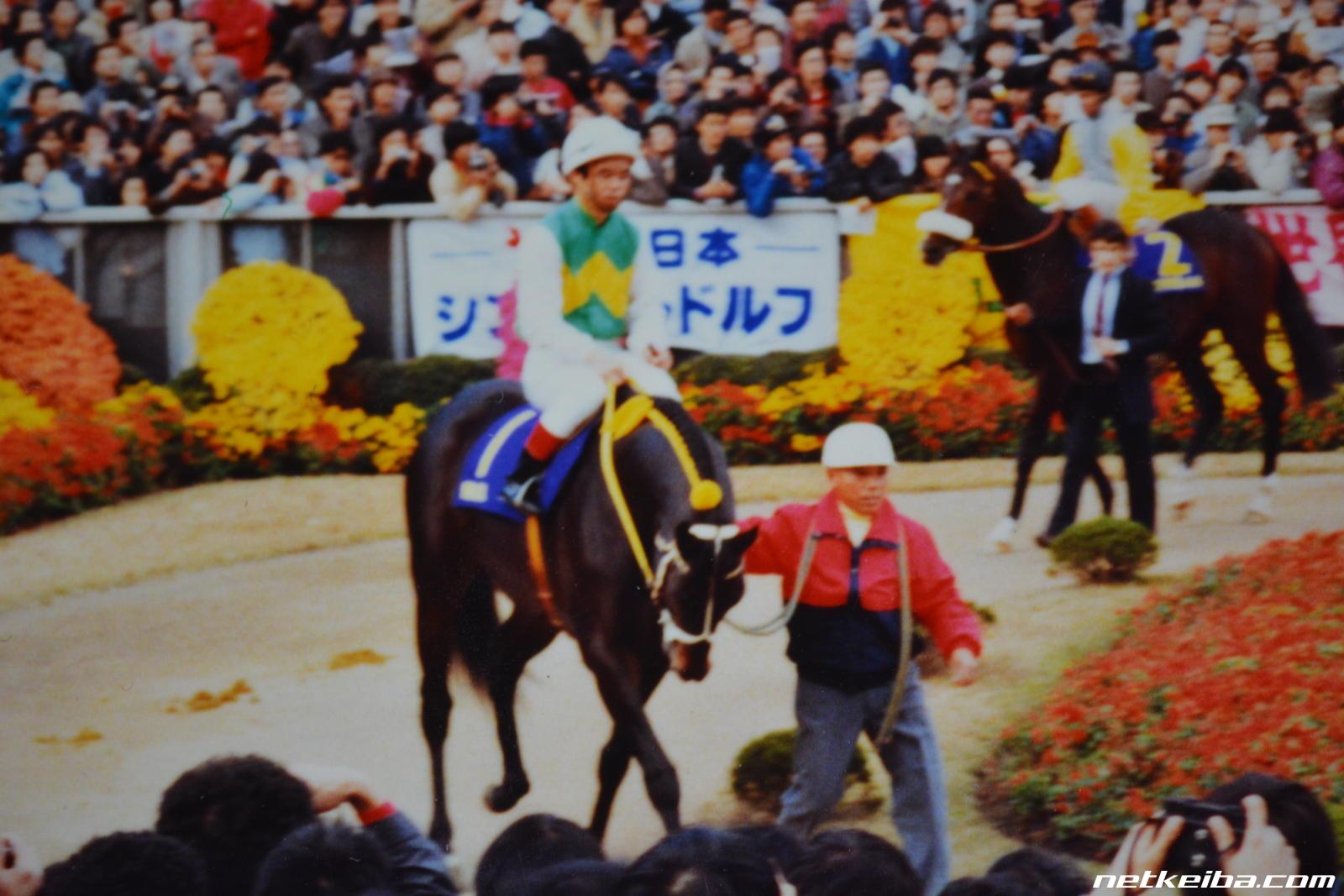
At three years of age, Mr. C.B. produced one of the finest Classic campaigns in Japanese racing history. After winning the Yayoi Sho, traditionally one of the principal trials for the Classics, he captured the Satsuki Sho (Japanese 2000 Guineas) at Nakayama Racecourse on 17 April 1983. Just six weeks later, he conquered the Tokyo Yushun (Japanese Derby) over 2,400 metres, proving his stamina and class over Japan's most prestigious Classic distance.
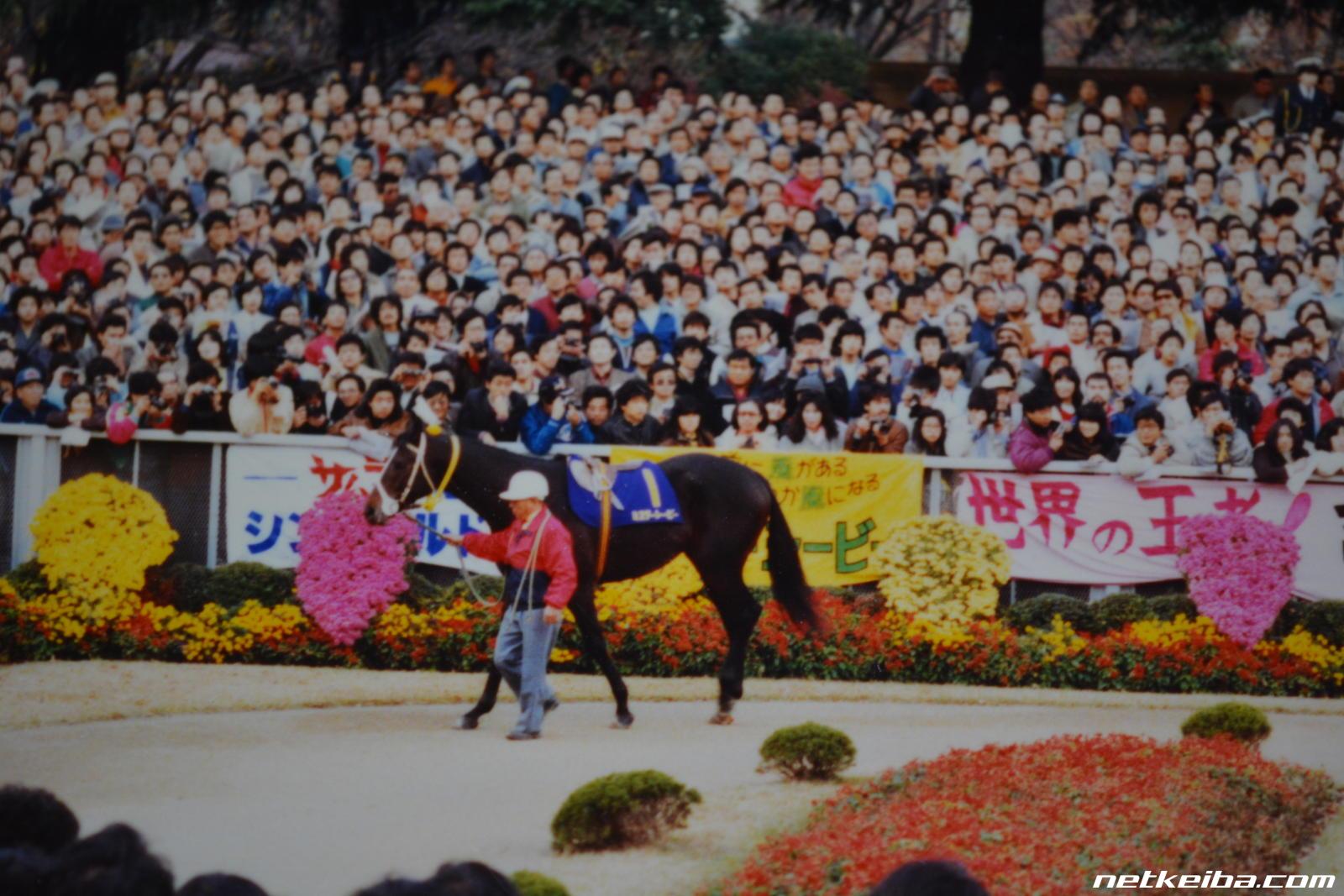
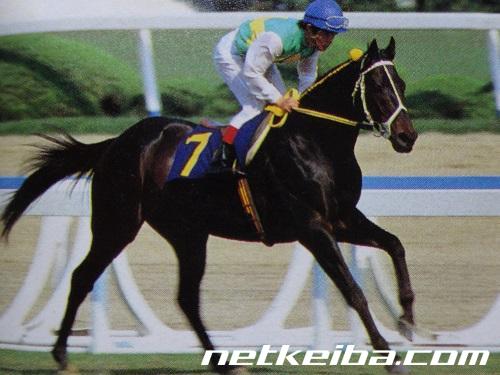
His crowning achievement came that autumn in the Kikuka Sho, where victory secured the Japanese Triple Crown. In doing so, Mr. C.B. became only the third horse in history to win Japan's three Classic races, following St. Lite (1941) and Shinzan (1964). It was an achievement that had eluded Japanese racing for nearly twenty years and firmly established him among the country's greatest racehorses.
The significance of his Triple Crown became even greater with hindsight. Just one year later, Symboli Rudolf completed the same feat, making 1983 and 1984 the only consecutive seasons to produce Japanese Triple Crown winners. Together, Mr. C.B. and Symboli Rudolf ushered in one of the most celebrated eras in Japanese Thoroughbred racing.
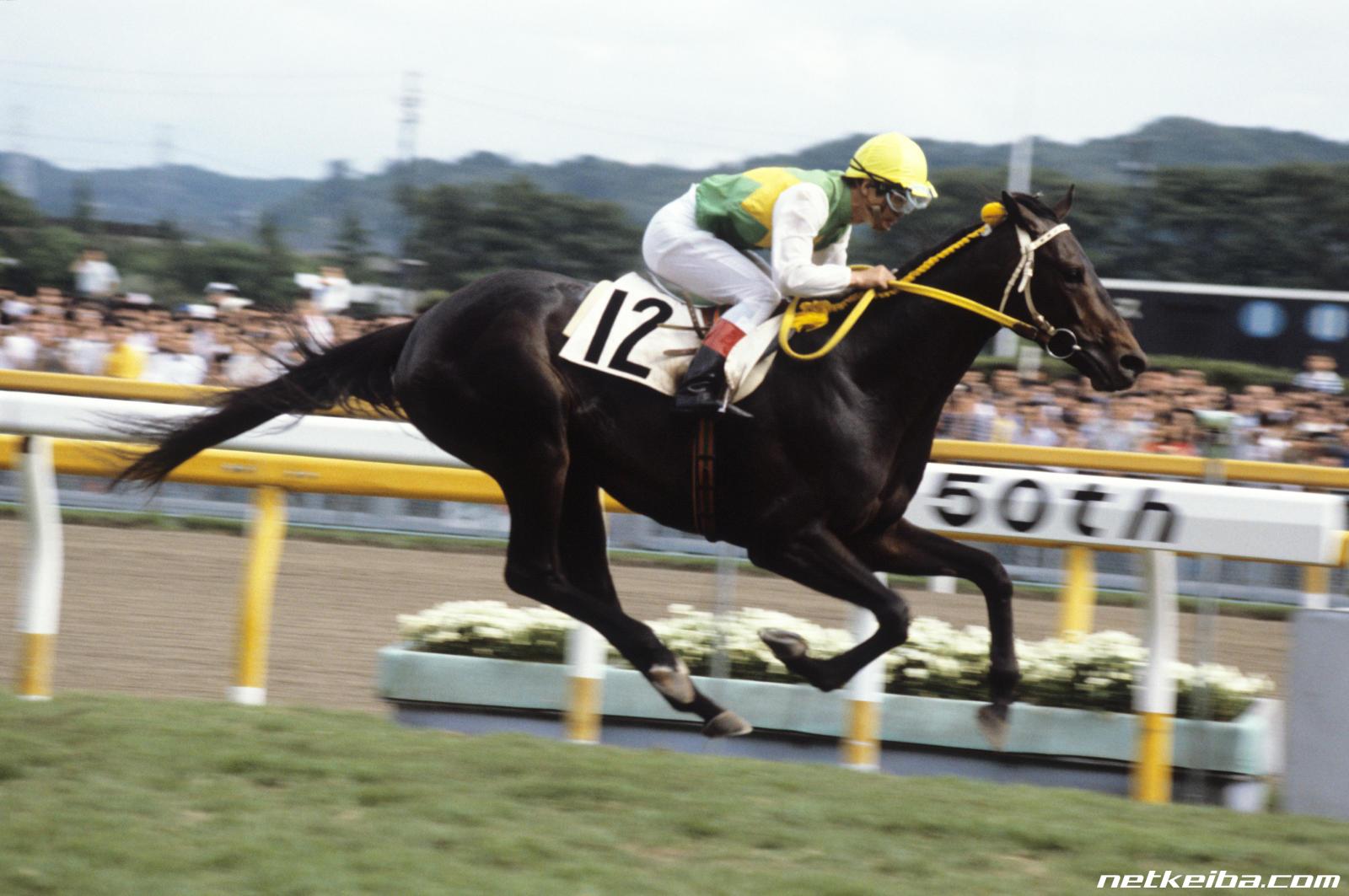
Mr. C.B. continued racing beyond his Classic season, demonstrating that he was far more than a one-year phenomenon. In 1984 he raced four times, recording another Grade 1 victory in the Tenno Sho (Autumn) against older horses, proving that his ability extended well beyond his three-year-old campaign. He remained in training as a five-year-old, making two further appearances before retiring from racing. While his Triple Crown naturally became the defining chapter of his career, his later performances confirmed him as one of the outstanding horses of his generation.
Behind the champion was a carefully managed upbringing. Historical records show that Mr. C.B. was weaned at Okamoto Farm before moving to Chigira Farm in March 1981, where he underwent his early breaking and conditioning. Only after this foundation work was he transferred to Yasuhisa Matsuyama's Miho Training Centre stable. His development reflected the patient approach often taken with Classic prospects, allowing him to mature into one of Japan's finest colts.
Following retirement, Mr. C.B. entered stud, contributing to Japanese Thoroughbred breeding for many years. While his influence as a sire never quite matched his brilliance on the racecourse, his legacy was already secure. He retired as the 1983 Japanese Horse of the Year, a Japanese Derby winner, Satsuki Sho winner, Kikuka Sho winner, Tenno Sho (Autumn) winner, and one of the select few horses ever to complete the Japanese Triple Crown.
More than four decades later, Mr. C.B. remains one of the defining Classic horses of the Showa era—a champion whose elegant stride, determination and extraordinary 1983 campaign continue to inspire racing fans and Uma Musume enthusiasts alike.
Among Mr. C.B.'s most memorable rivals was Katsuragi Ace, another outstanding horse of the same generation. Their rivalry became one of the defining stories of Japanese racing during the mid-1980s, with both horses regularly competing at the highest level.
The respect held for that rivalry endured long after both horses had retired. Mr. C.B.'s name is engraved on Katsuragi Ace's gravestone, recalling their unforgettable battles and expressing a wish to see them race together once more.
"I remembered your performance at that Japan Cup. I was moved by what you did in that Japan Cup. I wish to see you race against Mr. C.B. again."
The inscription was later referenced in the happy ending of Katsuragi Ace's career story in Uma Musume, preserving one of Japanese racing's most touching tributes to sporting rivalry.
| Date | Race | Grade | Course | Going | Dist | Pos | Draw | Jockey | Wgt | SP | Time |
|---|---|---|---|---|---|---|---|---|---|---|---|
| 1985-04-29 |
Tenno Sho (Spring)
|
G1 | Kyoto (JP) | - | 3200 m | 5 | 7 | M.Yoshinaga | - | 5.0 | 3:22.3 |
| 1985-03-31 |
Sankei Osaka Hai
|
G2 | Hanshin (JP) | - | 2000 m | 2 | 4 | M.Yoshinaga | - | 2.2 | 2:01.4 |
| 1984-12-23 |
Arima Kinen
|
G1 | Nakayama (JP) | - | 2500 m | 3 | 2 | M.Yoshinaga | - | 4.0 | 2:33.3 |
| 1984-11-25 |
Japan Cup
|
G1 | Tokyo (JP) | - | 2400 m | 10 | 1 | M.Yoshinaga | - | 3.3 | 2:28.2 |
| 1984-10-28 |
Tenno Sho (Autumn)
|
G1 | Tokyo (JP) | - | 2000 m | 1 | 13 | M.Yoshinaga | - | 2.3 | 1:59.3 |
| 1984-10-07 |
Mainichi Okan
|
G2 | Tokyo (JP) | - | 1800 m | 2 | 7 | M.Yoshinaga | - | 3.9 | 1:47.5 |
| 1983-11-13 |
Kikuka Sho (Japanese St.Leger)
|
OP | Kyoto (JP) | - | 3000 m | 1 | 9 | M.Yoshinaga | - | 2.8 | 3:08.1 |
| 1983-10-23 |
Kyoto Shimbun Hai
|
OP | Kyoto (JP) | - | 2000 m | 4 | 7 | M.Yoshinaga | - | 2.2 | 2:03.2 |
| 1983-05-29 |
Tokyo Yushun (Japanese Derby)
|
OP | Tokyo (JP) | - | 2400 m | 1 | 12 | M.Yoshinaga | - | 2.5 | 2:29.5 |
| 1983-04-17 |
Satsuki Sho (Japanese 2000 Guineas)
|
OP | Nakayama (JP) | - | 2000 m | 1 | 12 | M.Yoshinaga | - | 3.2 | 2:08.3 |
| 1983-03-06 |
Yayoi Sho
|
OP | Nakayama (JP) | - | 1800 m | 1 | 3 | M.Yoshinaga | - | 3.5 | 1:50.2 |
| 1983-02-13 |
Kyodo News Hai
|
OP | Tokyo (JP) | - | 1800 m | 1 | 8 | M.Yoshinaga | - | 3.5 | 1:49.5 |
| 1982-12-25 |
Hiiragi Sho
|
Pre-OP | Nakayama (JP) | - | 1800 m | 2 | 3 | M.Yoshinaga | - | 2.2 | 1:50.4 |
| 1982-12-04 |
Kuromatsu Sho
|
Pre-OP | Nakayama (JP) | - | 1600 m | 1 | 10 | M.Yoshinaga | - | 2.6 | 1:36.3 |
| 1982-11-06 |
Three-Year-Old Newcomer
|
Maiden | Tokyo (JP) | - | 1600 m | 1 | 11 | M.Yoshinaga | - | 2.6 | 1:38.5 |
Citations
Imported and enriched race results from supported racing sources.