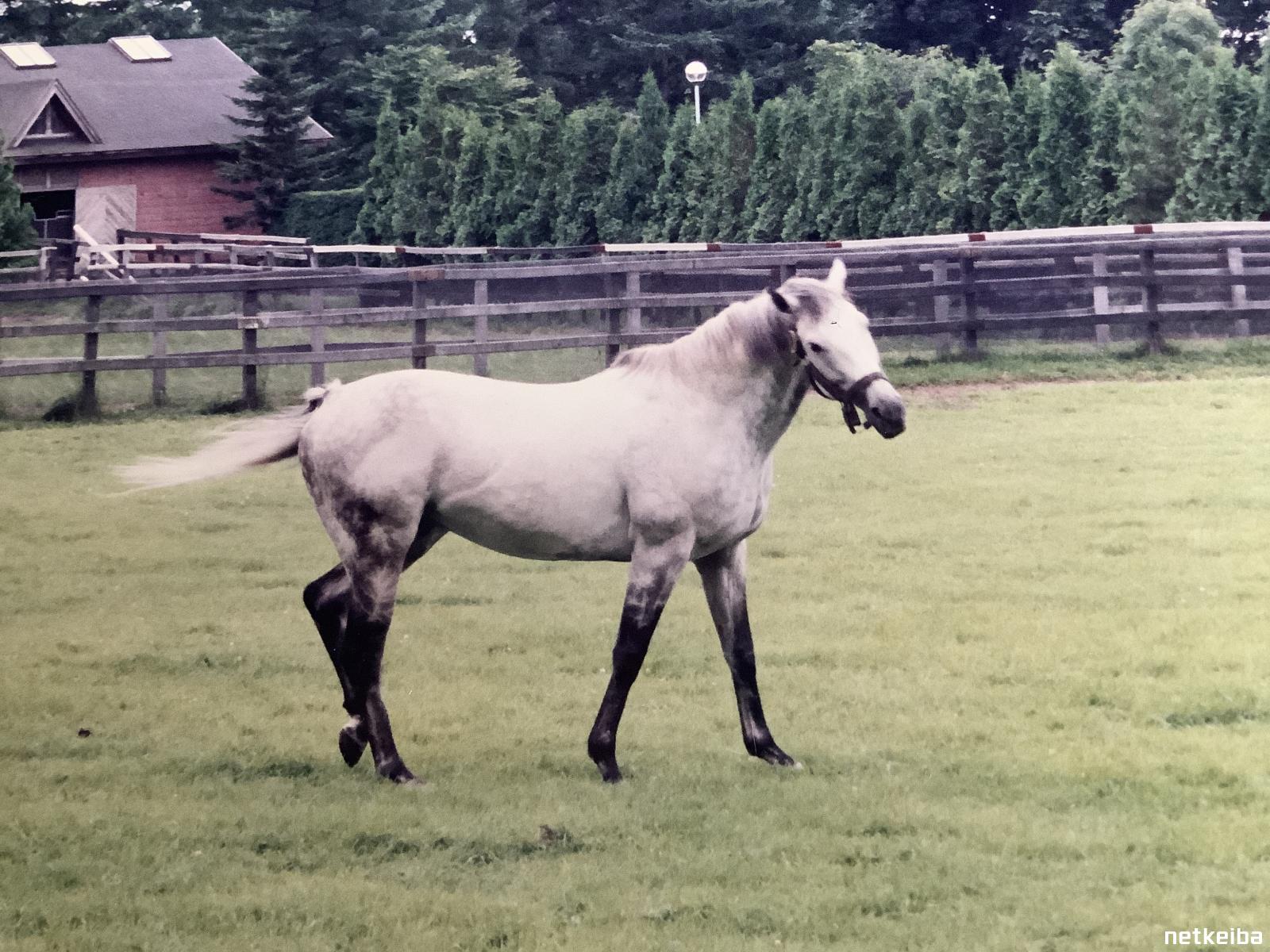
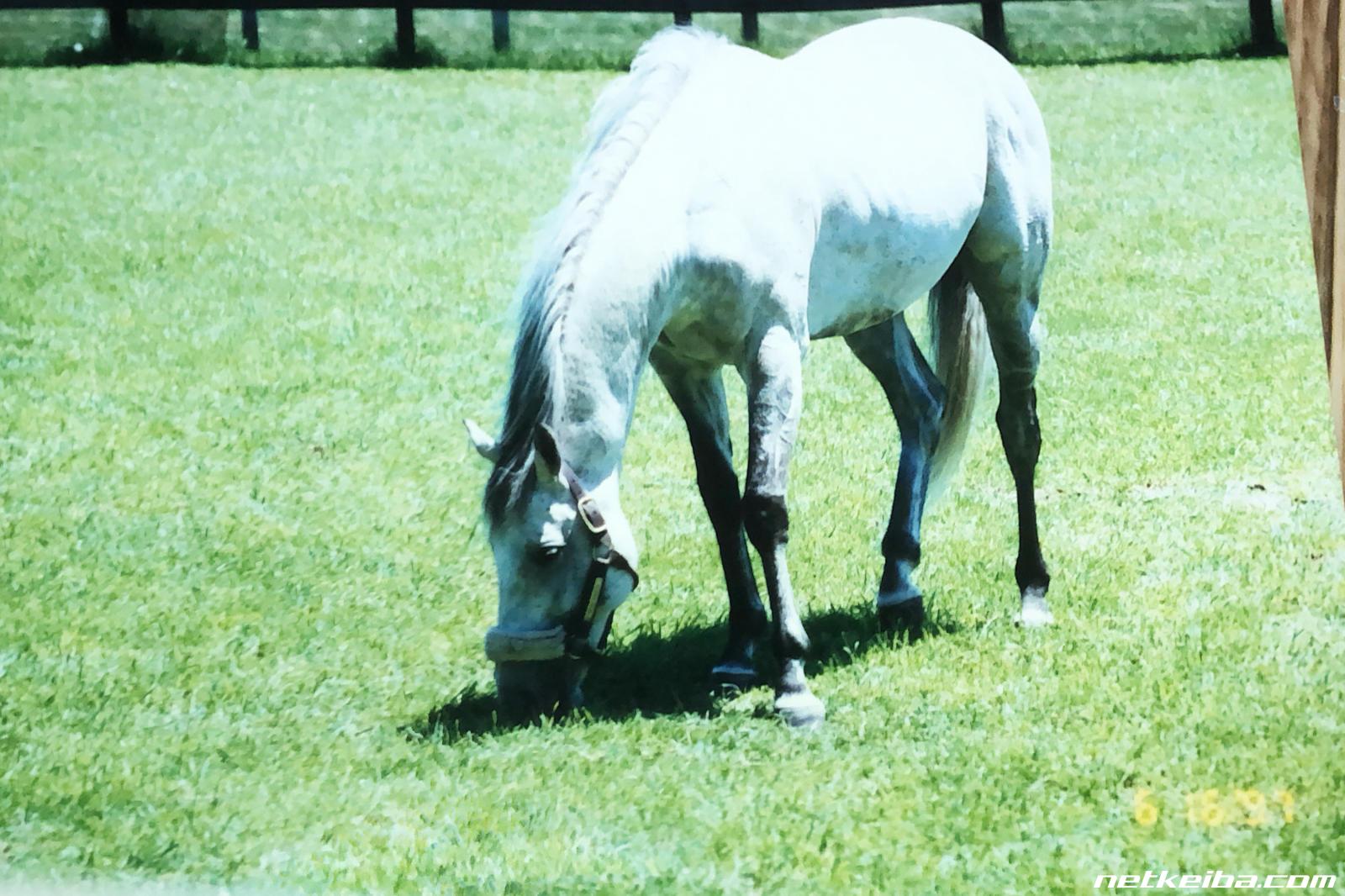
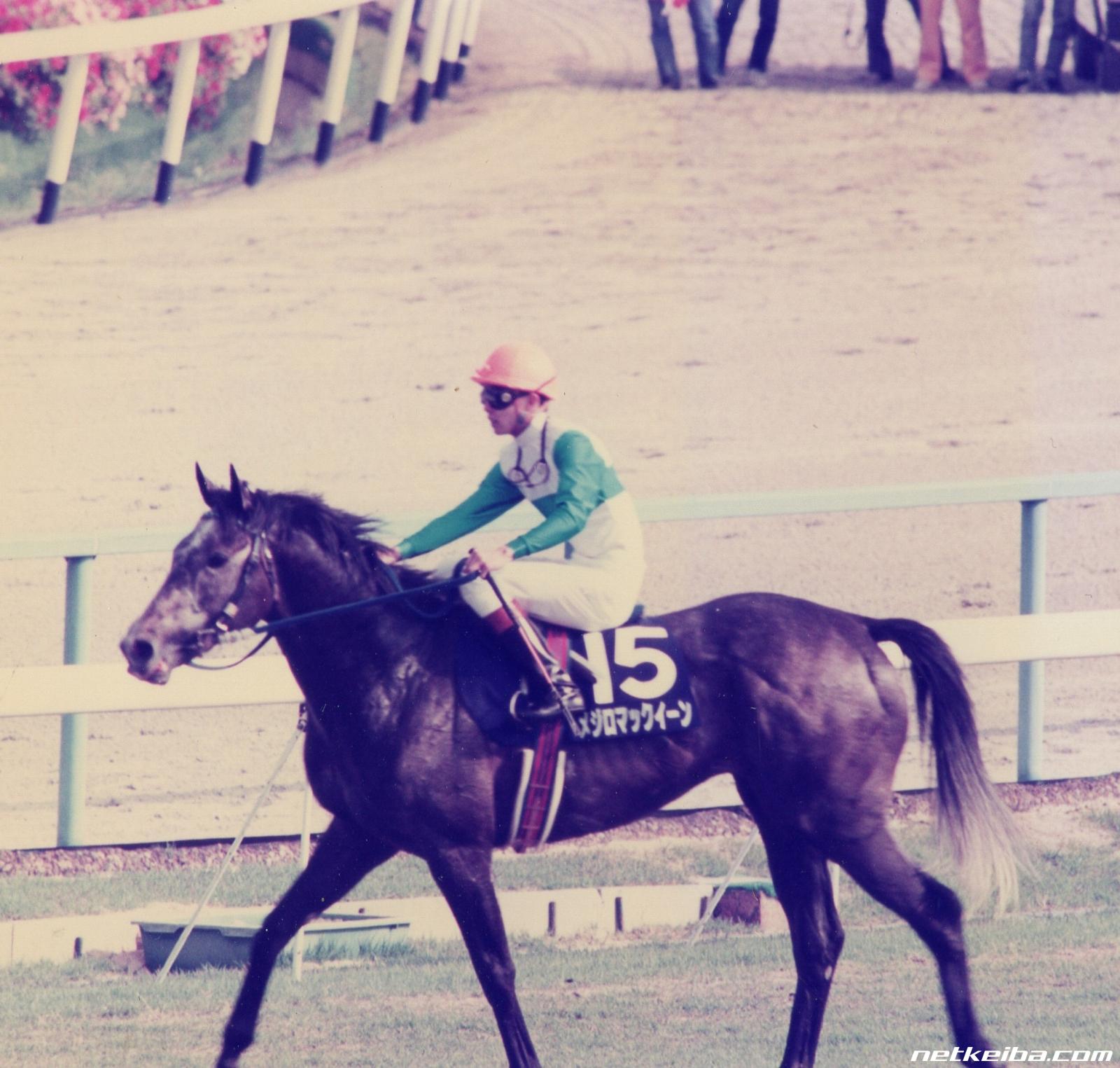
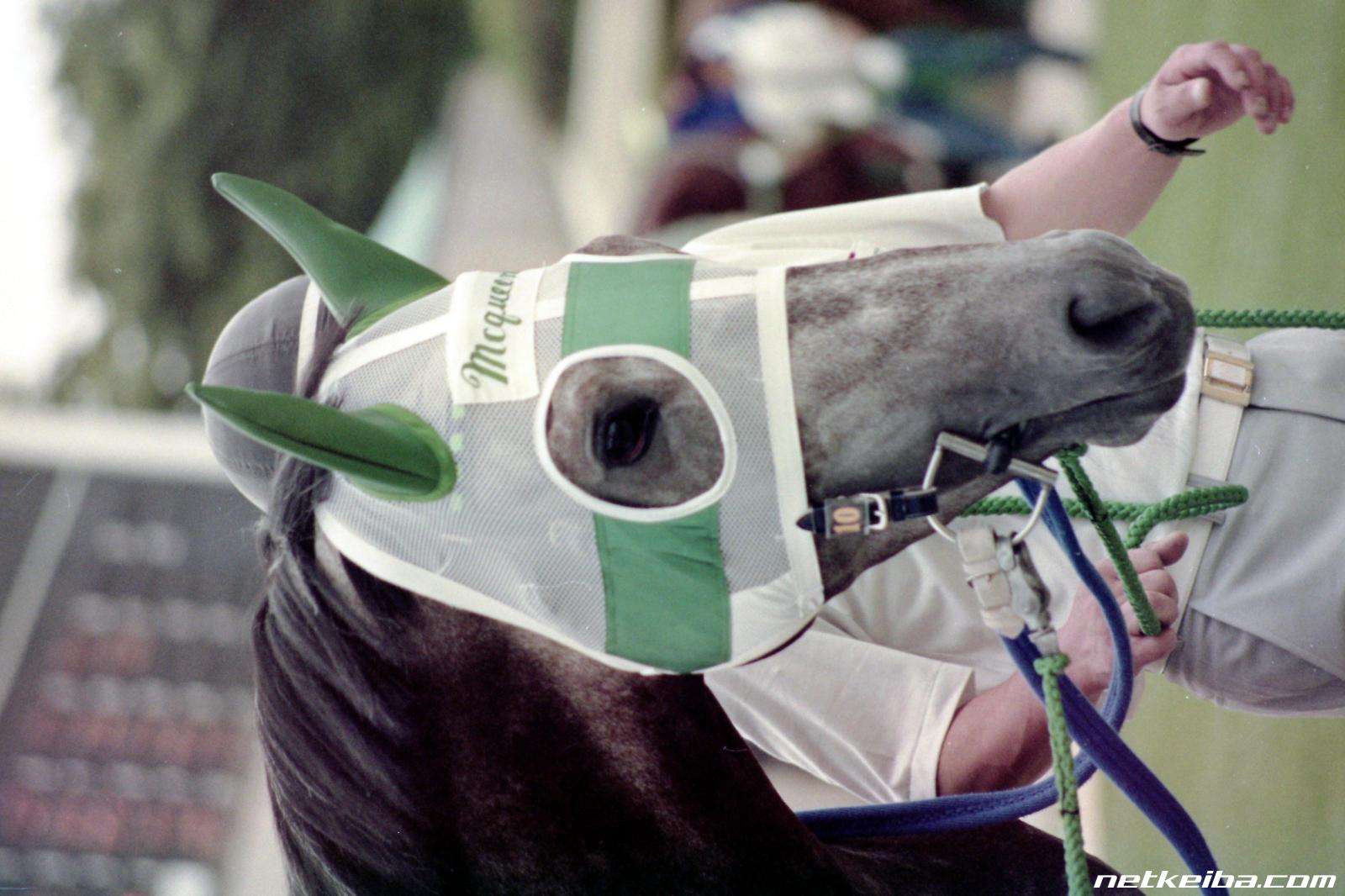
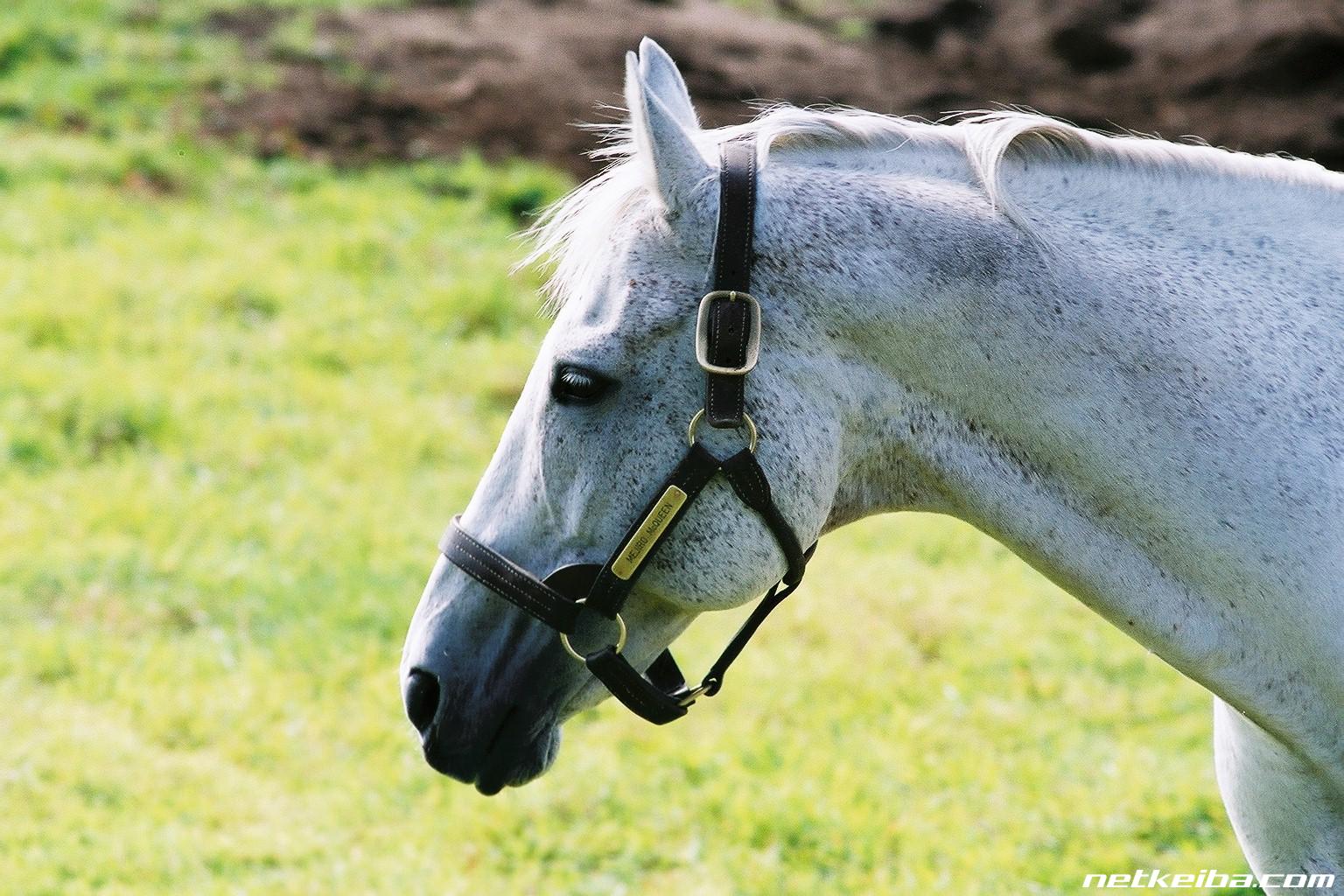
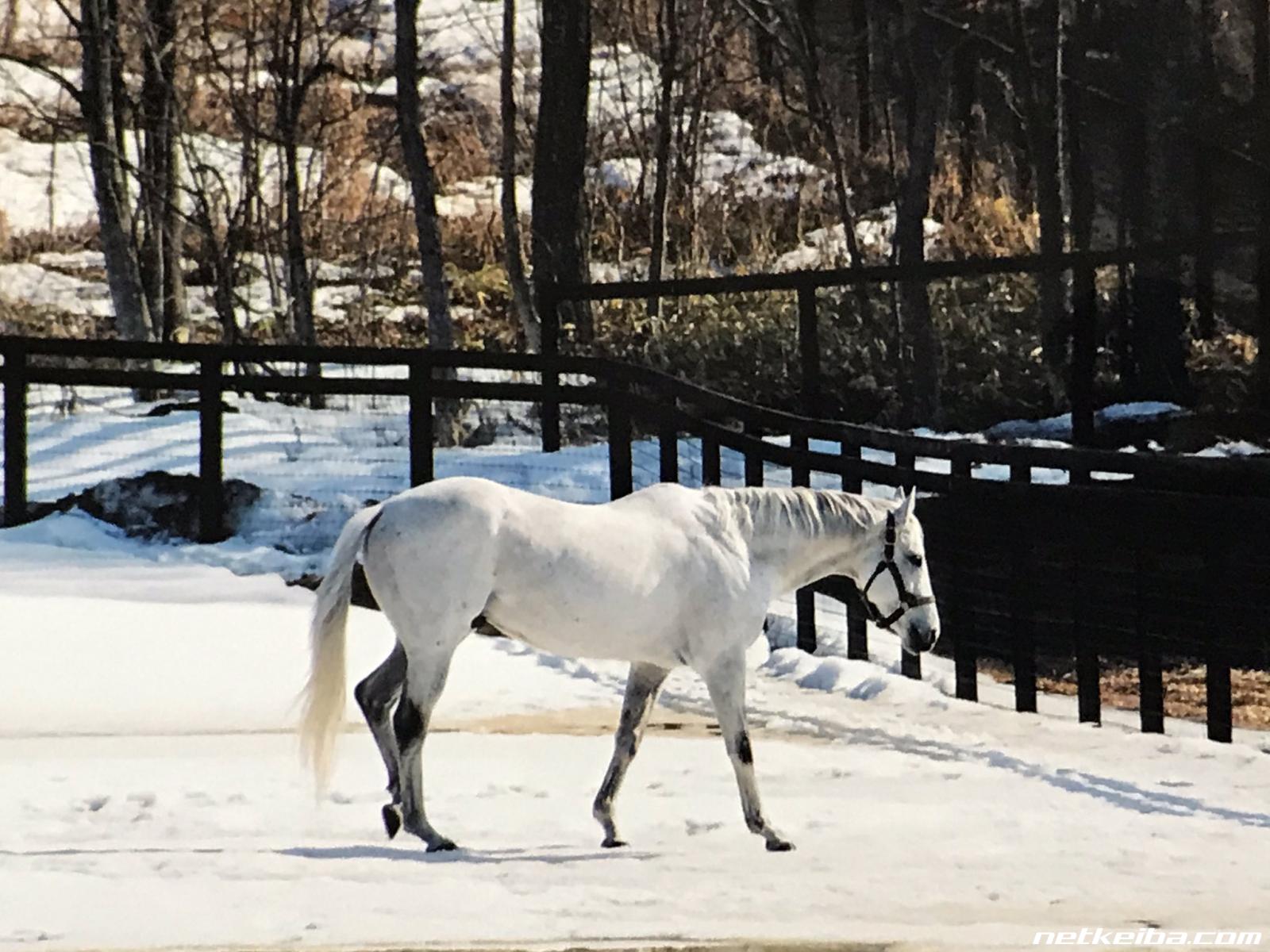
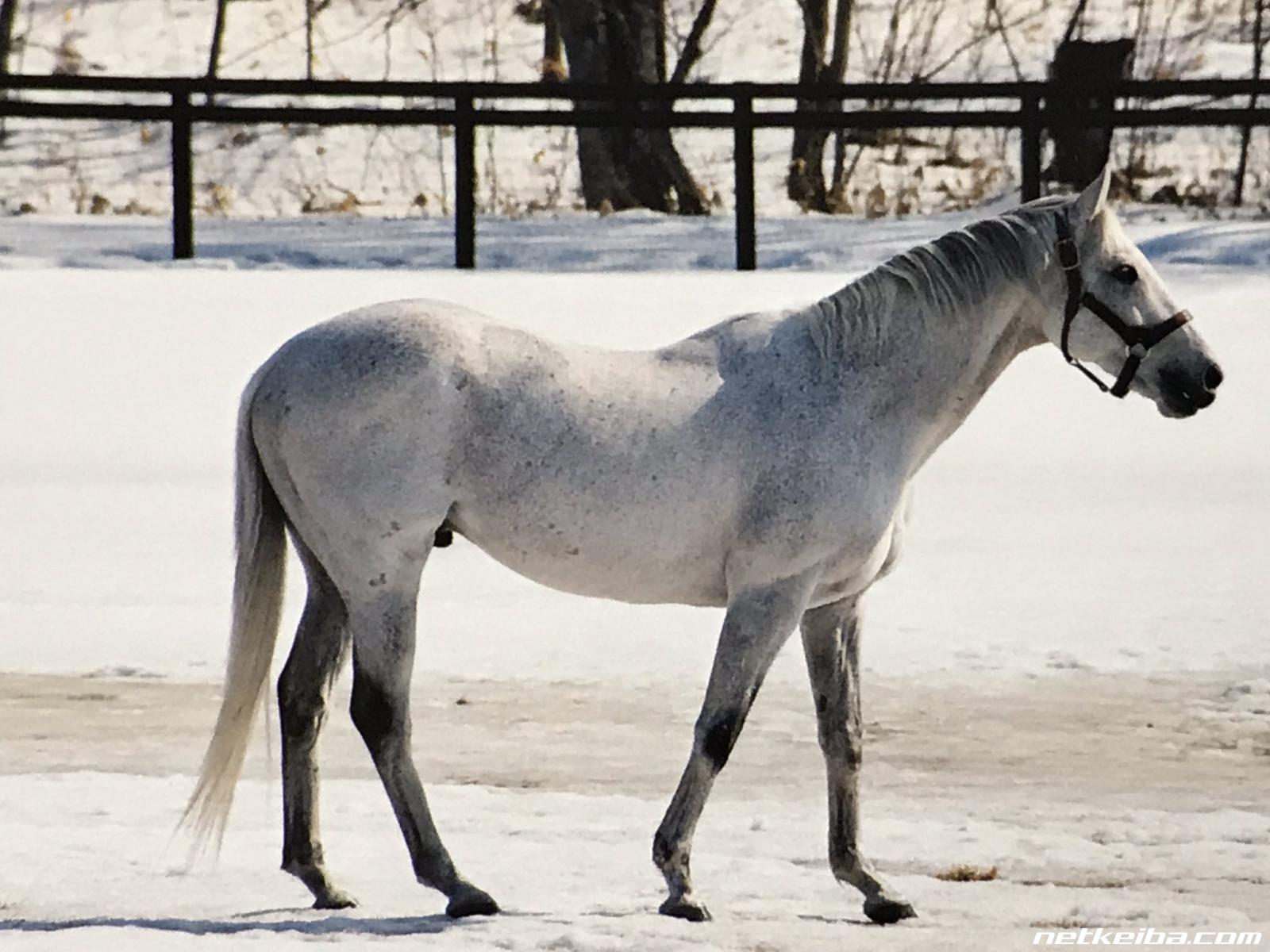
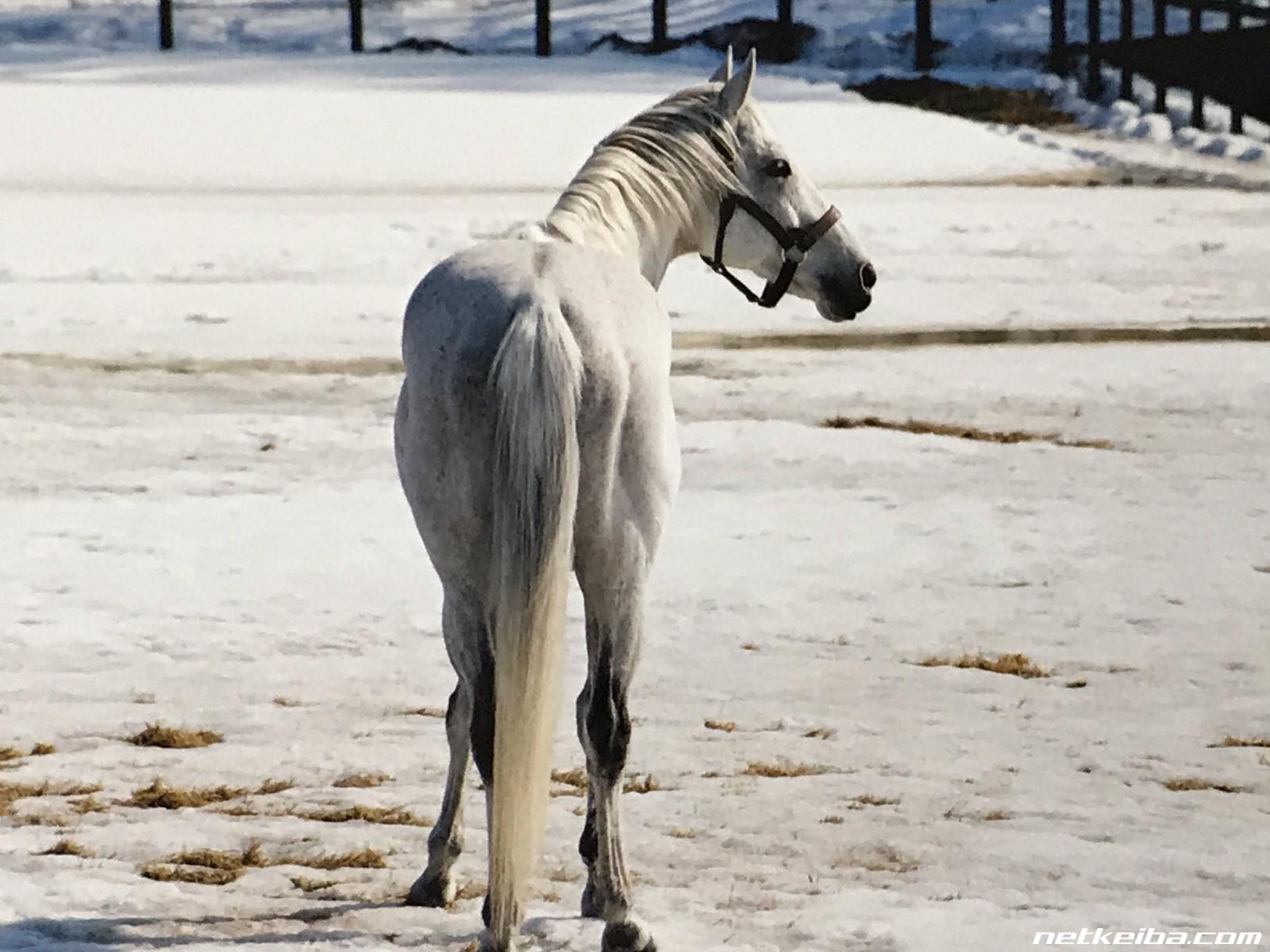
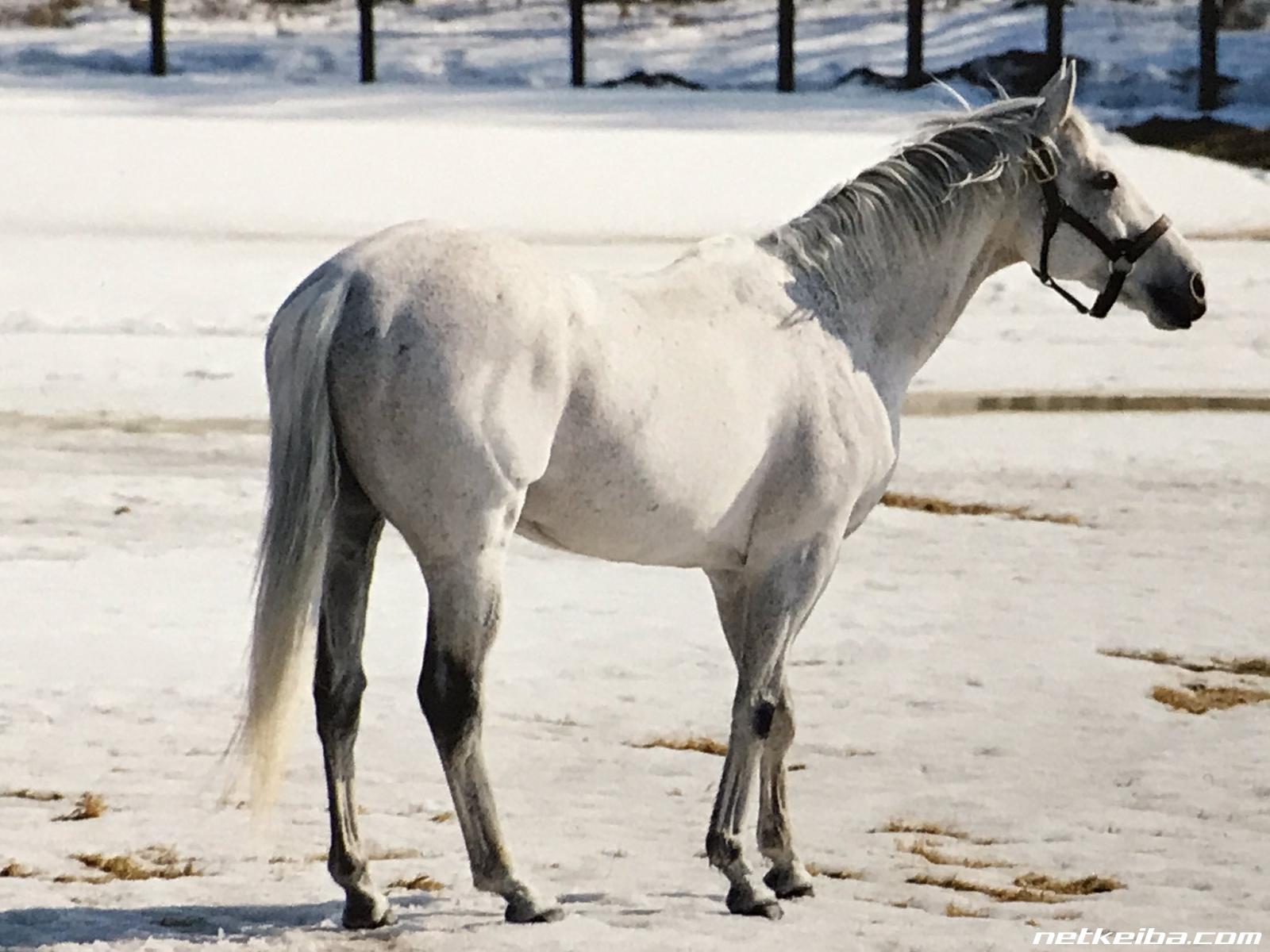
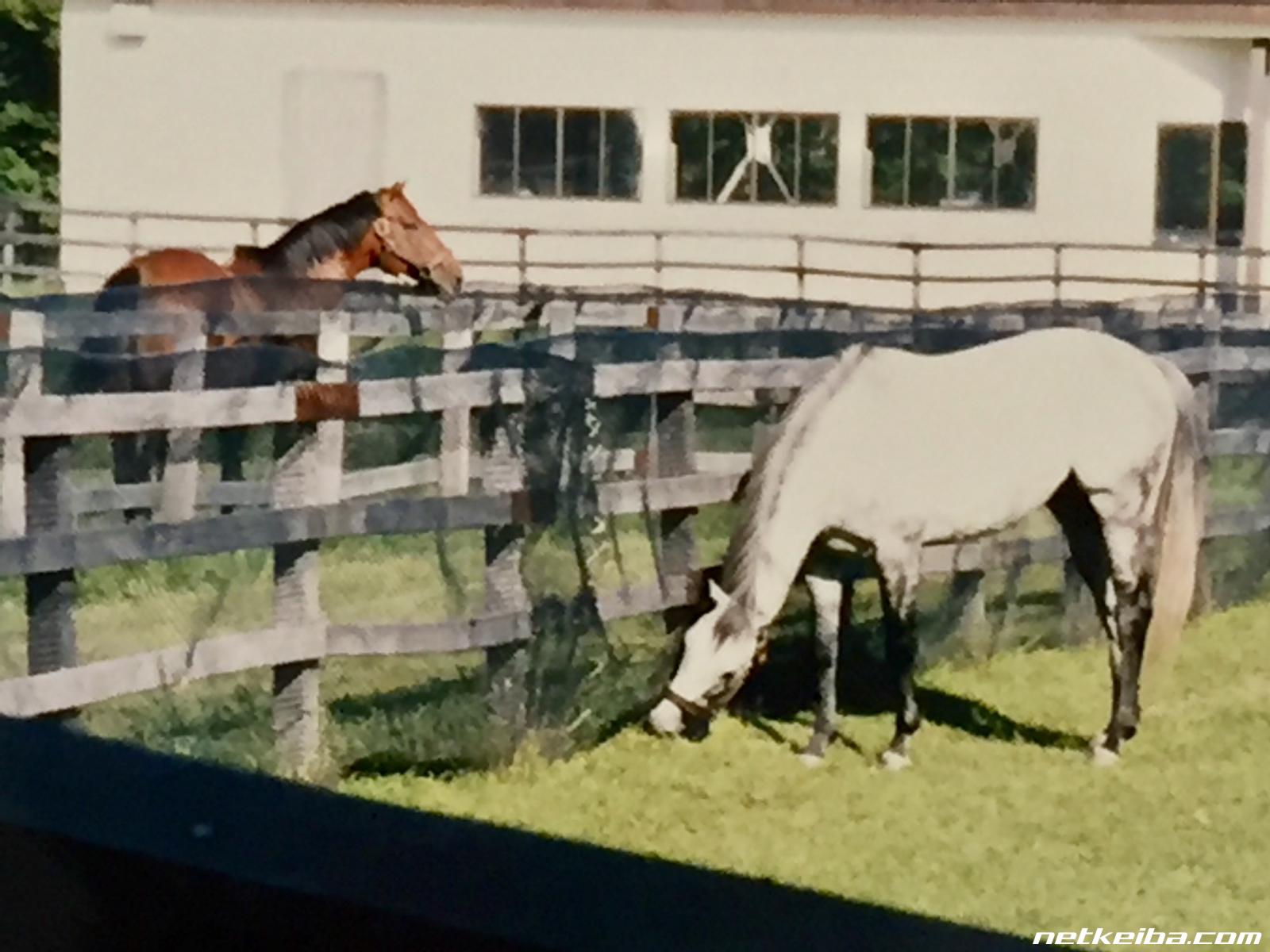
Mejiro McQueen was one of Japan’s standout grey champions of the late 1980s and early 1990s, a horse whose record and staying-class made him a lasting name in JRA history. Foaled on 3 April 1987 and bred in Japan by Katashi Yoshida, he raced in the colours of Mejiro Shoji and was trained by Yasuo Ikee. Over a relatively compact career, he compiled a record of 21 starts for 12 wins, 6 seconds and 1 third, with total earnings of 1,014,657,700 yen.
He was strongly tied to the distinguished Mejiro family. Mejiro McQueen was by Mejiro Titan, a son of Mejiro Asama, and out of Mejiro Aurola, by Remand. His close relations included Mejiro Durren, Mejiro Darwin, and Mejiro Limburg, underlining the depth of the family cultivated around the Mejiro name. In pedigree terms as well as performance, he represented one of the notable home-bred Japanese lines of his era.
His rise to the top was confirmed in the 1990 Kikuka Sho, one of the Japanese Triple Crown races, and he then became especially prominent among older horses. In 1991 he won the Hanshin Daishoten, the Tenno Sho (Spring), and the Kyoto Daishoten, a sequence that helped earn him the JRA Award for Best Older Male Horse. He repeated in the Tenno Sho (Spring) in 1992, giving him back-to-back victories in one of Japan’s great staying prizes, and also added a second Hanshin Daishoten.
Mejiro McQueen remained a major force into 1993, capturing the Sankei Osaka Hai, another Kyoto Daishoten, and the Takarazuka Kinen. Across his career, his major wins showed both durability and class, and his earnings in JRA races alone reached ¥998.10 million. His achievements were recognised formally when he was inducted into the JRA Hall of Fame in 1994.
After retirement, his stature as a racehorse remained secure, and he is remembered as one of the hallmark grey stars of modern Japanese racing. Mejiro McQueen died on 3 April 2006, fittingly on his nineteenth birthday, but his name endures through his race record, Hall of Fame status, and place within the storied Mejiro bloodline.
Sources