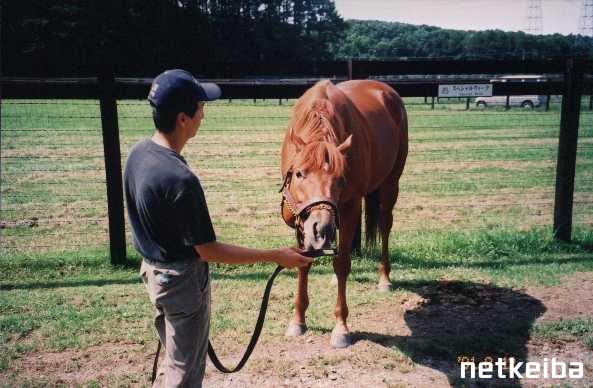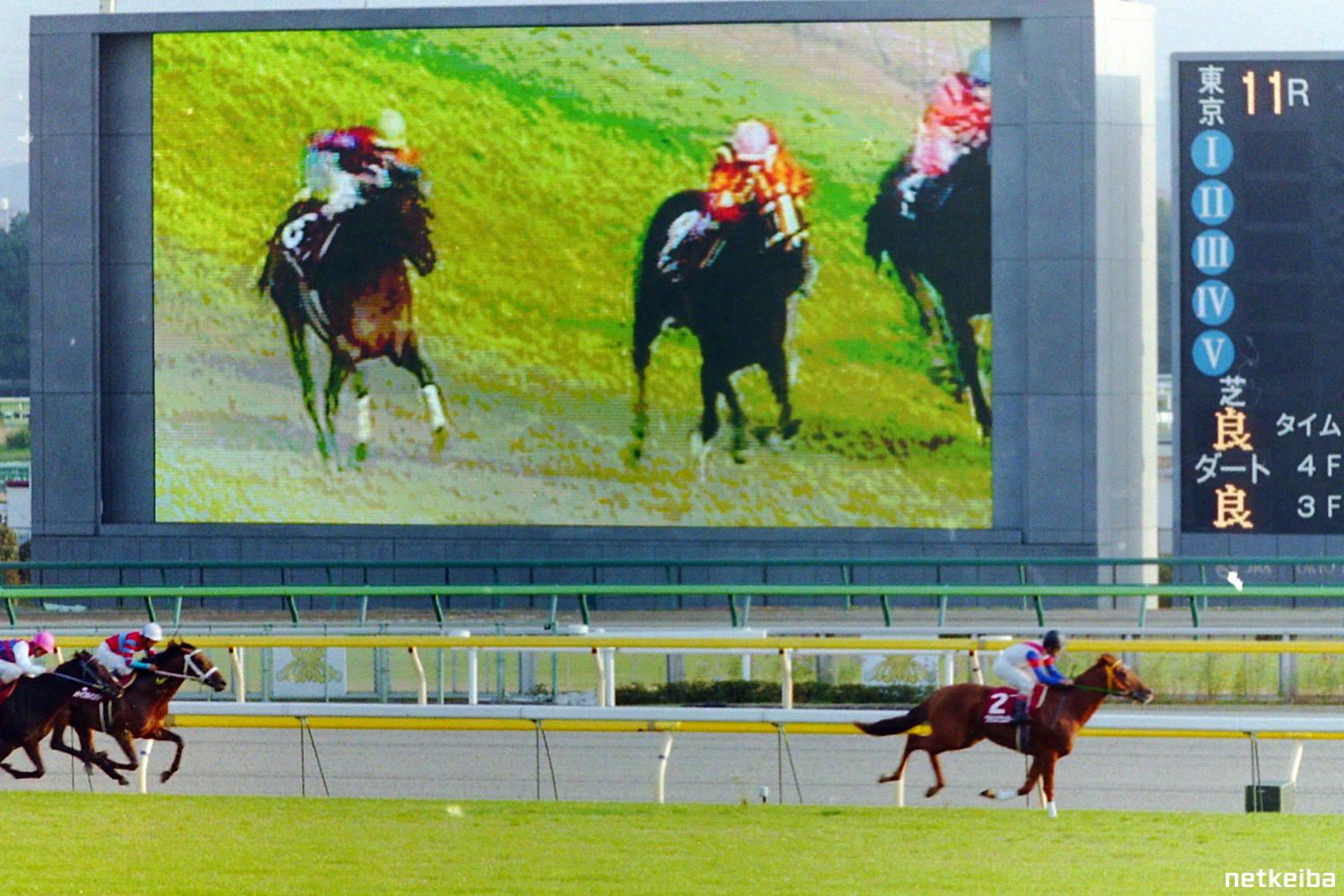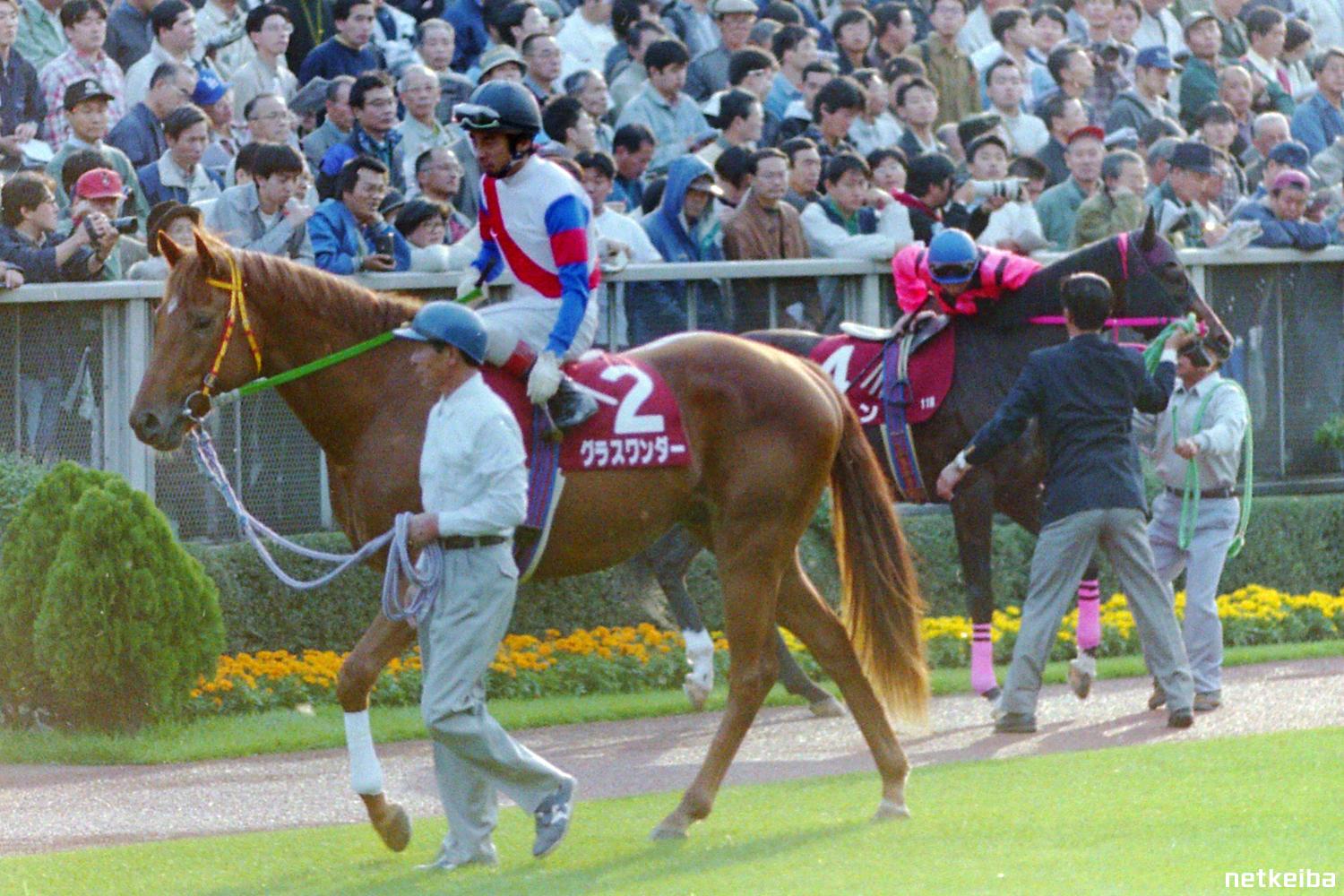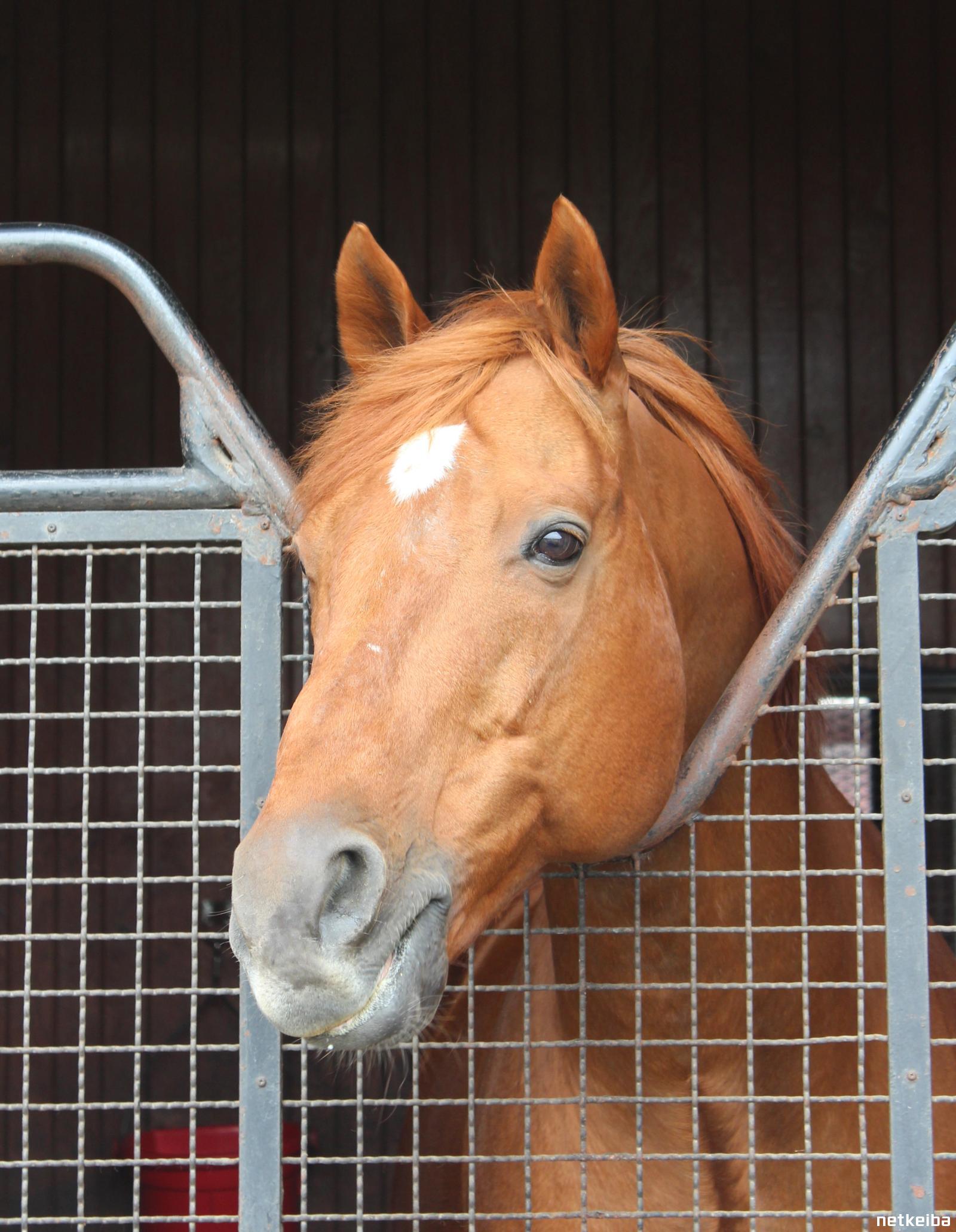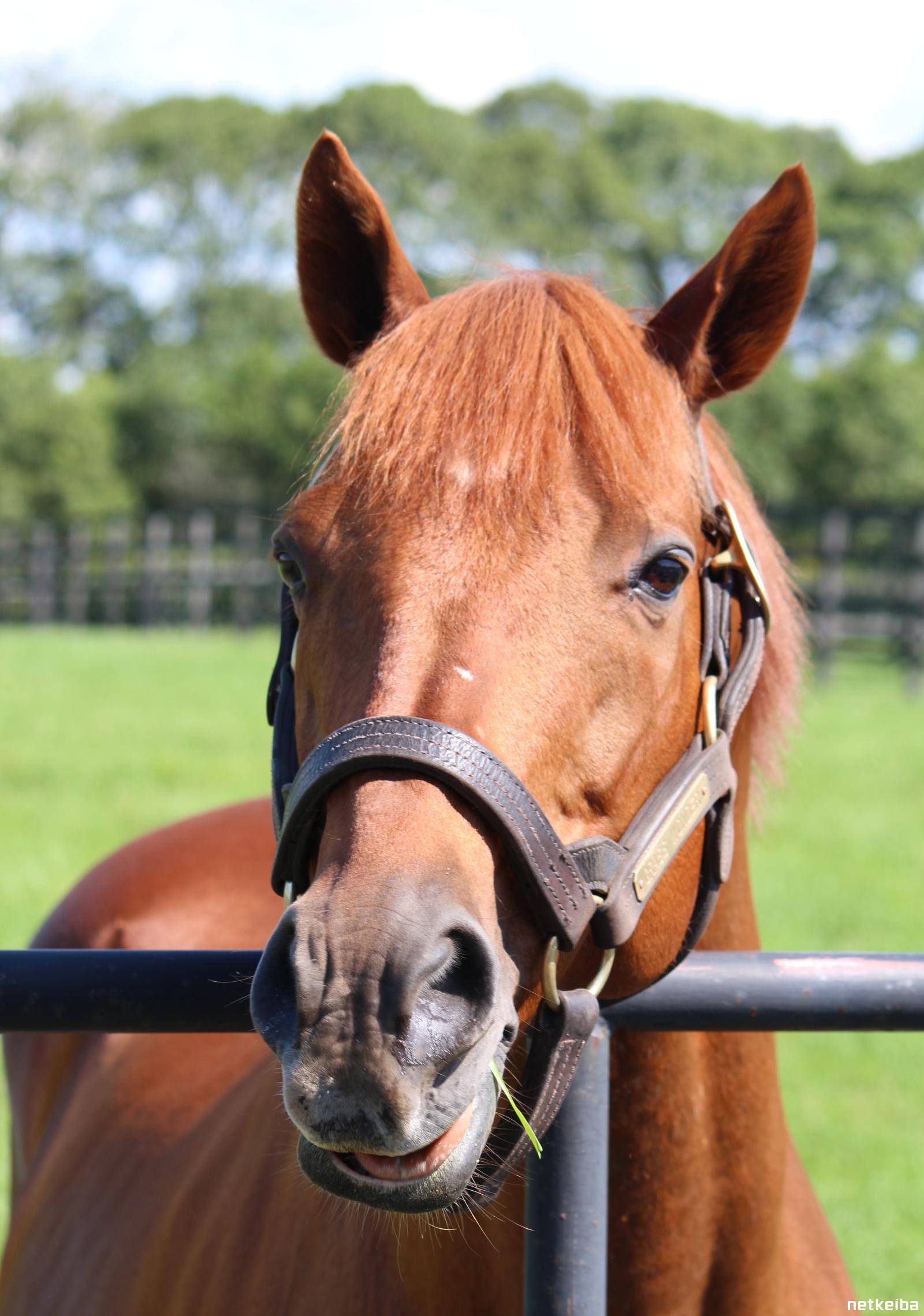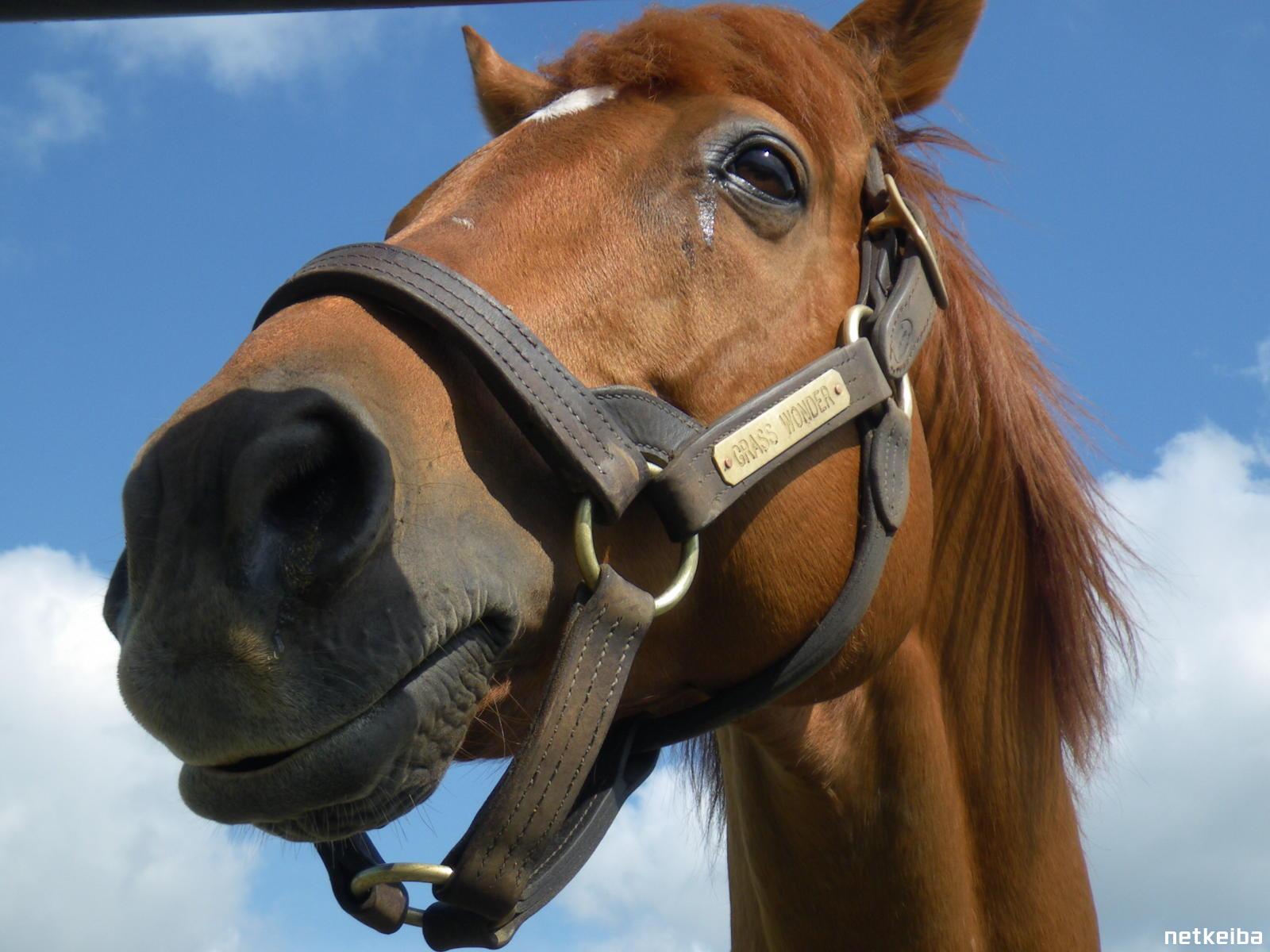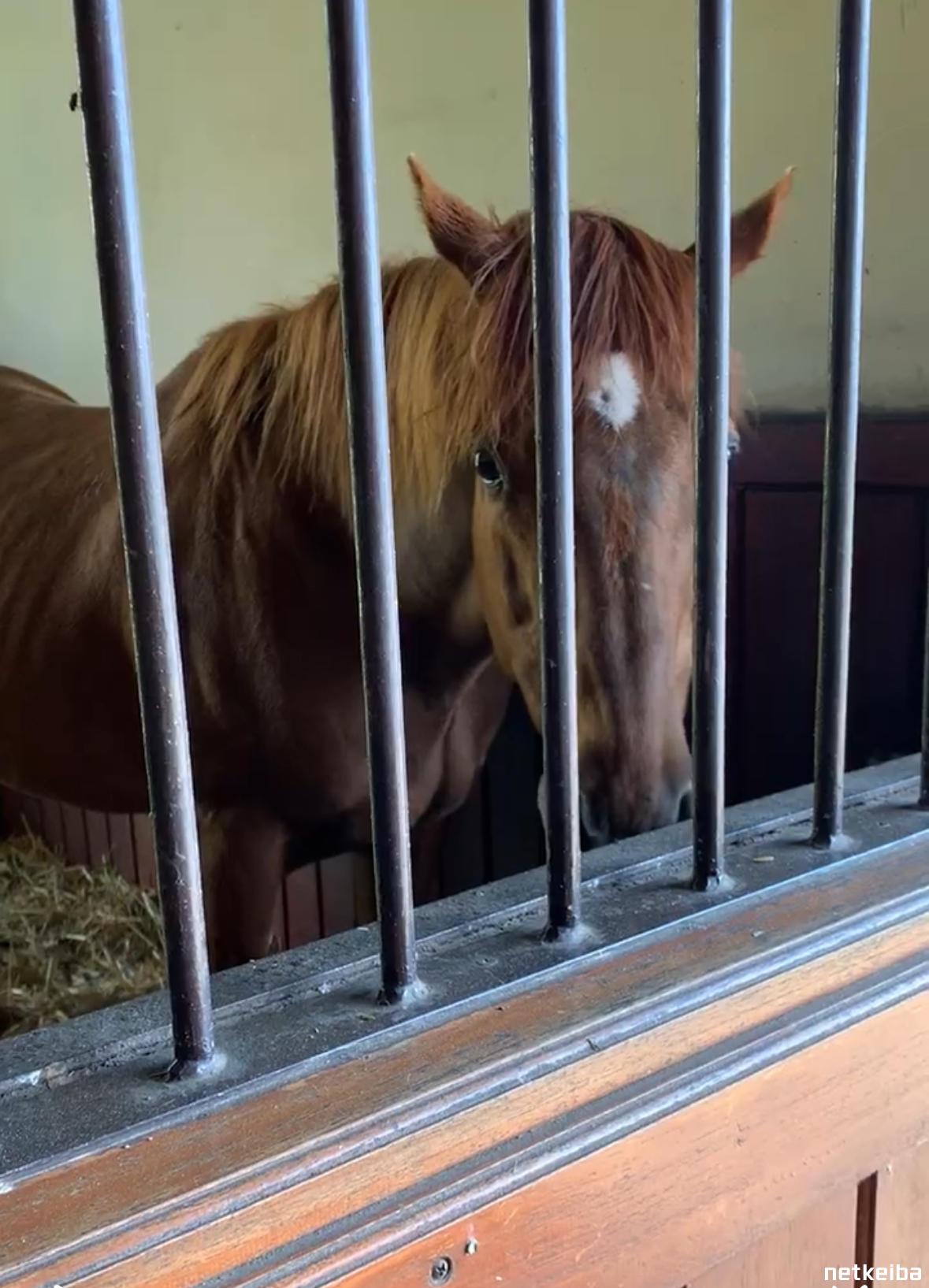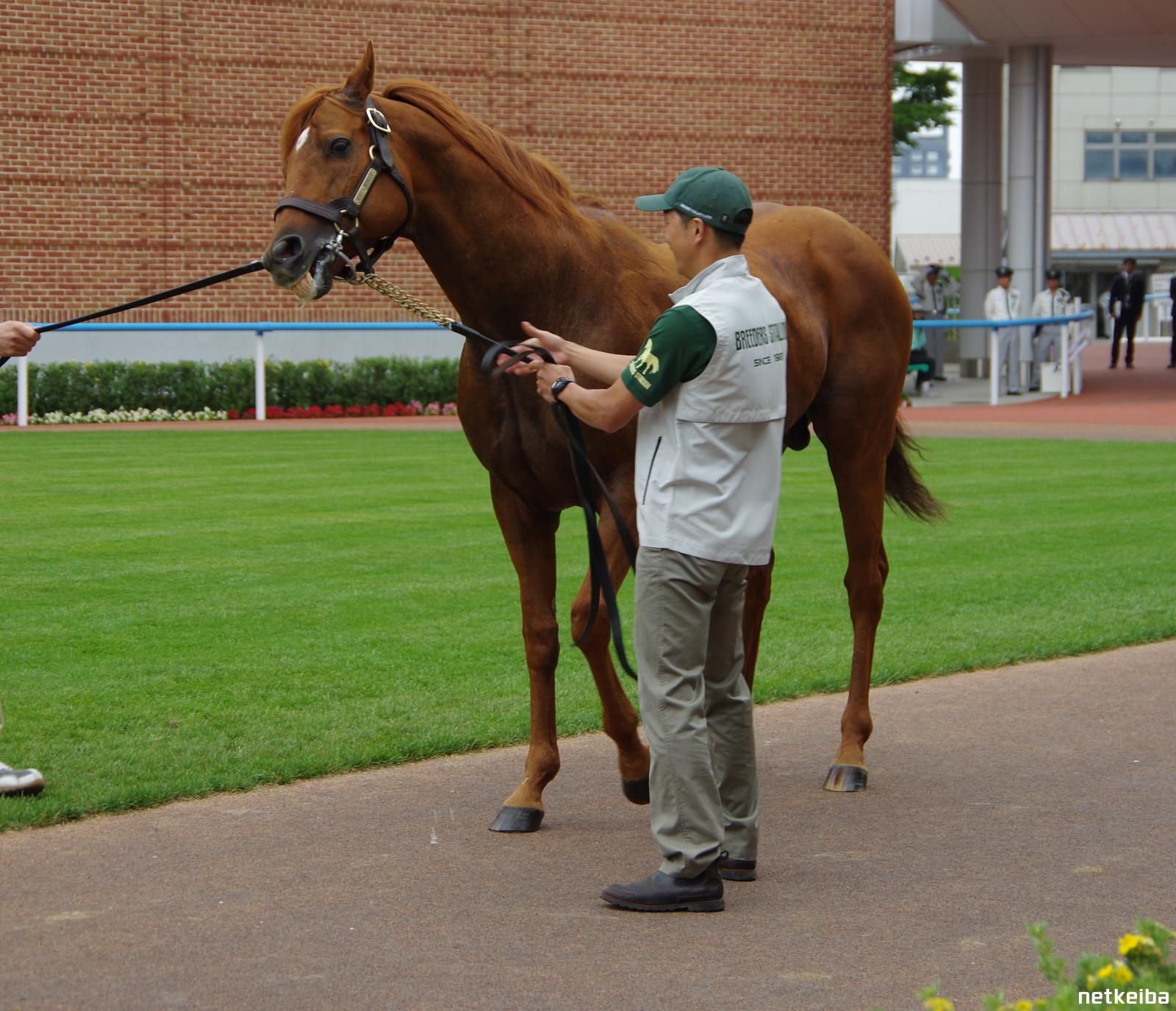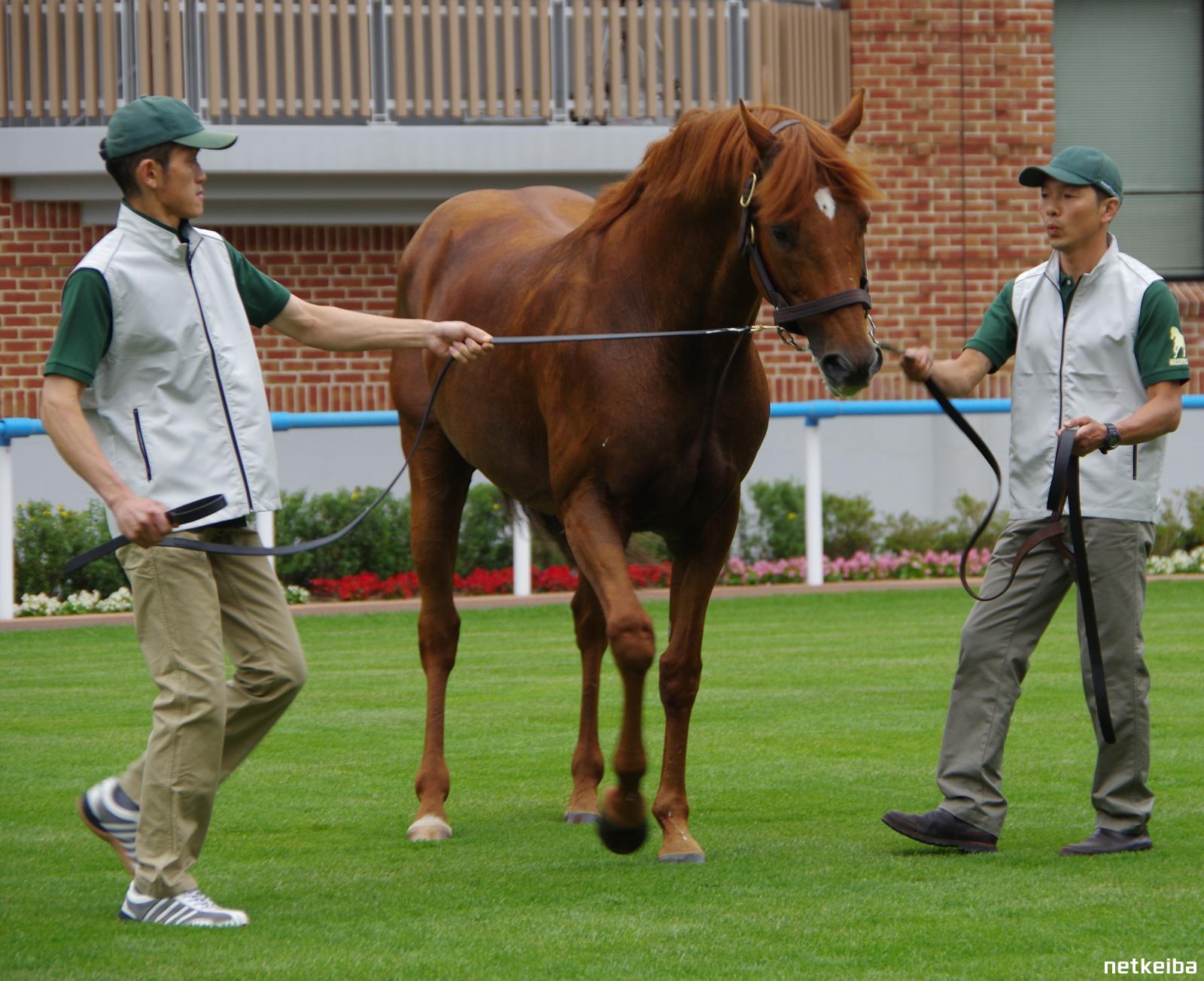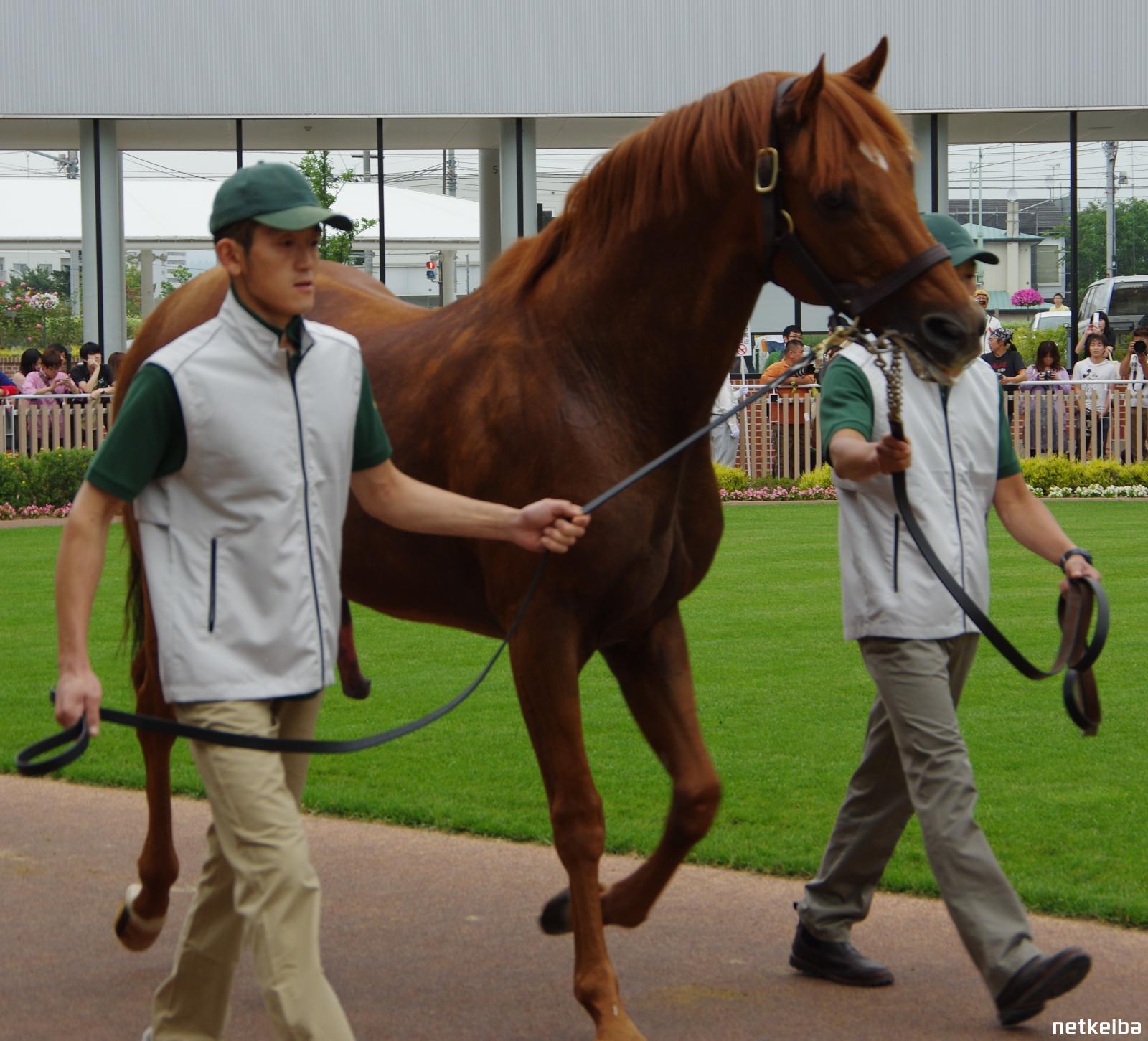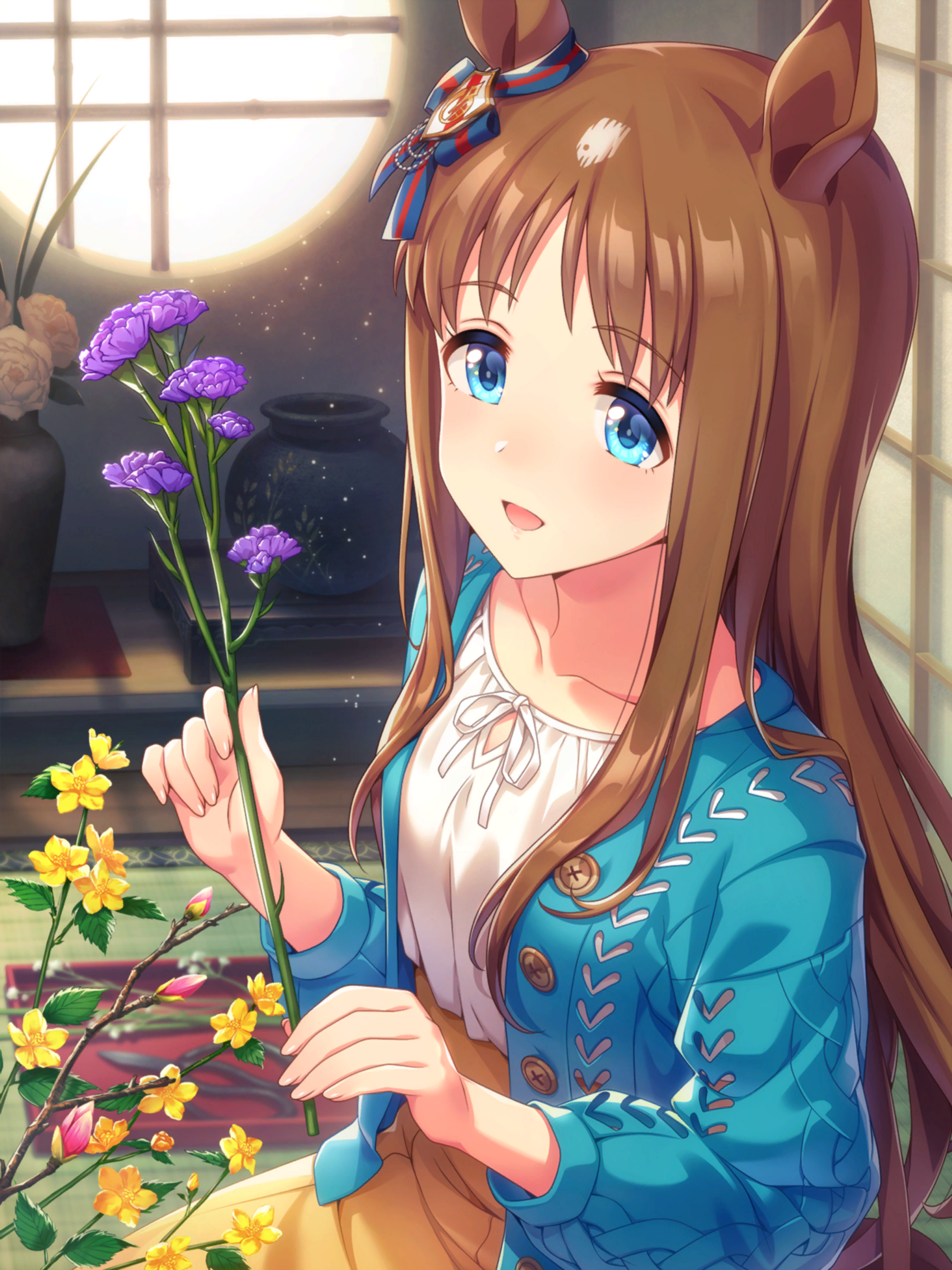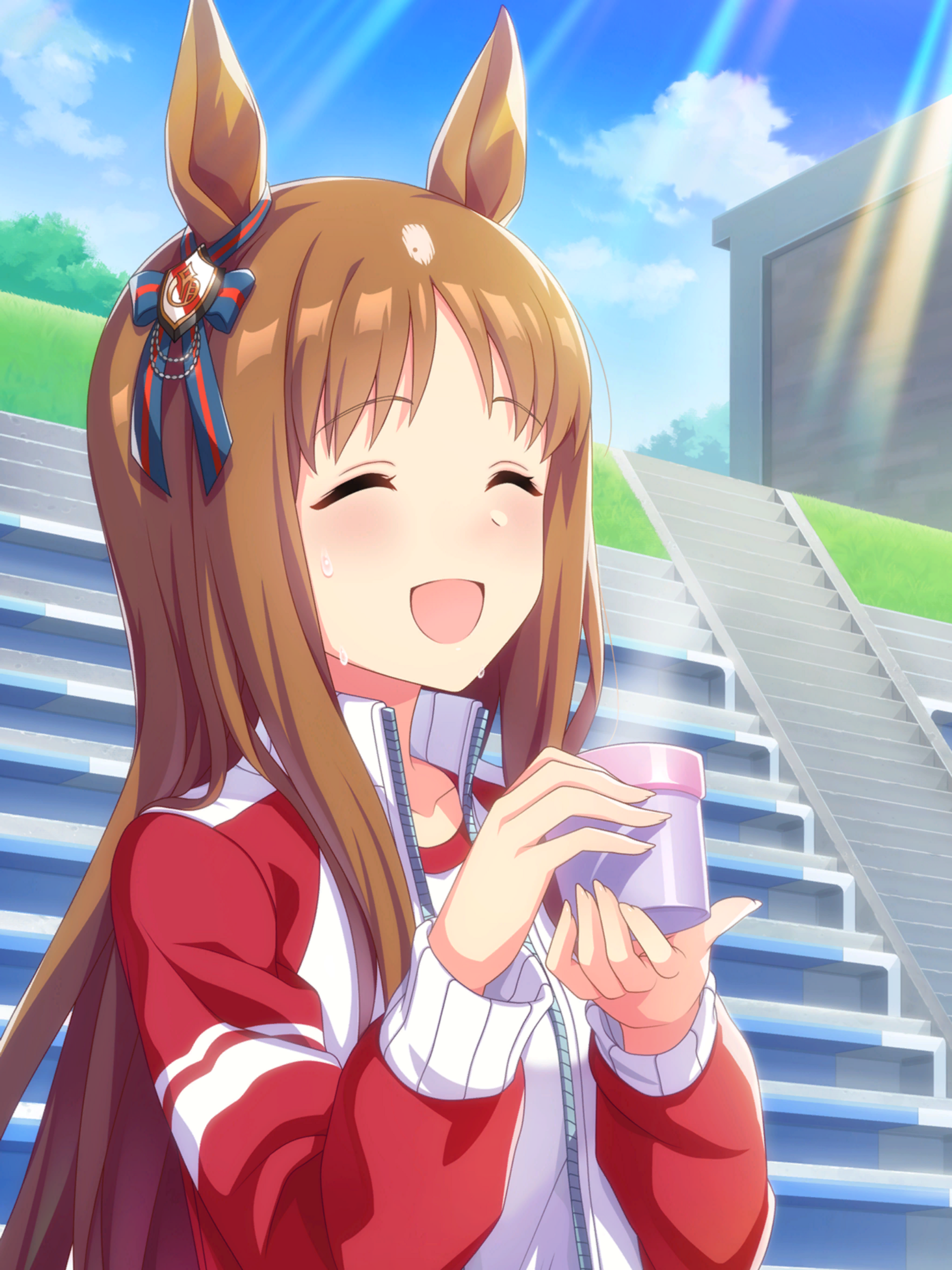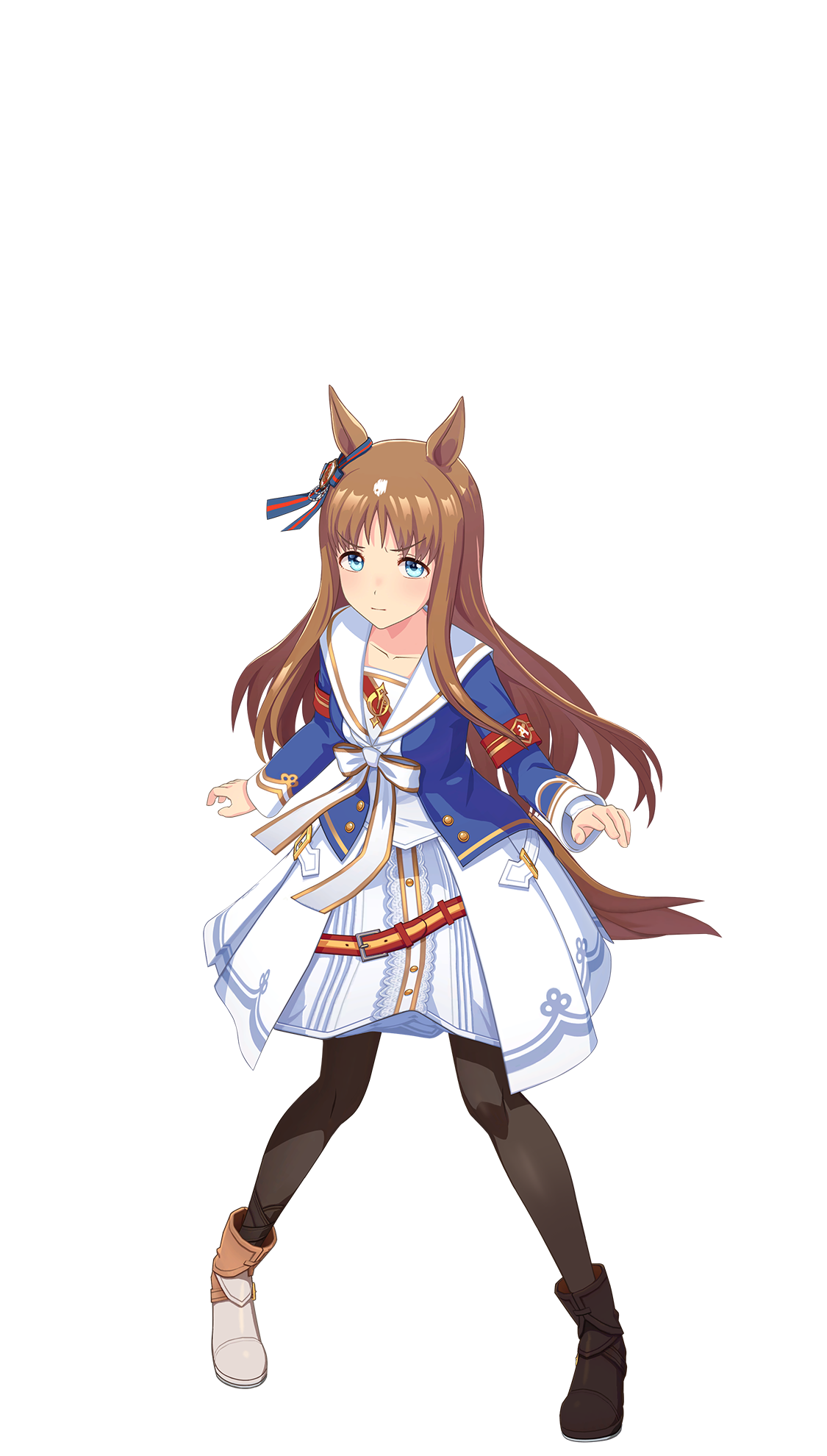
Grass Wonder was one of the standout imported stars of late-1990s Japanese racing: a chestnut stallion foaled in the United States on 18 February 1995, bred by Phillips Racing Partnership & John Phillips and raced in Japan for Hanzawa Co., Ltd. Trained at Miho by Mitsuhiro Ogata, he brought an international pedigree to the JRA, being by Silver Hawk out of Ameriflora, a daughter of Danzig. That background was strong on paper, and in Japan he fulfilled it with top-level success.
His rise was immediate at two. Grass Wonder went unbeaten in four starts in 1997, capturing the Keisei Hai Sansai Stakes and then the Asahi Hai Sansai Stakes, performances that secured him the title of Japanese Champion 2-Year-Old Colt. For a horse imported from the United States, that early dominance gave him a distinctive place in the period, marking him out as more than just a well-bred foreign-bred runner.
At three, he added the 1998 Arima Kinen, one of Japan’s most prestigious races, to confirm himself at the highest level. If that established him, his four-year-old season in 1999 cemented his reputation. He won the Keio Hai Spring Cup, Takarazuka Kinen, and Mainichi Okan before returning to take the Arima Kinen for a second time. That campaign earned him a JRA Special Award, and it stands as the peak of a career that combined brilliance at two with major all-aged success later on.
Overall, Grass Wonder compiled a record of 15 starts for 9 wins and earnings of ¥691,646,000. His year-by-year figures show how concentrated his excellence was: unbeaten as a juvenile, a major breakthrough at three, and then a dominant 1999 season with four wins from five starts. He raced on in 2000 without adding to his win total, but by then his place among the notable Japanese-based runners of his era was already secure.
After retirement, Grass Wonder entered stud, standing first at Shadai Stallion Station in Hokkaido and later at Breeders' Stallion Station. He became the sire of notable runners including Sakura Mega Wonder, Screen Hero, and Earnestly, extending his influence beyond his own racing days. He died on 8 August 2025, closing the story of a horse remembered for his imported pedigree, championship juvenile season, and rare feat of winning the Arima Kinen twice.
Sources