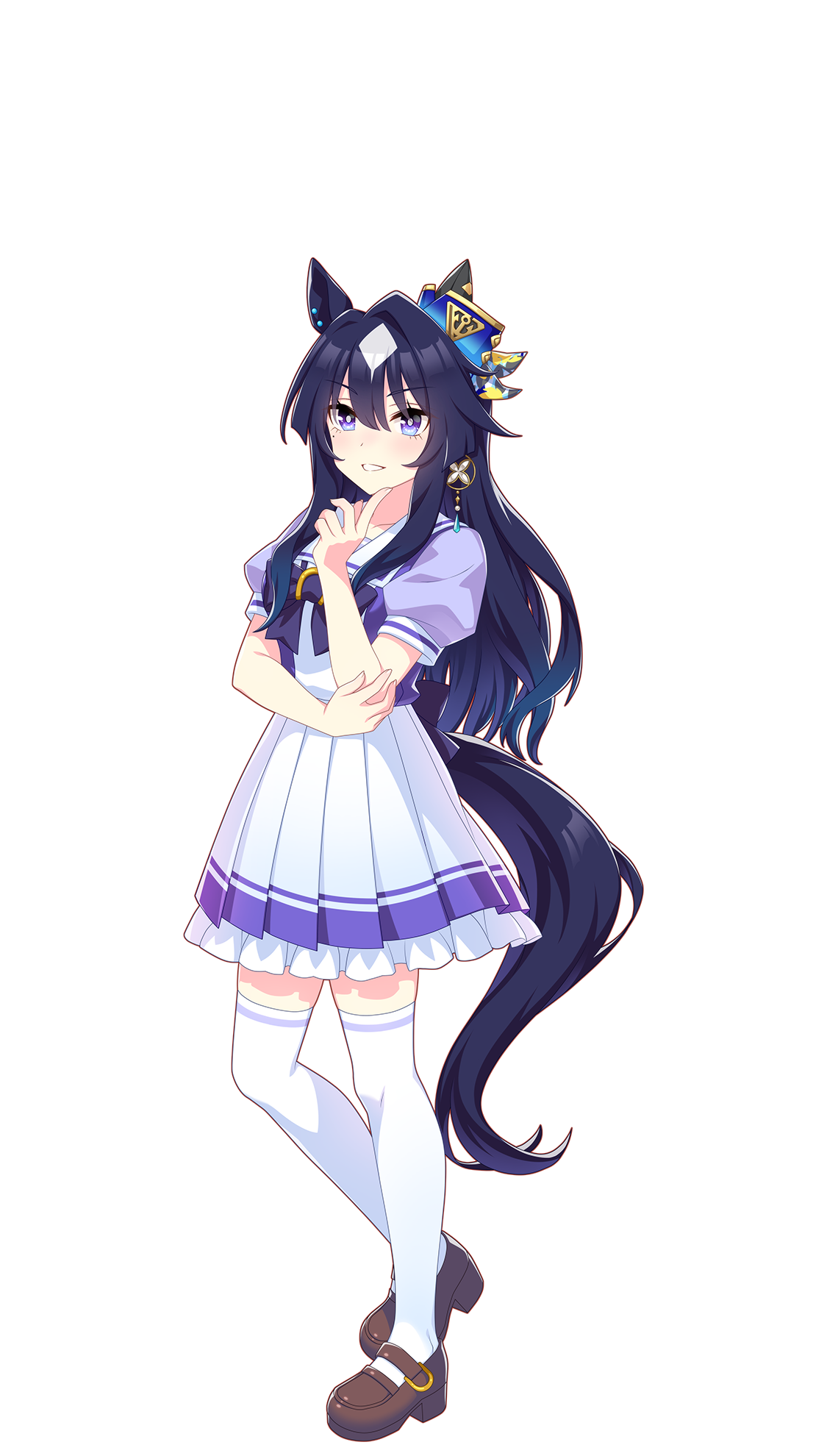
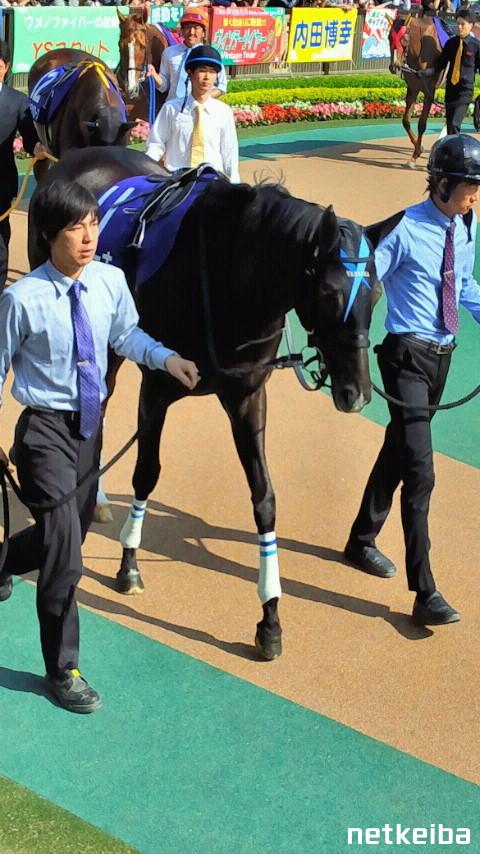
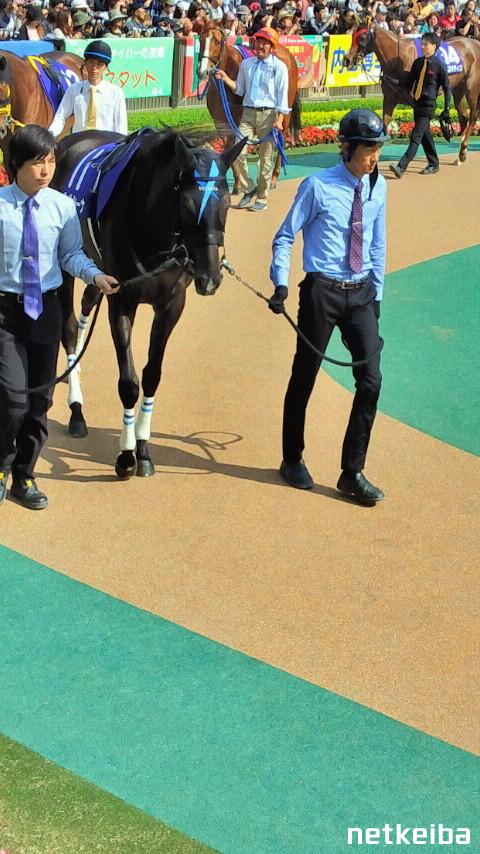
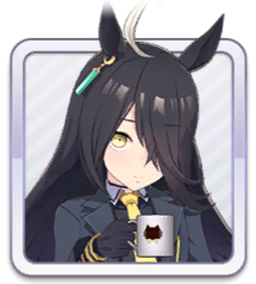
Verxina was a top-class Japanese mare of the 2010s, a black daughter of Deep Impact out of Halwa Sweet by Machiavellian. Foaled on 5 March 2009, she was bred by Northern Farm in Hokkaido, raced in the colors of Kazuhiro Sasaki, and was trained from the Ritto center by Yasuo Tomomichi. Her pedigree combined one of Japan’s defining modern sires with a female line that would later become especially notable through her younger siblings.
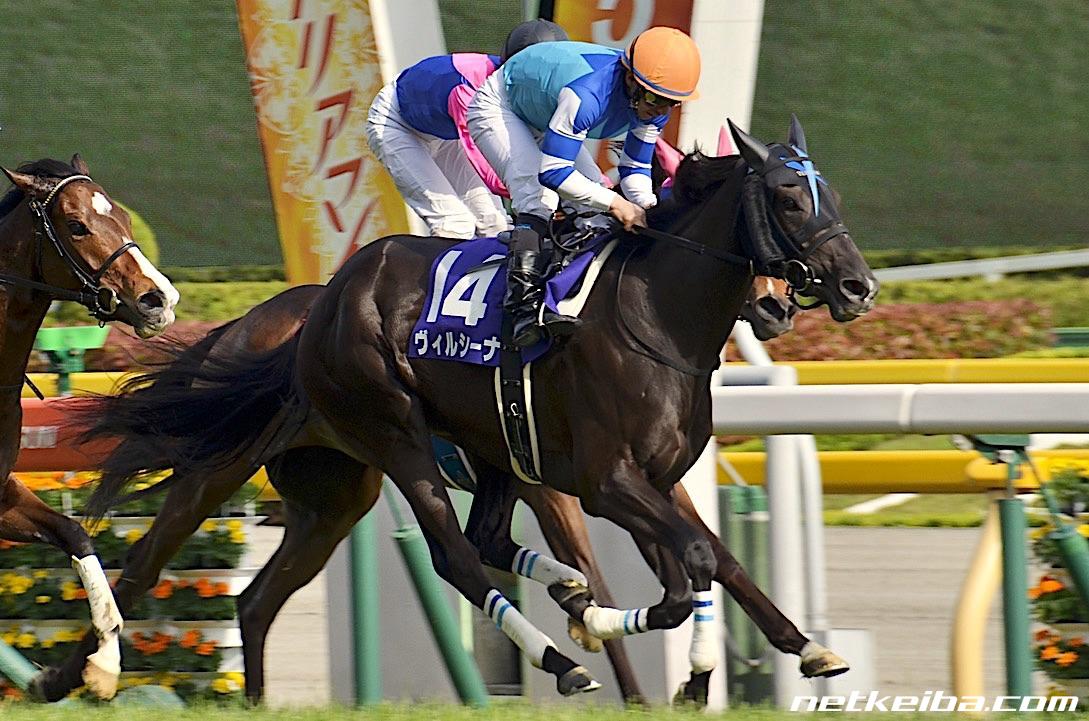
On the track, Verxina built a strong and durable record of 21 starts for 5 wins, 5 seconds, and 2 thirds, earning ¥460,795,000. She showed high quality early, taking the Queen Cup in 2012, and developed into a specialist at around a mile. Her signature race was the Victoria Mile, where she captured her first top-level success in 2013 and returned to win the same race again in 2014, making herself one of the standout older mares of her generation.
Those back-to-back Victoria Mile victories defined her place in Japanese racing history. Winning a major mile championship once marks a mare out; doing it in consecutive years gave Verxina a more lasting distinction. In a competitive era, she proved that she could remain at the top over more than one season, and her consistency is reflected not only in her major wins but also in the depth of her overall earnings and record.
Her family has only added to her significance with time. Verxina is a maternal sibling to Cheval Grand, later winner of the 2017 Japan Cup, and Vivlos, winner of the 2016 Shuka Sho. That makes her part of one of the more accomplished modern Japanese families, with elite performers emerging from the same dam, Halwa Sweet. Seen in that light, Verxina was not just an excellent race mare in her own right, but also an important early standard-bearer for a family that continued to produce major winners.
After racing, she retired with her reputation secure as a multiple G1-winning mare, a dependable high earner, and a distinguished representative of the Deep Impact line. Her legacy rests on those repeat Victoria Mile triumphs and on her place within a remarkable Northern Farm-bred family that also produced other major Japanese stars.
Sources