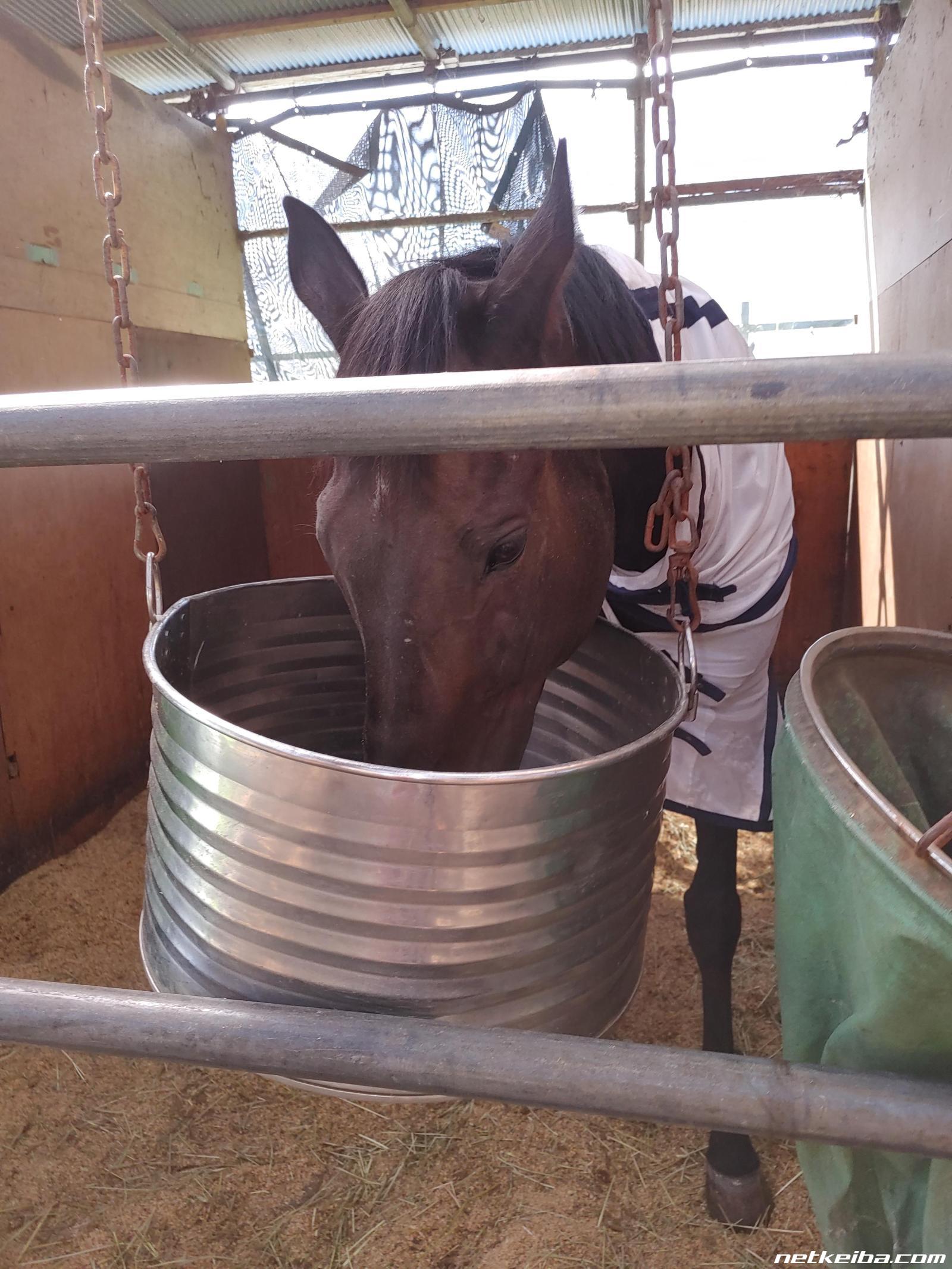
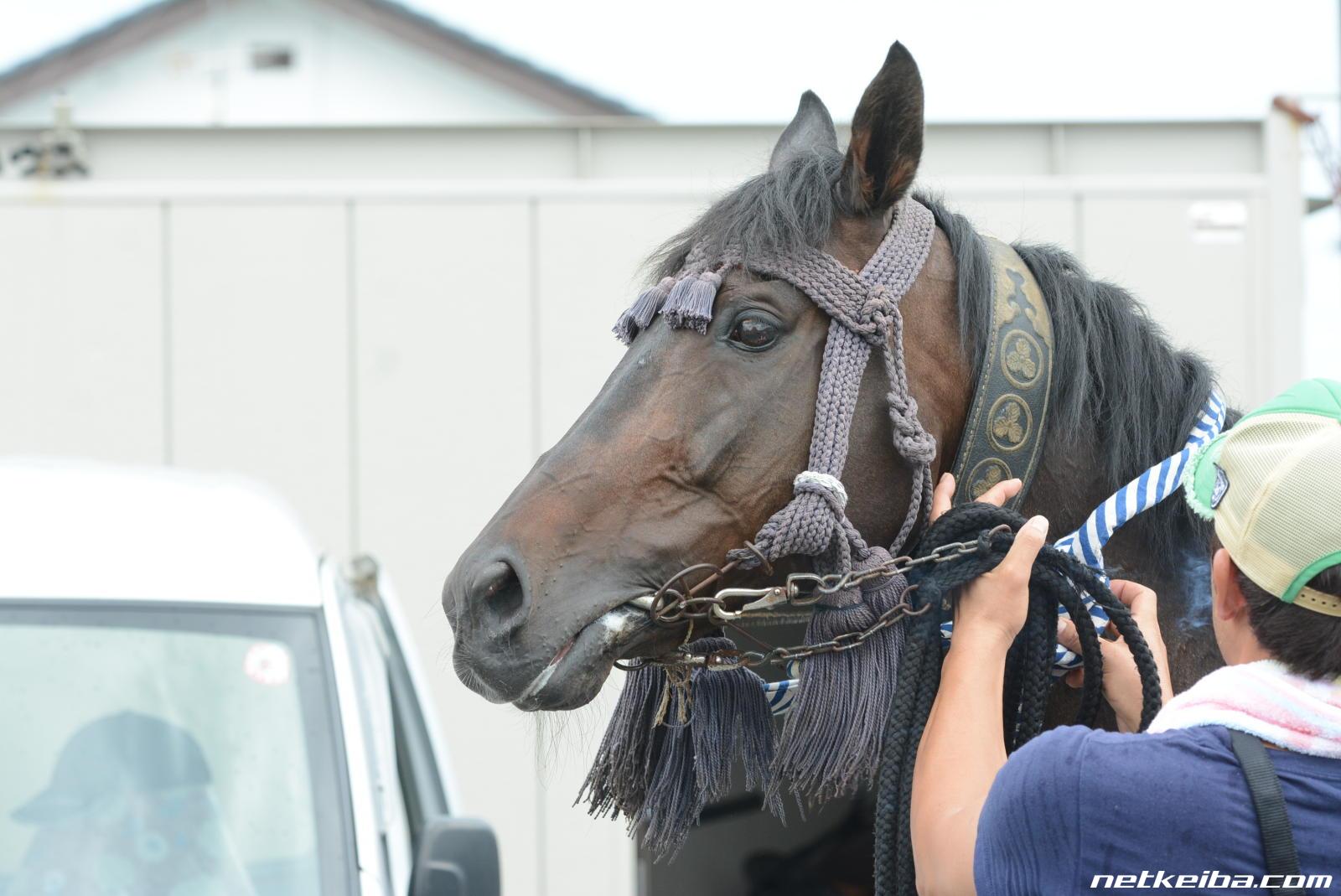
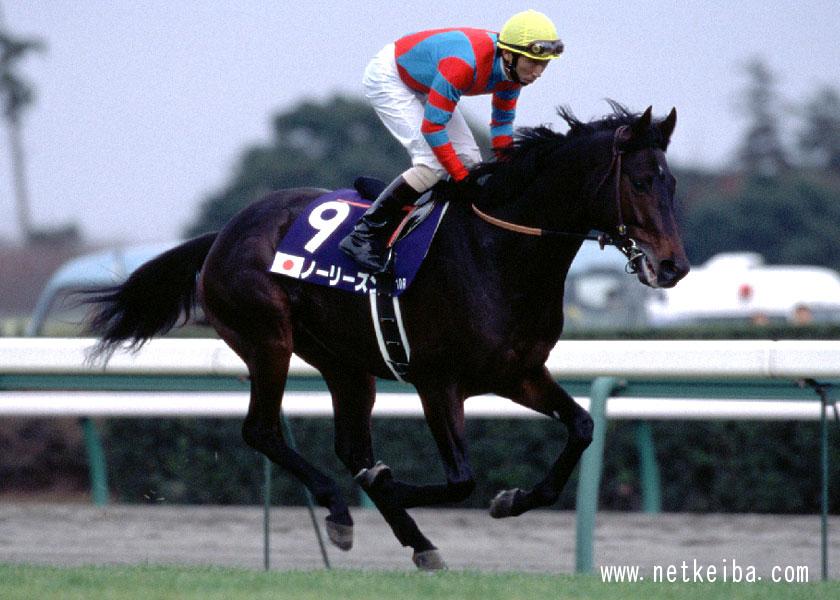
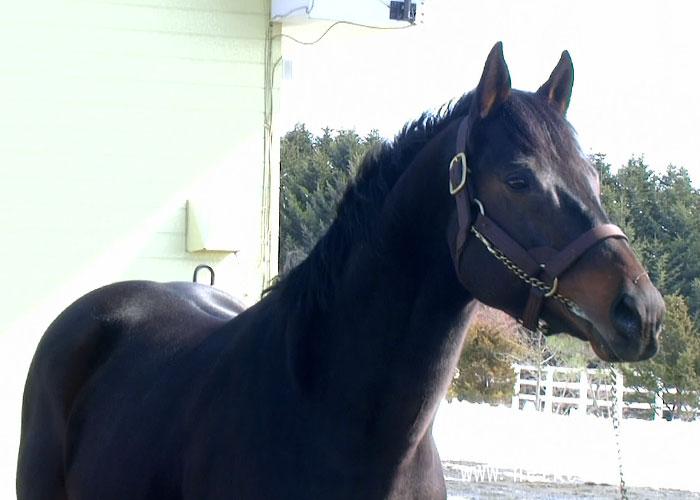
No Reason was a bay Japanese stallion of the early 2000s whose name is chiefly remembered for one of the season’s most important Classic prizes. Foaled on 4 June 1999, he was bred by North Hills Management, raced in the colours of Shinji Maeda, and was trained at Ritto by Yasuo Ikee. His career earnings in the JRA reached ¥186.02 million.
He was a son of Brian's Time out of Ambrosine, a mare by the influential Mr. Prospector, giving him a pedigree that blended established international bloodlines with a major Japanese sire line. No Reason also came from a productive family: his siblings included Great Journey, along with Saint Amour and Rosmarinus. That background helps place him not simply as a one-off Classic winner, but as part of a broader black-type-producing family.
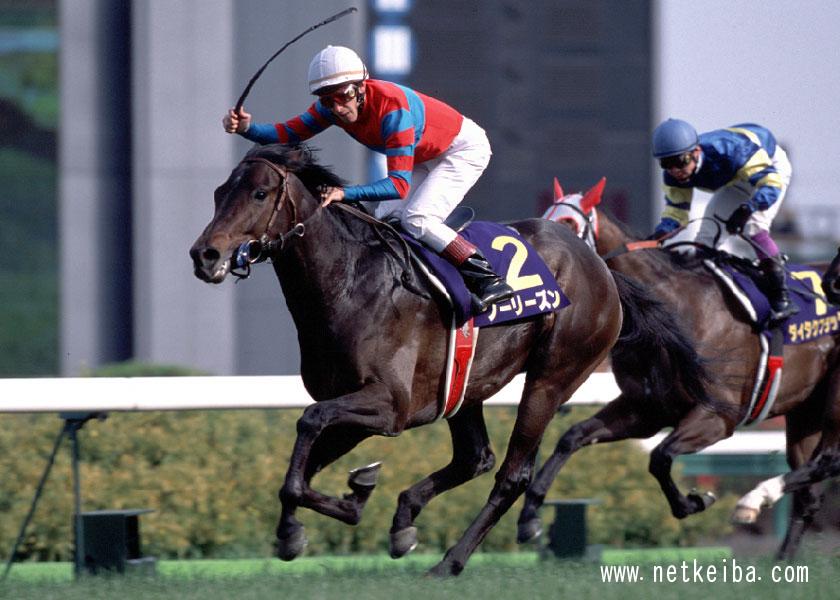
On the track, No Reason made his lasting mark as a middle-distance colt with a top-level peak at three. His signature achievement came in 2002, when he won the Satsuki Sho (Japanese 2000 Guineas), one of Japan’s central Classic races and the opening leg of the Japanese Triple Crown for colts. Any horse that captures the Satsuki Sho secures a permanent place in the country's racing record, and that victory defines No Reason’s historical standing.
His career is also remembered for one of the most unusual incidents in Japanese Classic racing. In the 2002 Kikuka Sho, the final leg of the Japanese Triple Crown, No Reason unseated legendary jockey Yutaka Take immediately after the start. Instead of pulling up, the riderless colt continued around the course and completed much of the race without a jockey. The incident stunned spectators and quickly became one of the most talked-about moments of the season. While it prevented him from challenging for another Classic victory, the episode ensured that No Reason's name would remain familiar to racing fans for reasons beyond his Satsuki Sho triumph alone.
The contrast between his greatest success and his most famous mishap has become a defining part of his legacy. On one hand, he proved himself a genuine Classic winner capable of defeating the best of his generation. On the other, the extraordinary events of the Kikuka Sho produced one of the most memorable and unusual scenes in modern Japanese racing history.
Although the available record here is more concise than for some better-documented champions, the broad arc of his career is still clear. He retired having achieved the distinction that matters most in any era: he proved himself a Grade 1 winner and a Classic winner on one of Japan’s biggest stages. For many horses, that single triumph would be enough to anchor a reputation; for No Reason, it remains the performance by which he is remembered.
In retrospect, No Reason stands as a representative early-2000s Japanese Classic colt: well bred, carefully placed by a prominent owner-breeder network, and capable of reaching the very top in his generation. His Satsuki Sho win ensures that his name remains tied to the roll of honour of Japanese racing, even if his public profile today is quieter than some of his contemporaries.
Sources