Foaled1985-03-28
Died2002-06-18
SexStallion
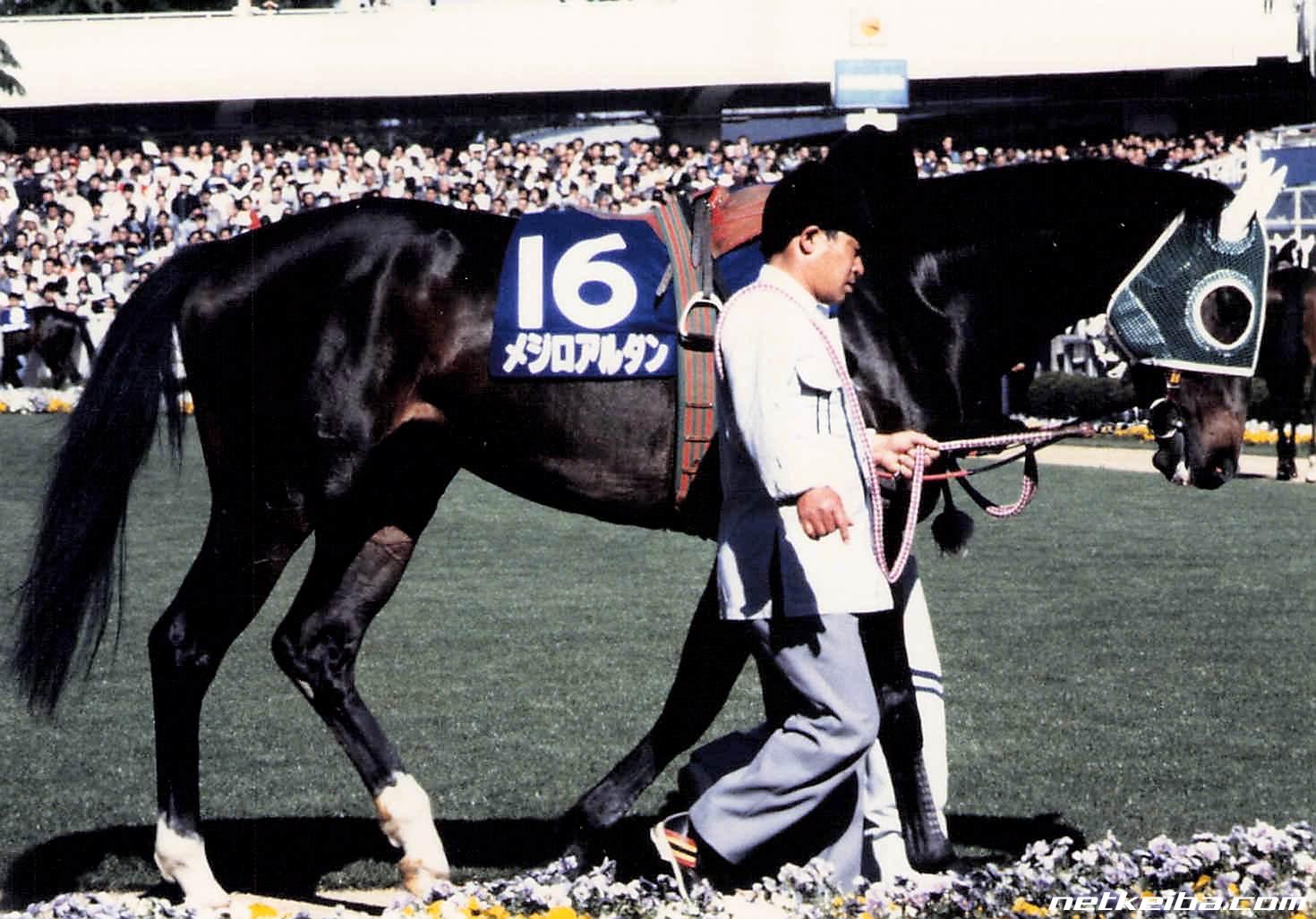
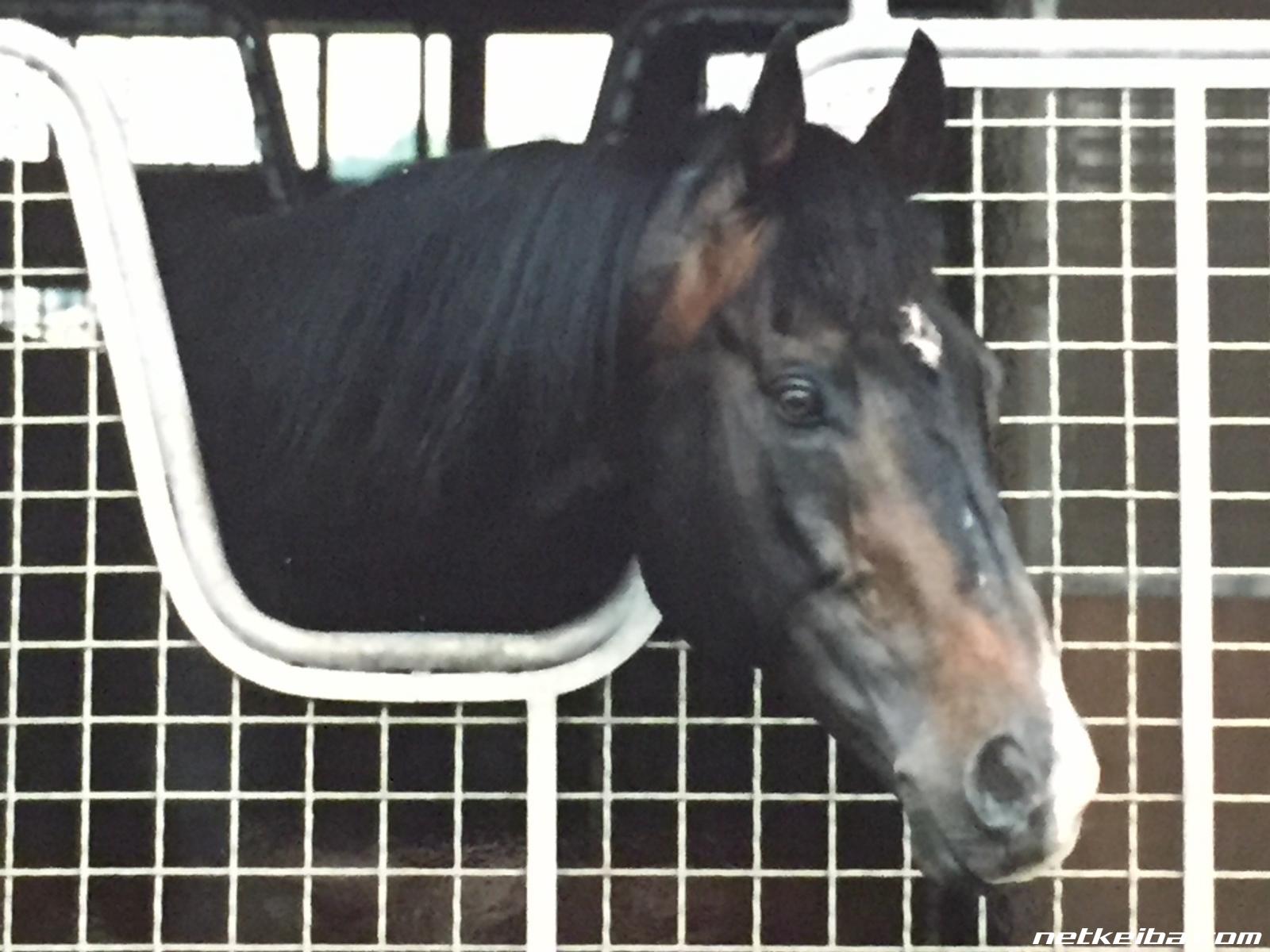
ColourDark Bay
TrainerShinji Okuhira
OwnerMejiro B.
BreederMejiro Stud
SireAswan
DamMejiro Hiryu
DamsireNever Beat
Record14 starts: 4-3-2
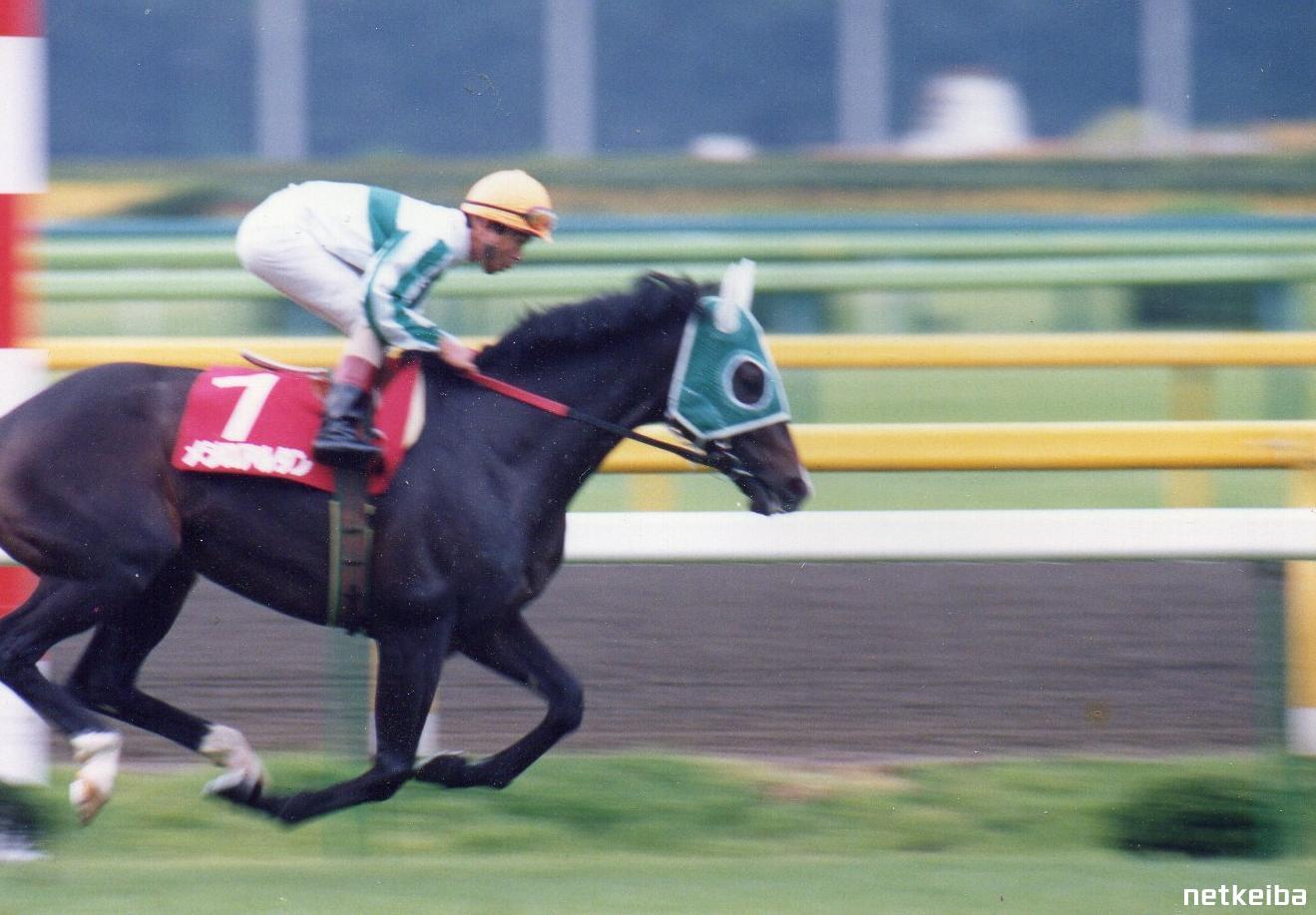
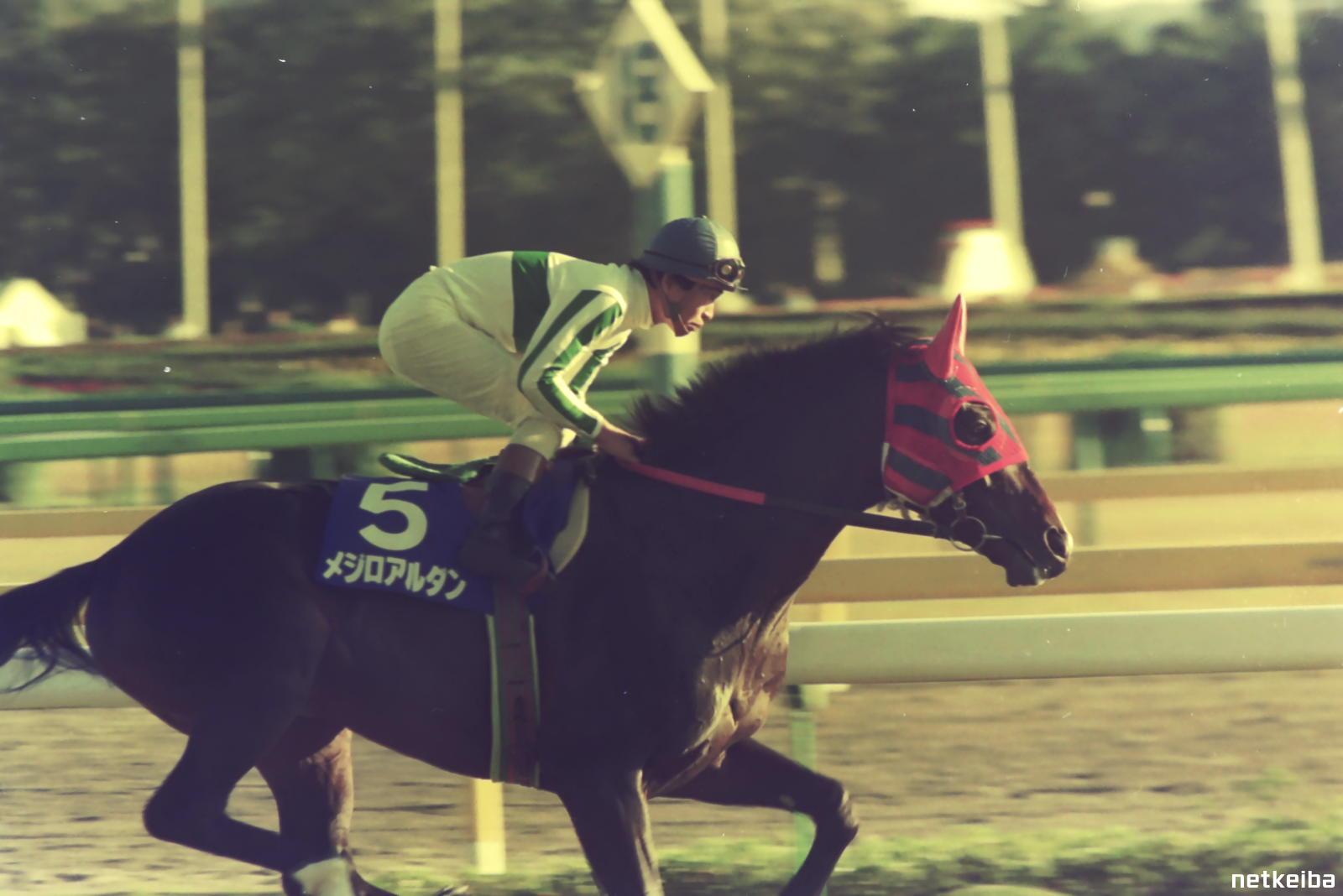
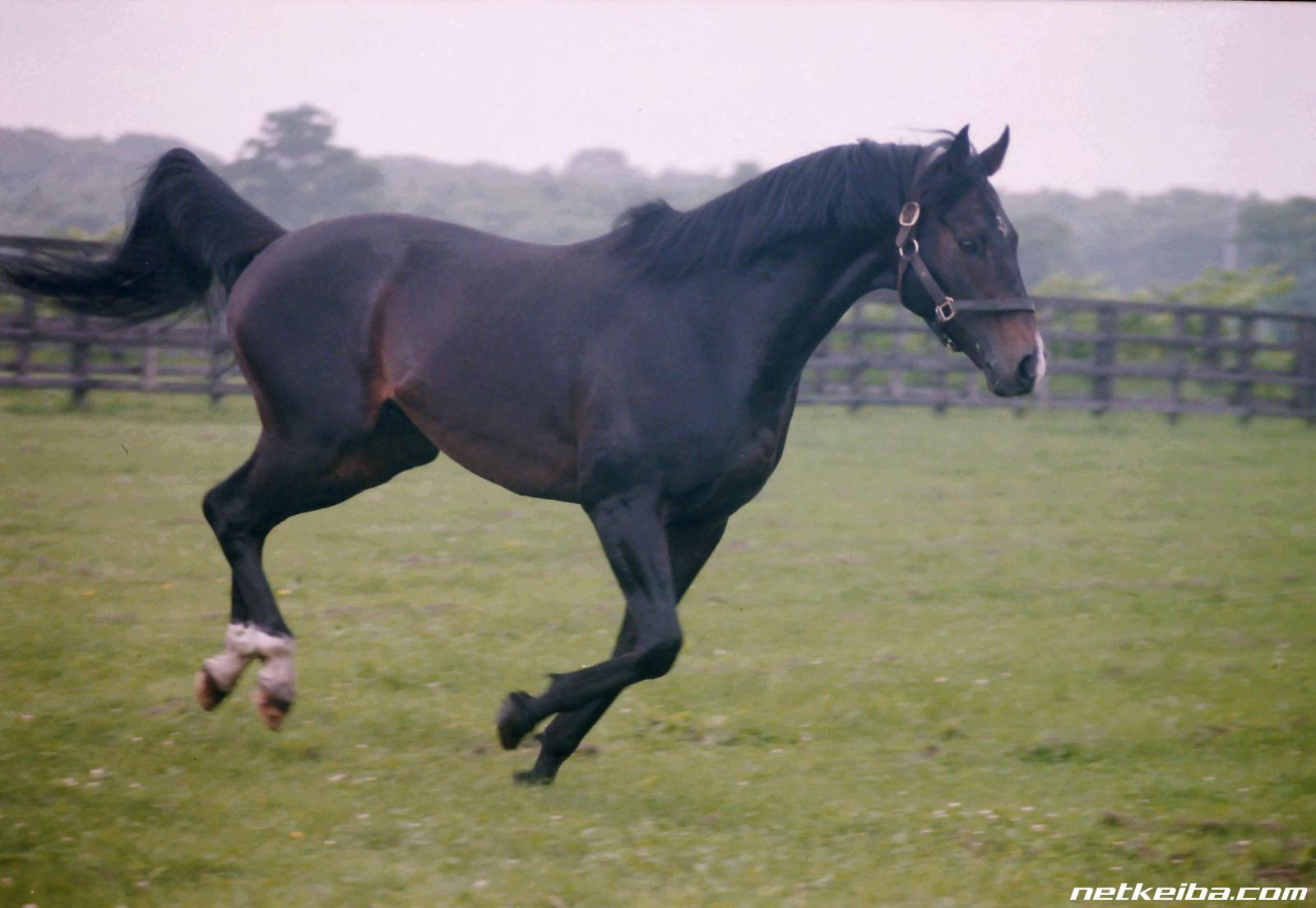
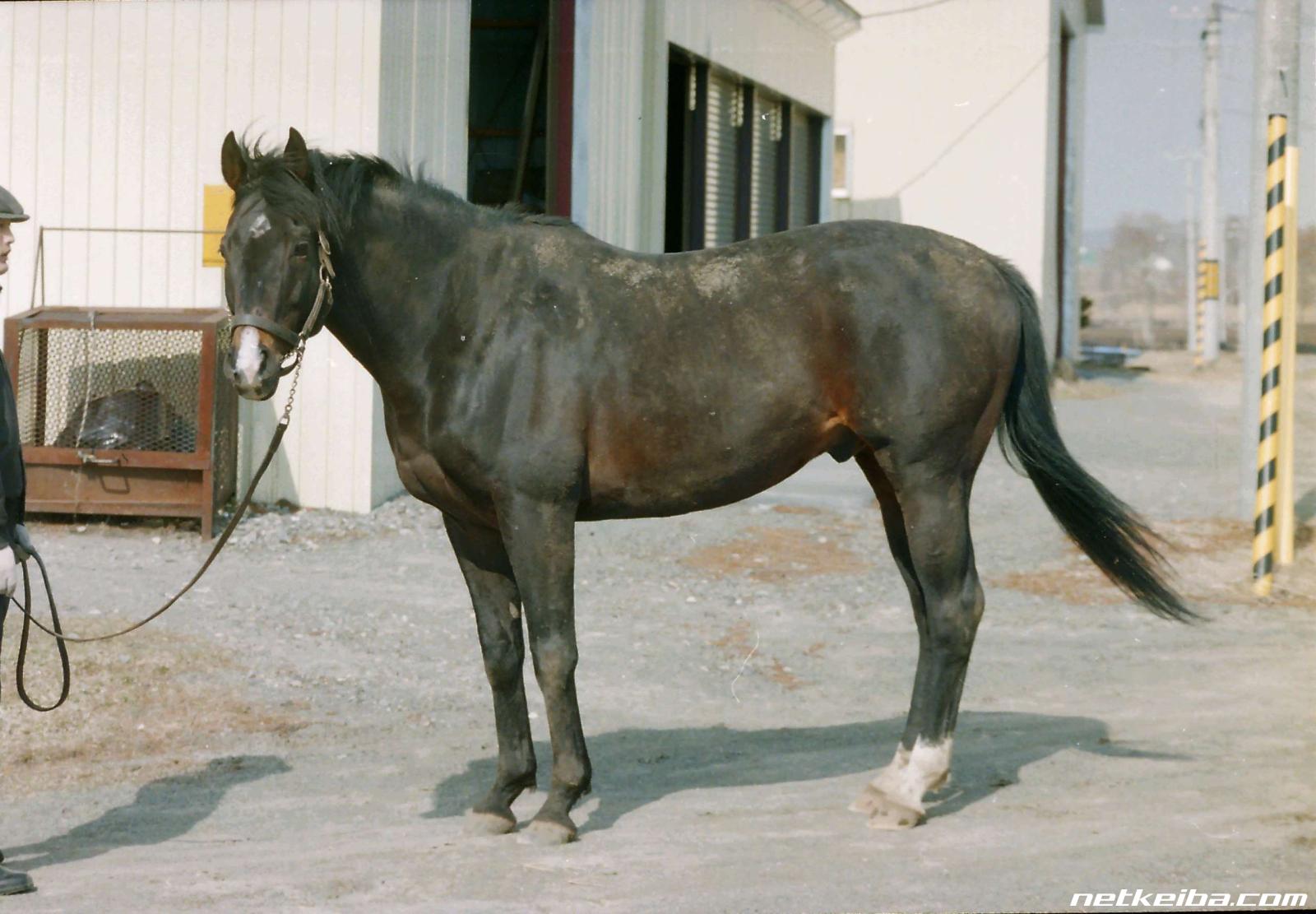
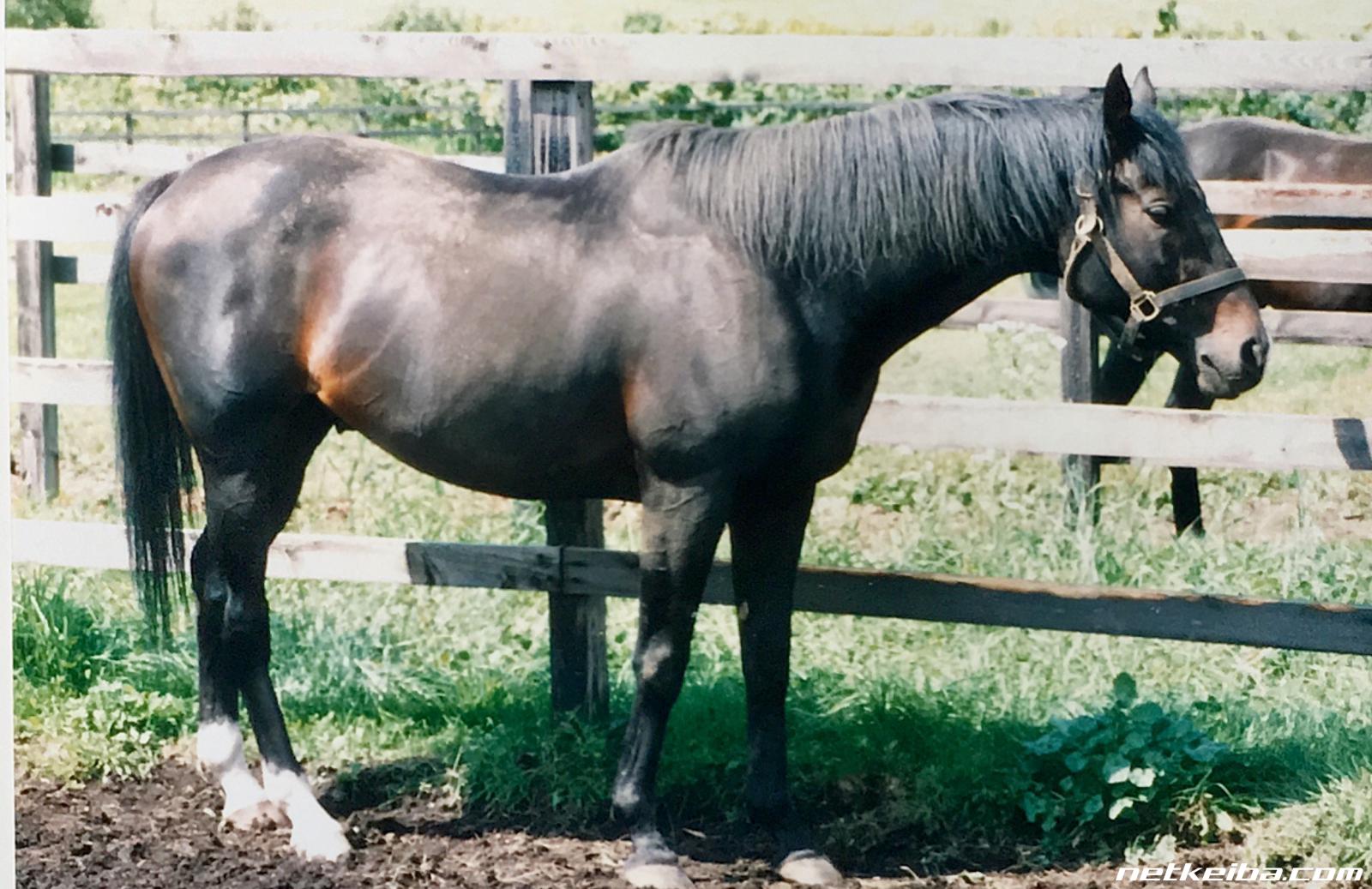
Mejiro Ardan was a dark bay Japanese stallion foaled on 28 March 1985, bred by Mejiro Stud and raced in the colours of Mejiro B. He was trained at Miho by Shinji Okuhira, and belonged to the well-known Mejiro family, one of the era’s most recognisable breeding and ownership operations. In pedigree he was by Aswan out of Mejiro Hiryu, by Never Beat, placing him in a distinguished domestic female line.
That background was especially notable because Mejiro Ardan was a brother to Mejiro Ramonu, another prominent name from the same family. His pedigree linked imported and established Japanese blood, and he emerged from a branch of the Mejiro program that consistently produced high-class runners. Even before considering his own race record, he stood as part of a family that helped define the identity and ambition of the Mejiro stable in the 1980s.
On the track, Mejiro Ardan compiled a record of 14 starts for 4 wins, 3 seconds, and 2 thirds, earning more than ¥241 million in JRA prize money. His most important recorded victory came in the 1989 Takamatsunomiya Hai. Although the surviving source material does not present a long list of major wins or awards, his earnings and overall record show that he competed successfully at a high level and carved out a meaningful place among late-1980s Japanese runners.
After retirement he entered stud duty, standing at Breeders Stallion Station. Later, in October 2000, he was transferred to China. His stud record in the supplied data shows 170 progeny and 28 JRA wins by his offspring, indicating that he remained part of the sport through a solid if not headline-making second career. Among the names associated with his descendants are Mejiro Steed, Gulfin Dream, and Wu Di.
Mejiro Ardan died on 18 June 2002. While he is not remembered chiefly as a dominant champion, he remains significant as a successful runner from an important Japanese family, a Takamatsunomiya Hai winner, and a representative of the Mejiro breeding tradition whose influence continued into retirement.
Sources