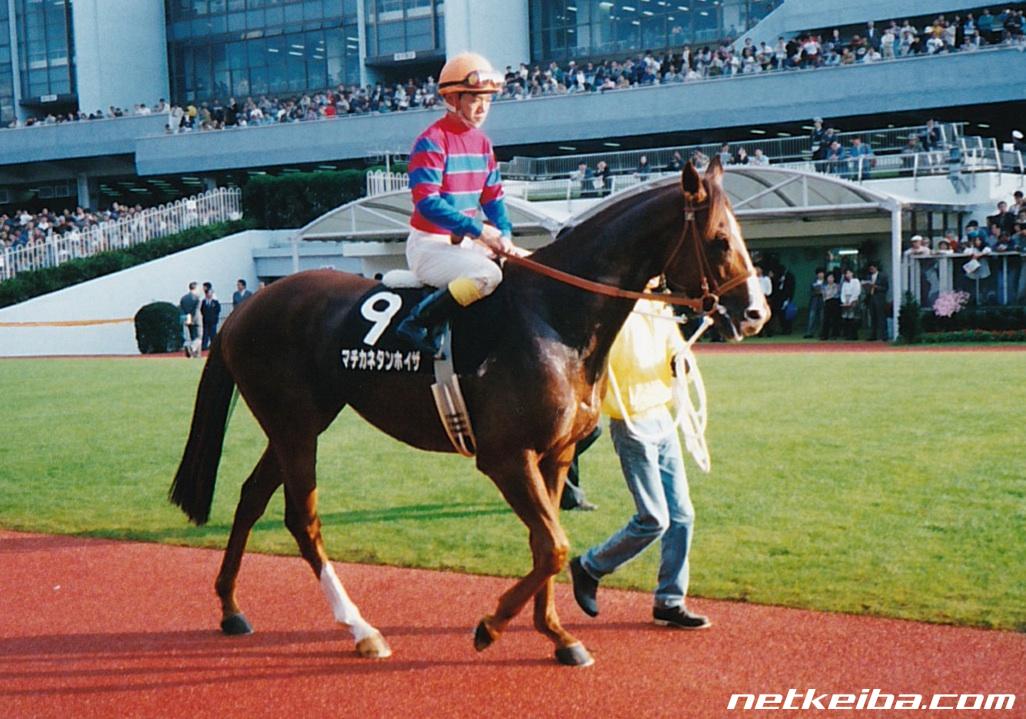
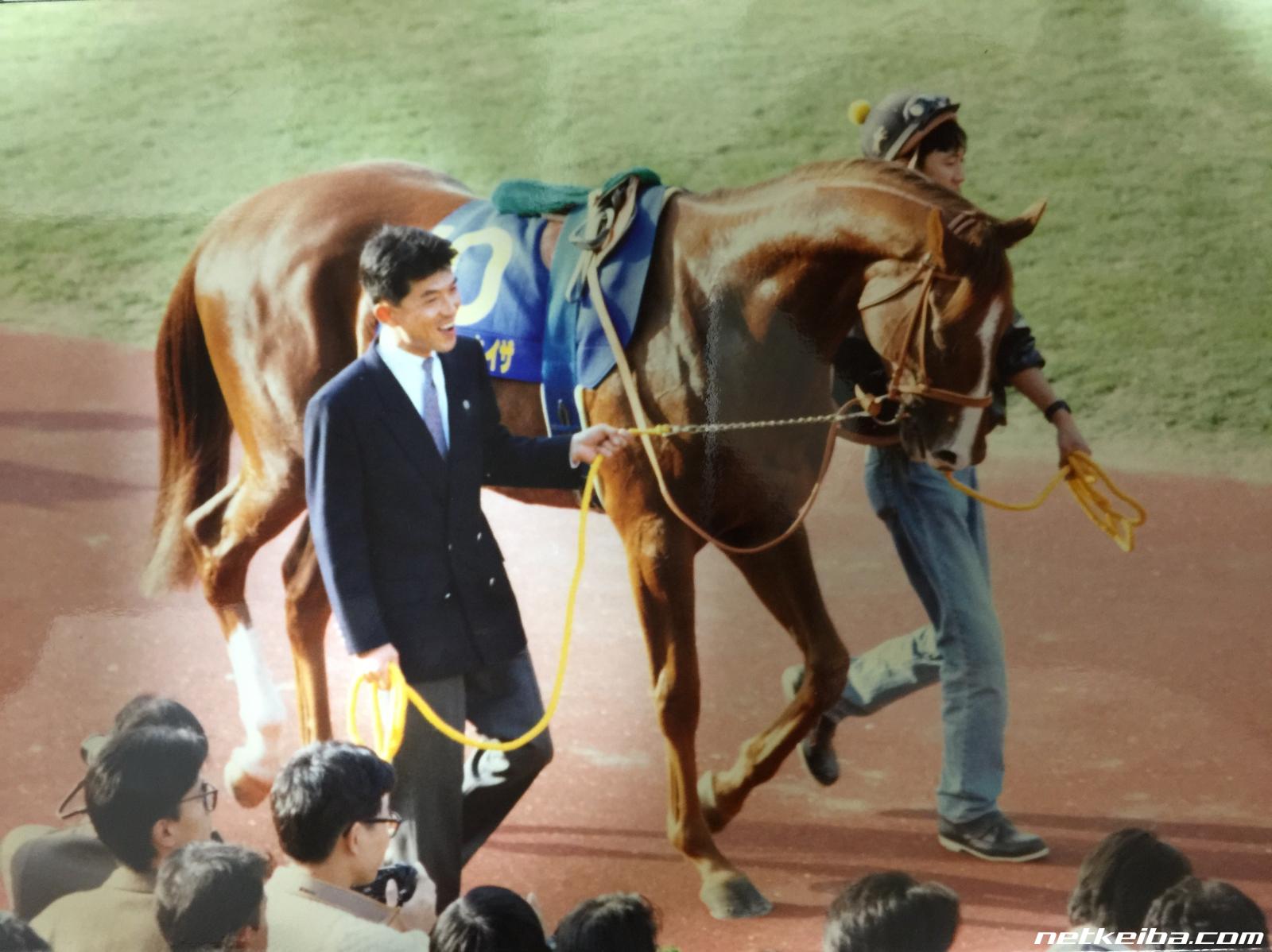
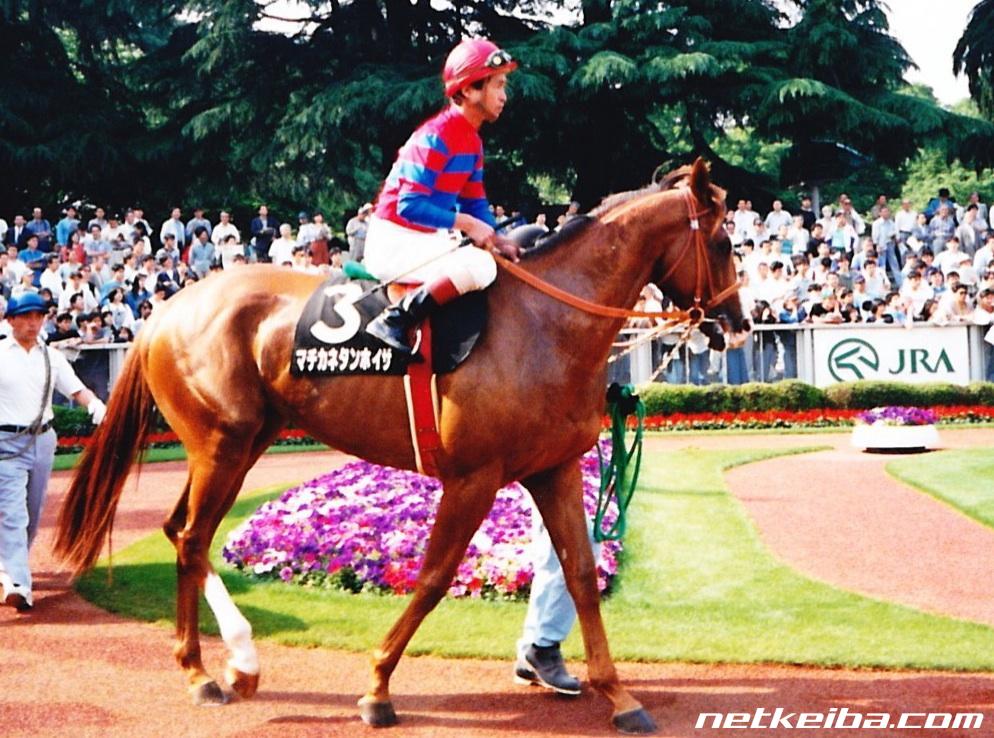
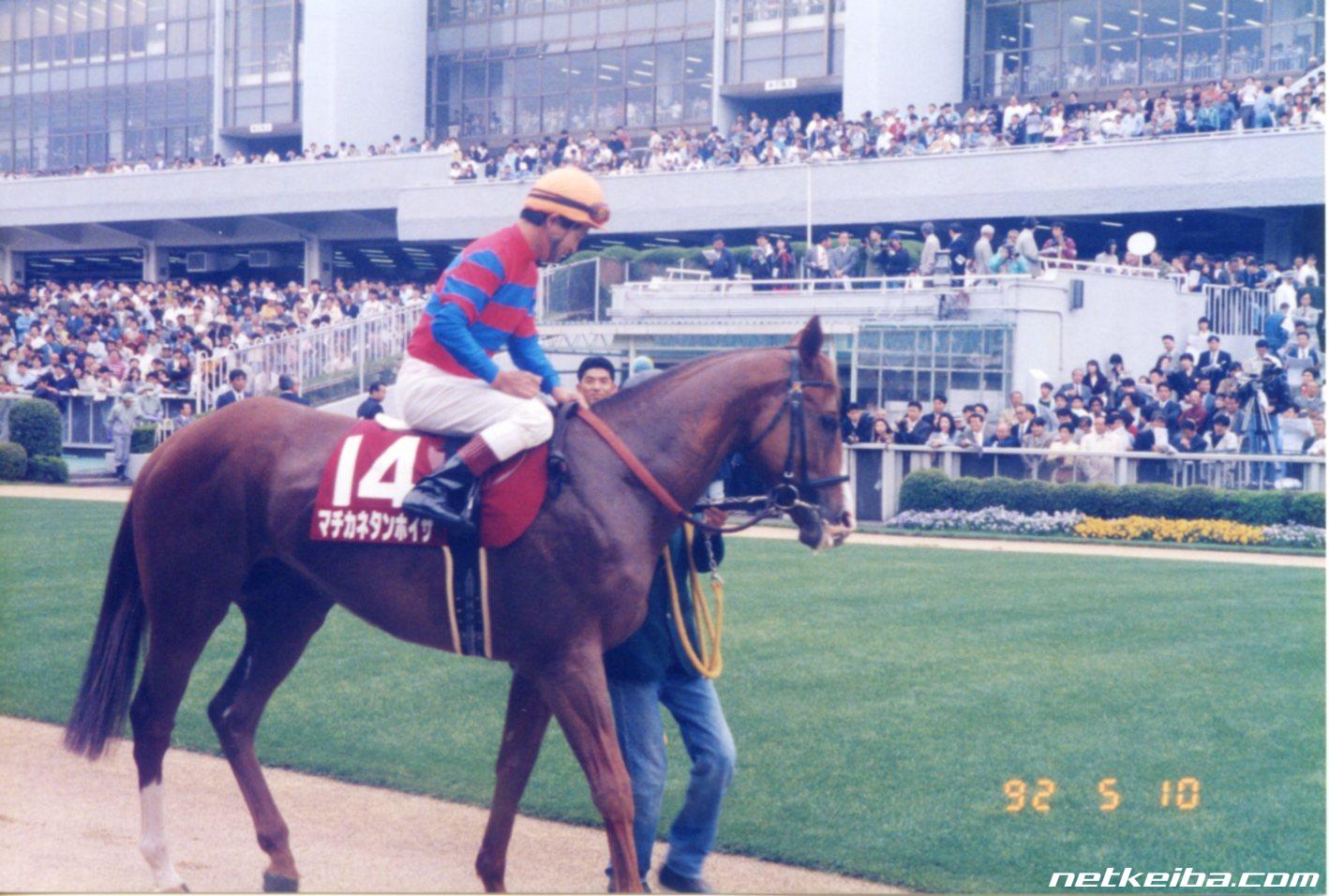
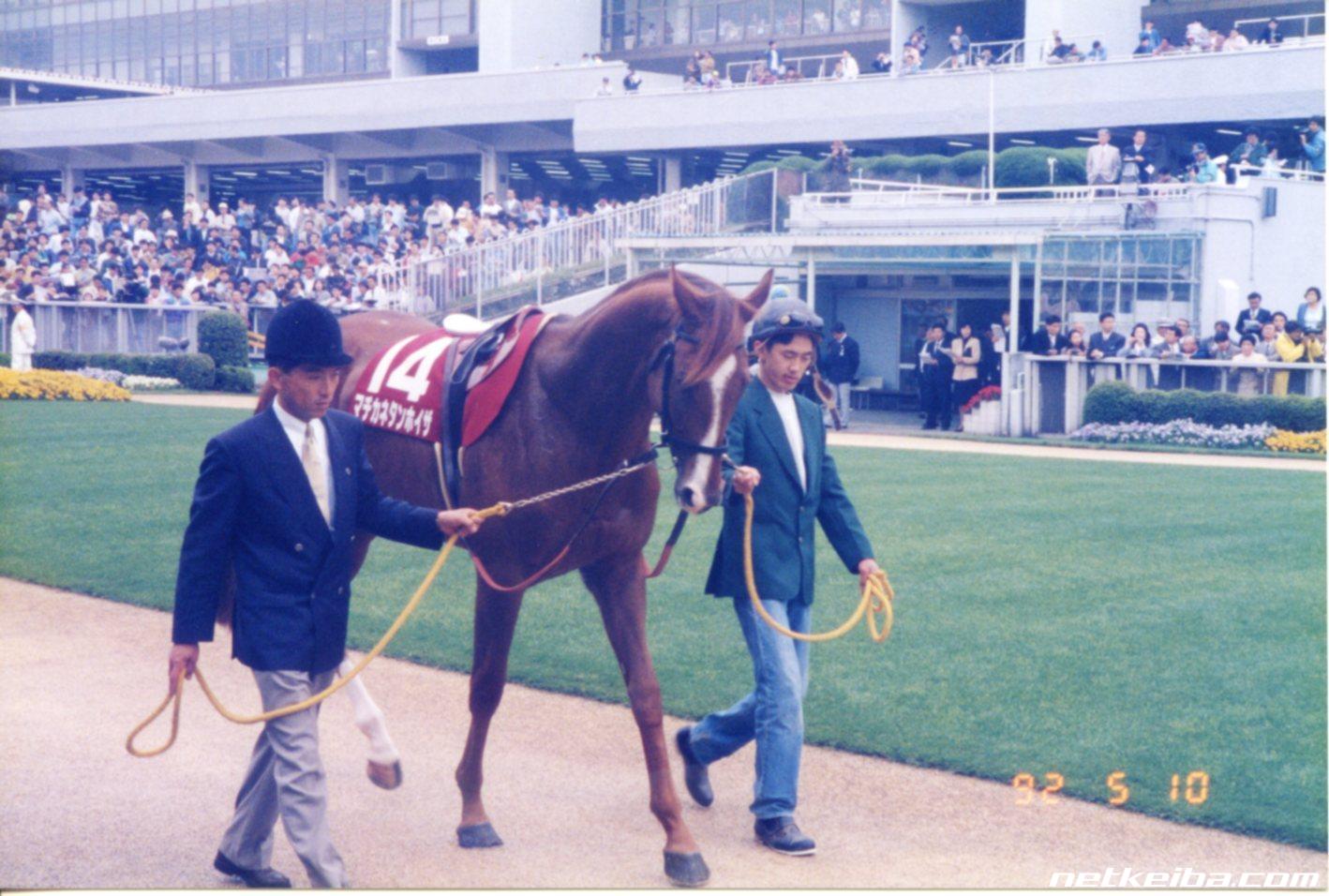
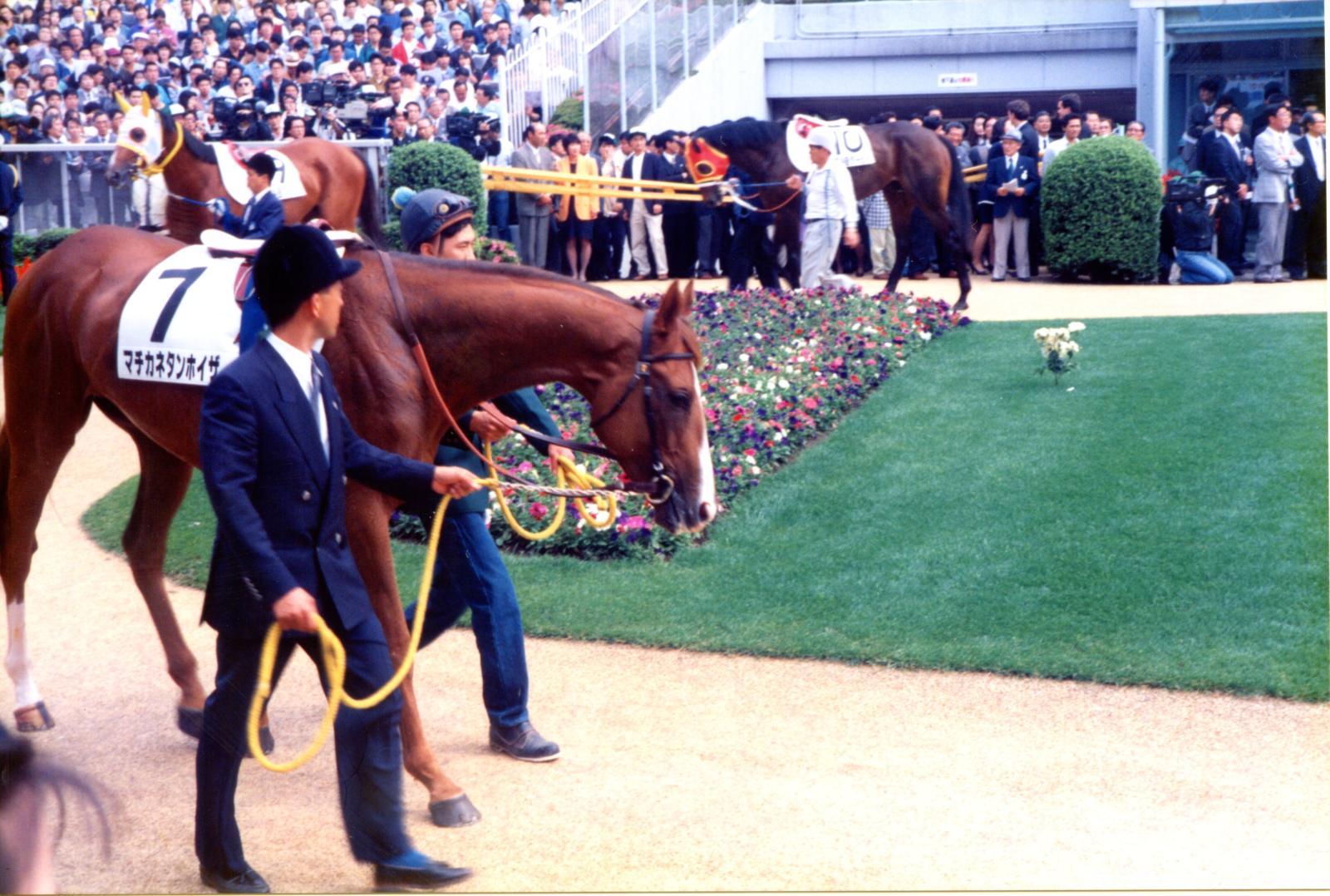
Matikanetannhauser, known in Japanese as マチカネタンホイザ, was a chestnut stallion of the 1990s whose popularity rested on both durability and top-level success. Foaled on 7 May 1989 and bred by Inahara Bokujo in Hokkaido, he raced for Masuo Hosokawa (listed in some records as M. Hosokawa) and was trained at Ritto by Yuji Ito. Over a 32-race career he compiled a record of 8 wins, 2 seconds and 2 thirds, earning more than ¥500 million.
He was by the influential sire Northern Taste out of Crippsii, a daughter of Arrow Express. That made him part of a family that also included Machikane Tristan, Matikane Otokoyama, and Coniston. The pedigree combined established Japanese class with a staying-oriented background, and Matikanetannhauser's race record reflected that versatility as he developed into a high-class performer across several seasons.
His best years came in the middle of the decade. He won the Meguro Kinen and Diamond Stakes in 1993, followed by the American Jockey Club Cup in 1994, before adding his top graded success in the 1995 Takamatsunomiya Hai (G2). Netkeiba lists that 1995 victory as his major win, and it stands as the signature success of a horse who consistently held his form in major company. By the time he retired, his JRA earnings were recorded at ¥507.21 million in one source, with another placing his total at ¥517,527,400.
Following his run in the Tenno Sho (Autumn), Matikanetannhauser was entered for both the Japan Cup and Arima Kinen in late 1994. However, he was withdrawn from the Japan Cup after suffering a nosebleed, and later from the Arima Kinen due to hives on his face. As neither race was started, they are excluded from his official record of 32 career starts.
Matikanetannhauser remained well remembered as one of those tough, recognizable Japanese campaigners whose career arc was built on repeated appearances in important races rather than a brief flash of brilliance. His name itself carried Hosokawa's familiar "Machikane" prefix, attached to "Tannhauser," giving him one of the more distinctive names on the racecourse of his era.
After racing he entered stud duty at Breeders Stallion Station. Across eight seasons he sired 45 foals; 41 raced and 27 became winners. Among the named runners from his stud career were Miyabi Gold, placed third in the Edelweiss Sho, and Kura Egao. Matikanetannhauser died on 7 December 2013, leaving behind the memory of a durable graded winner and a solid if modest second career as a stallion.
Sources