Foaled1985-04-11
Died2014-03-28
SexStallion
ColourChestnut
TrainerMitsuo Ogino
OwnerFuji
BreederMiyamura Bokujo
SireYamaninsky
DamTsurumi Star
DamsireYellow God
Record32 starts: 8-4-3
EarningsJPY 5242275.00
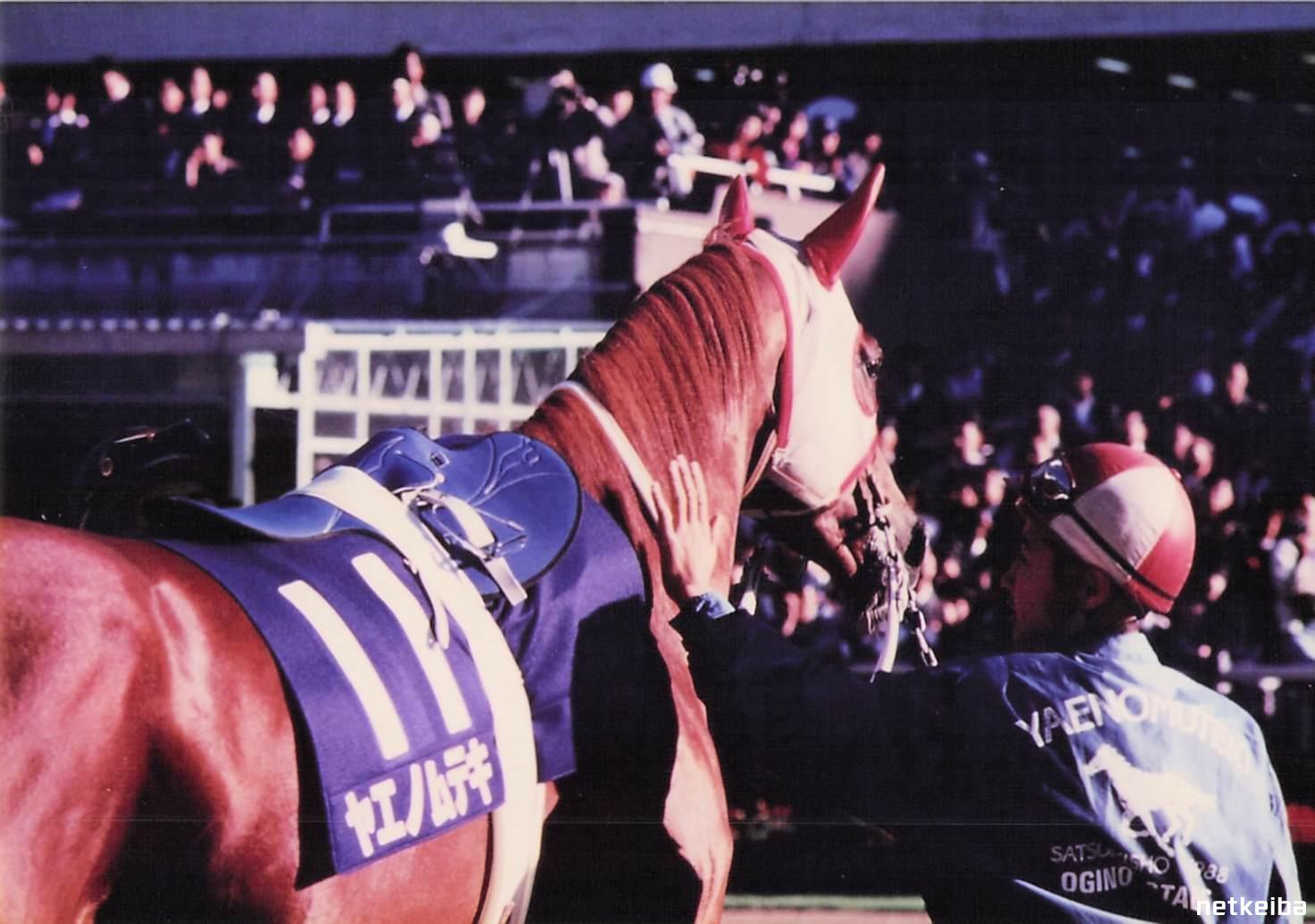
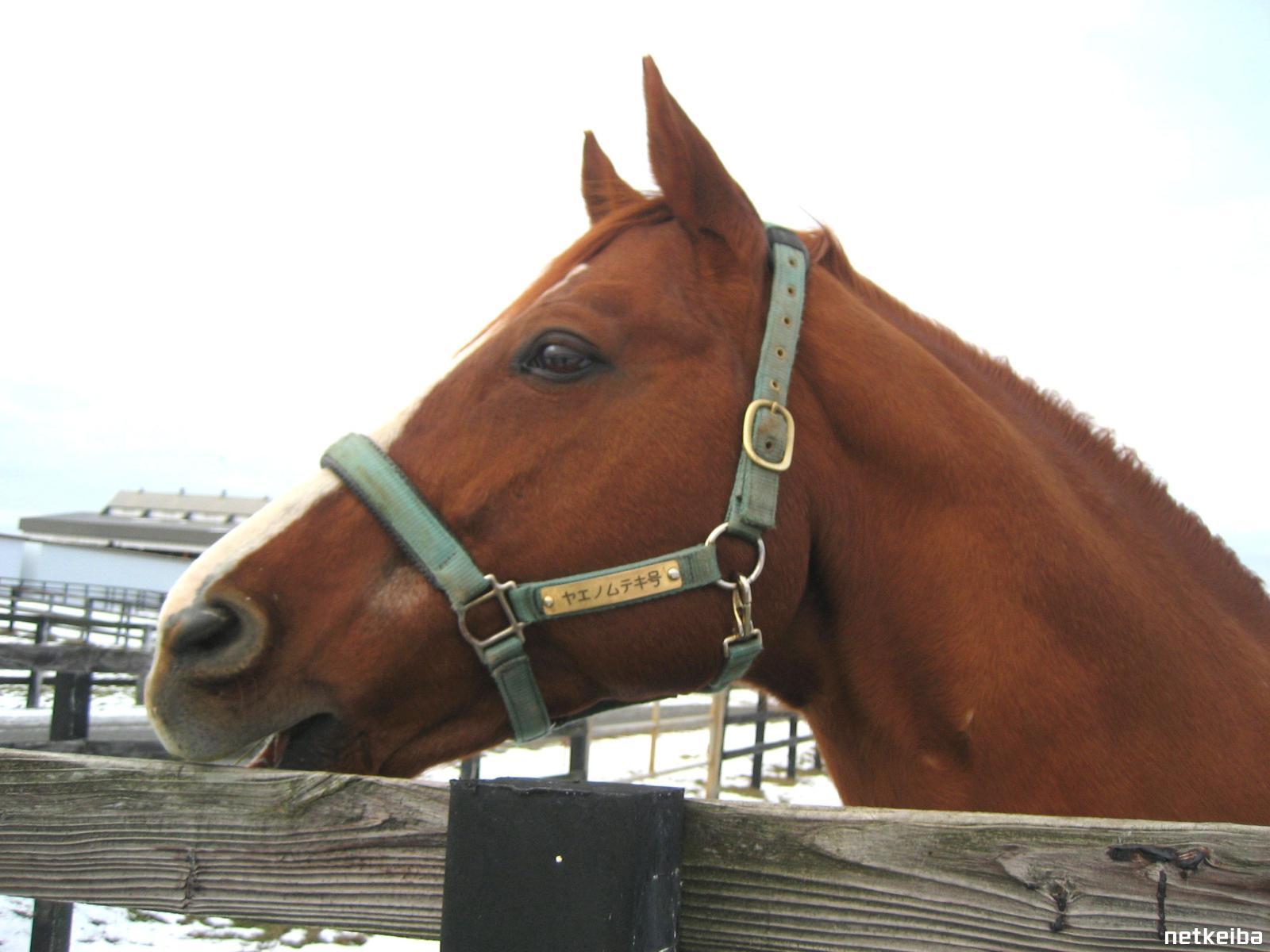
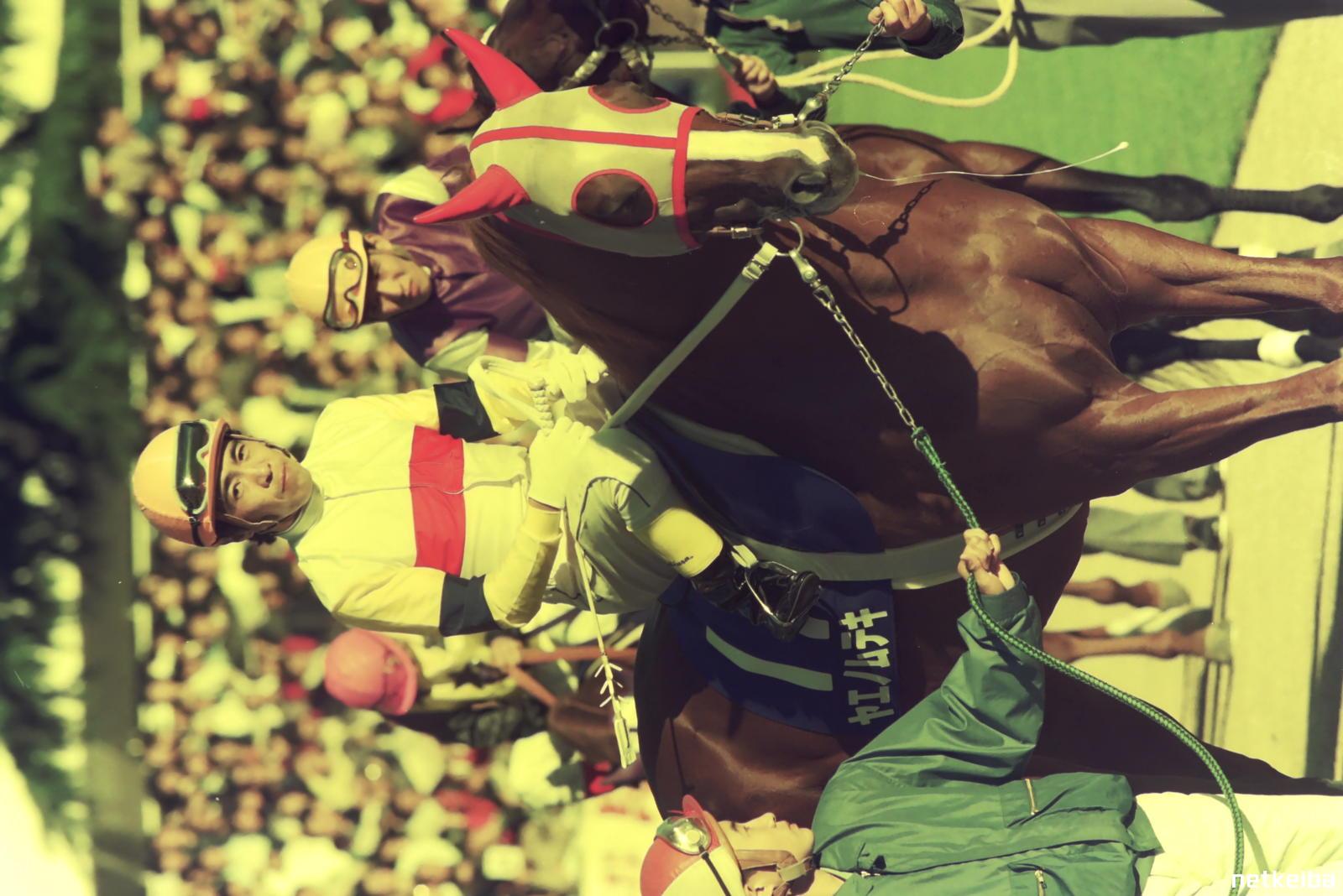
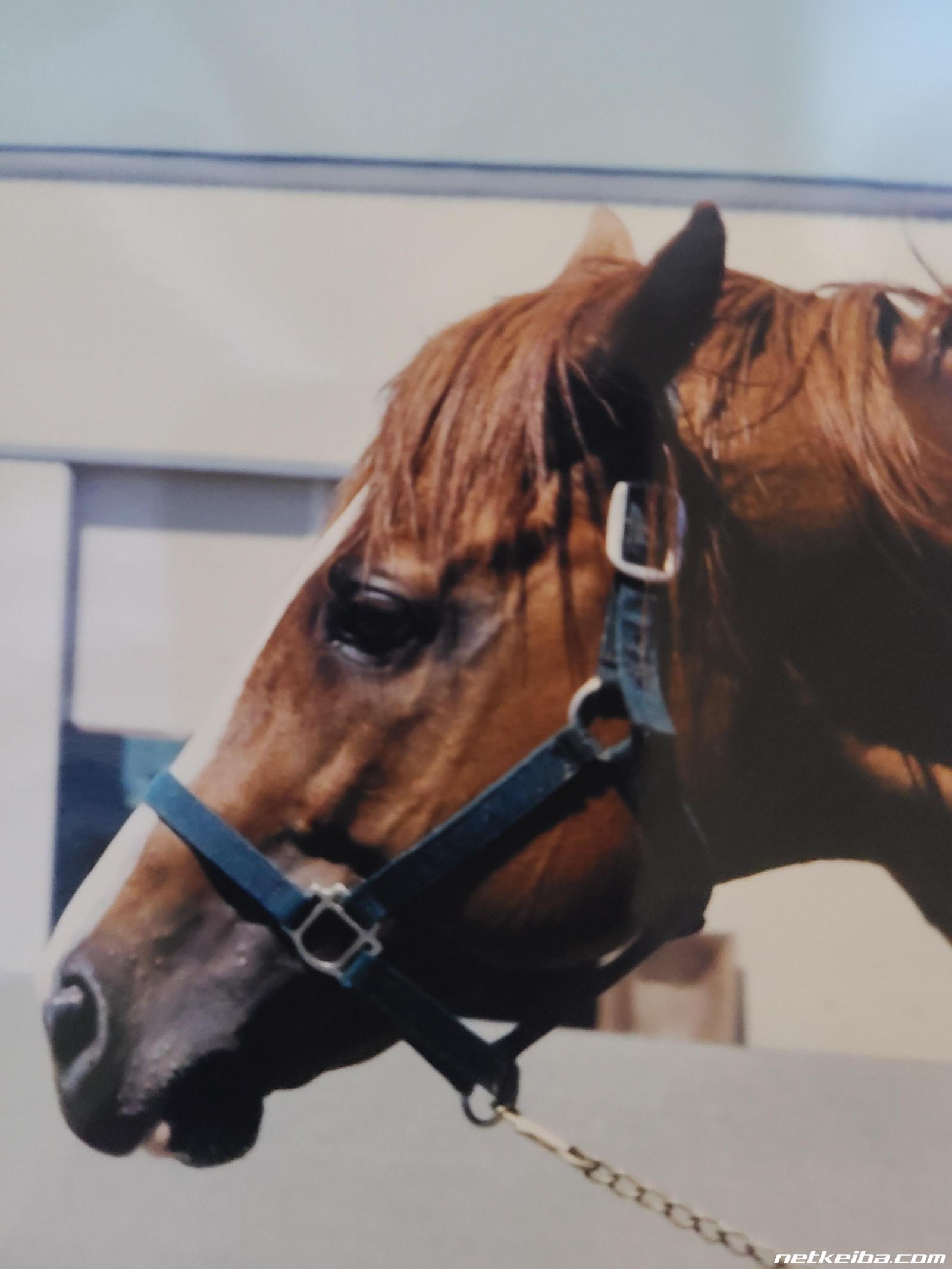
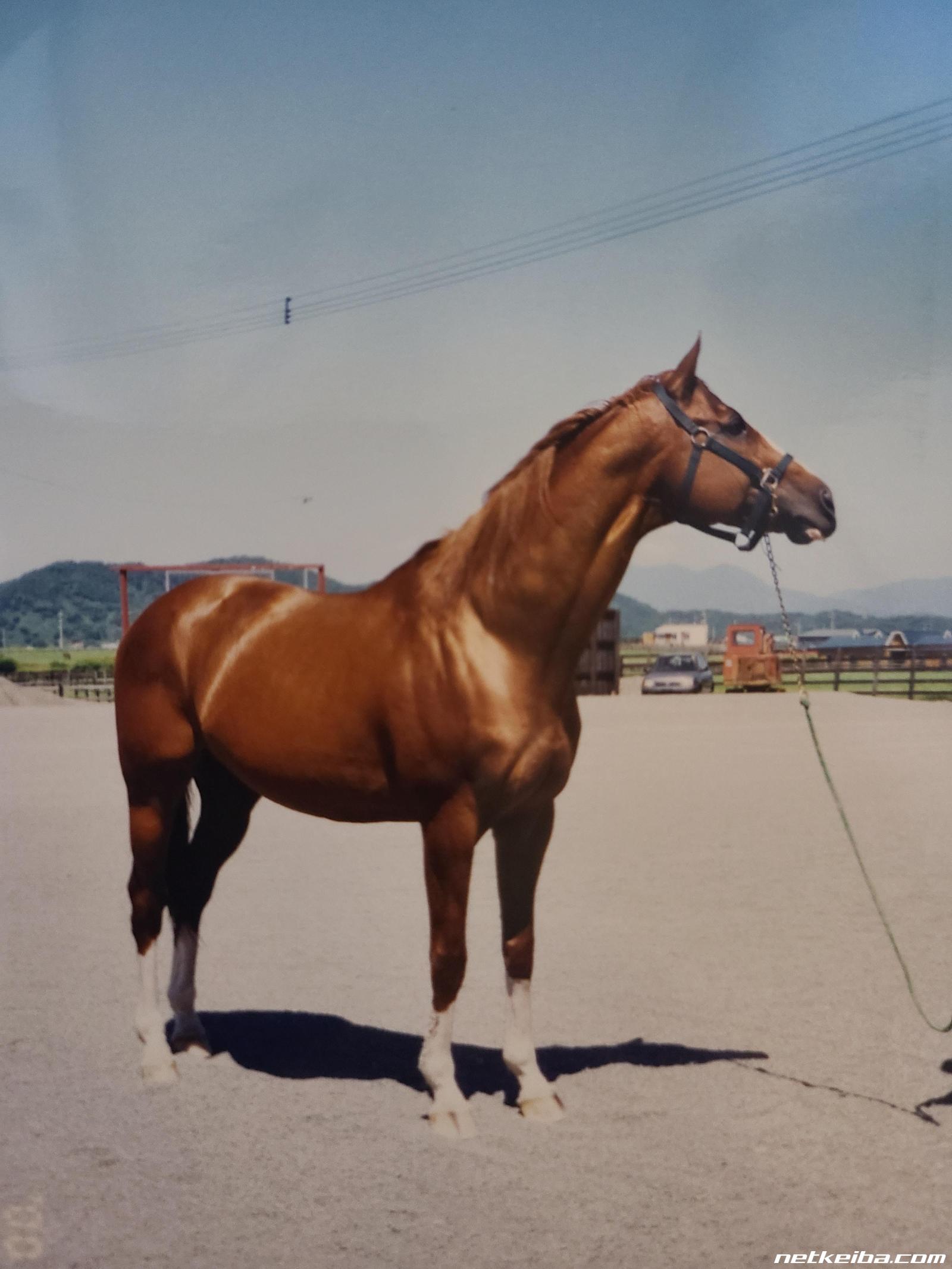
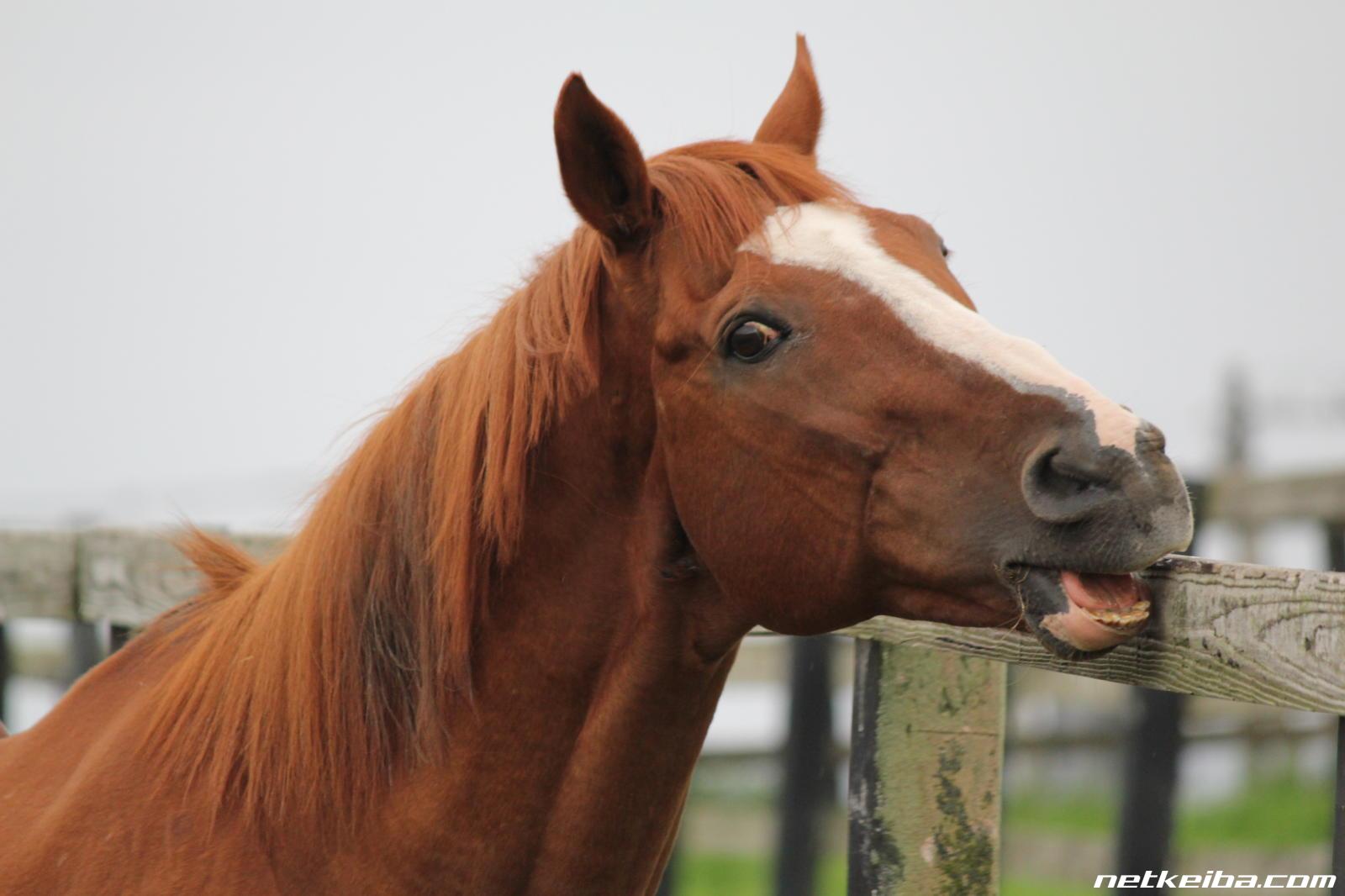
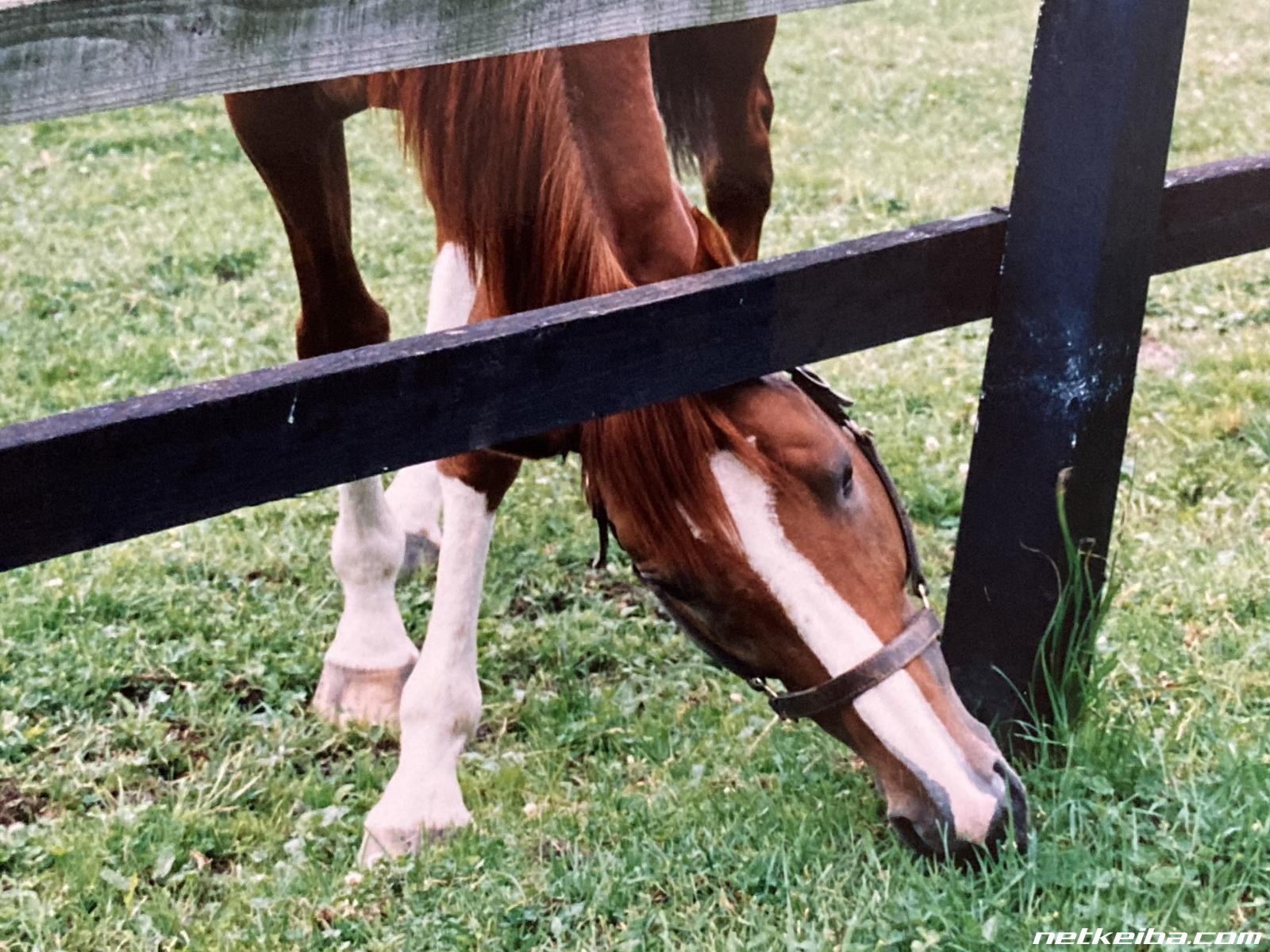
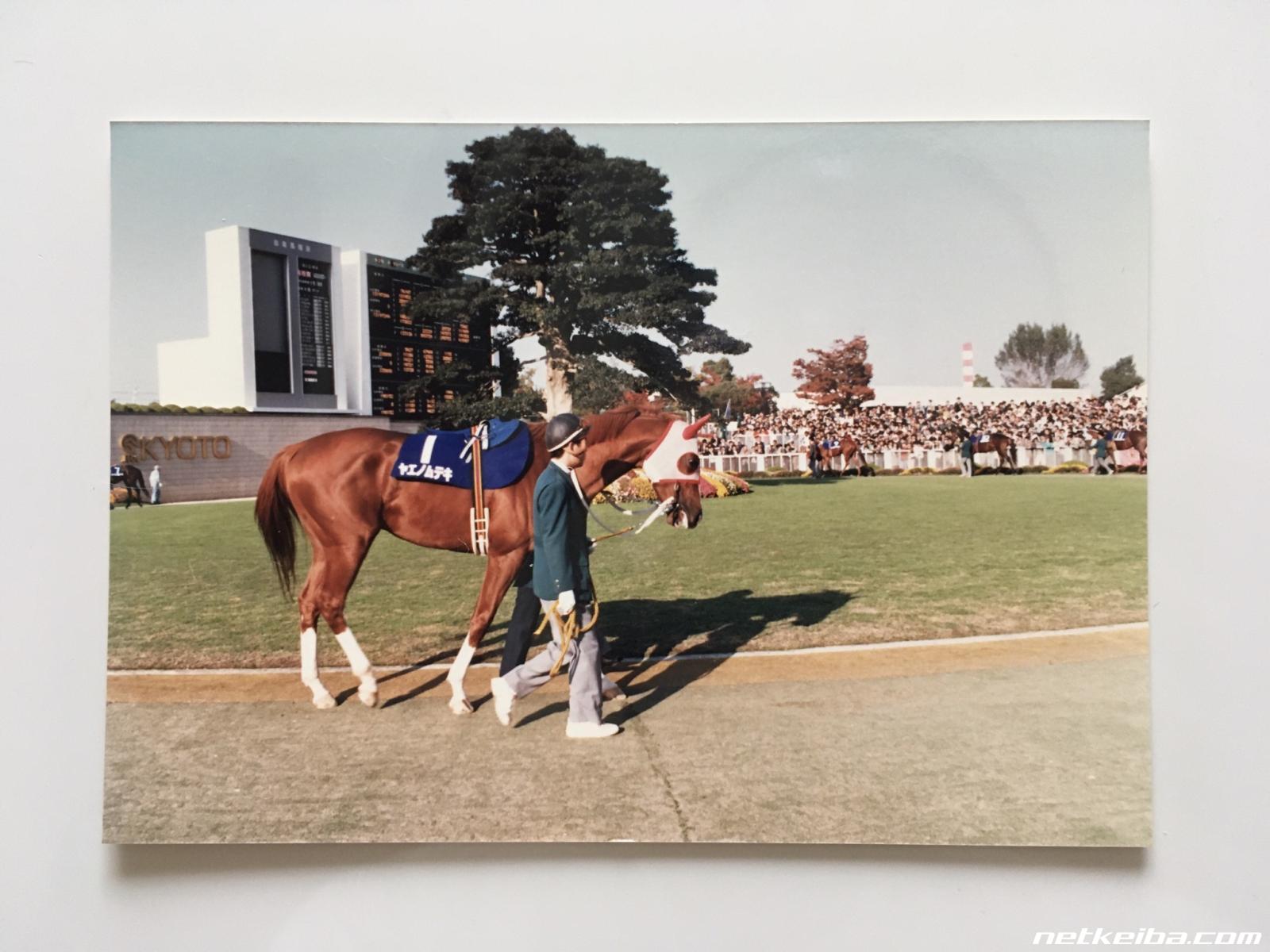
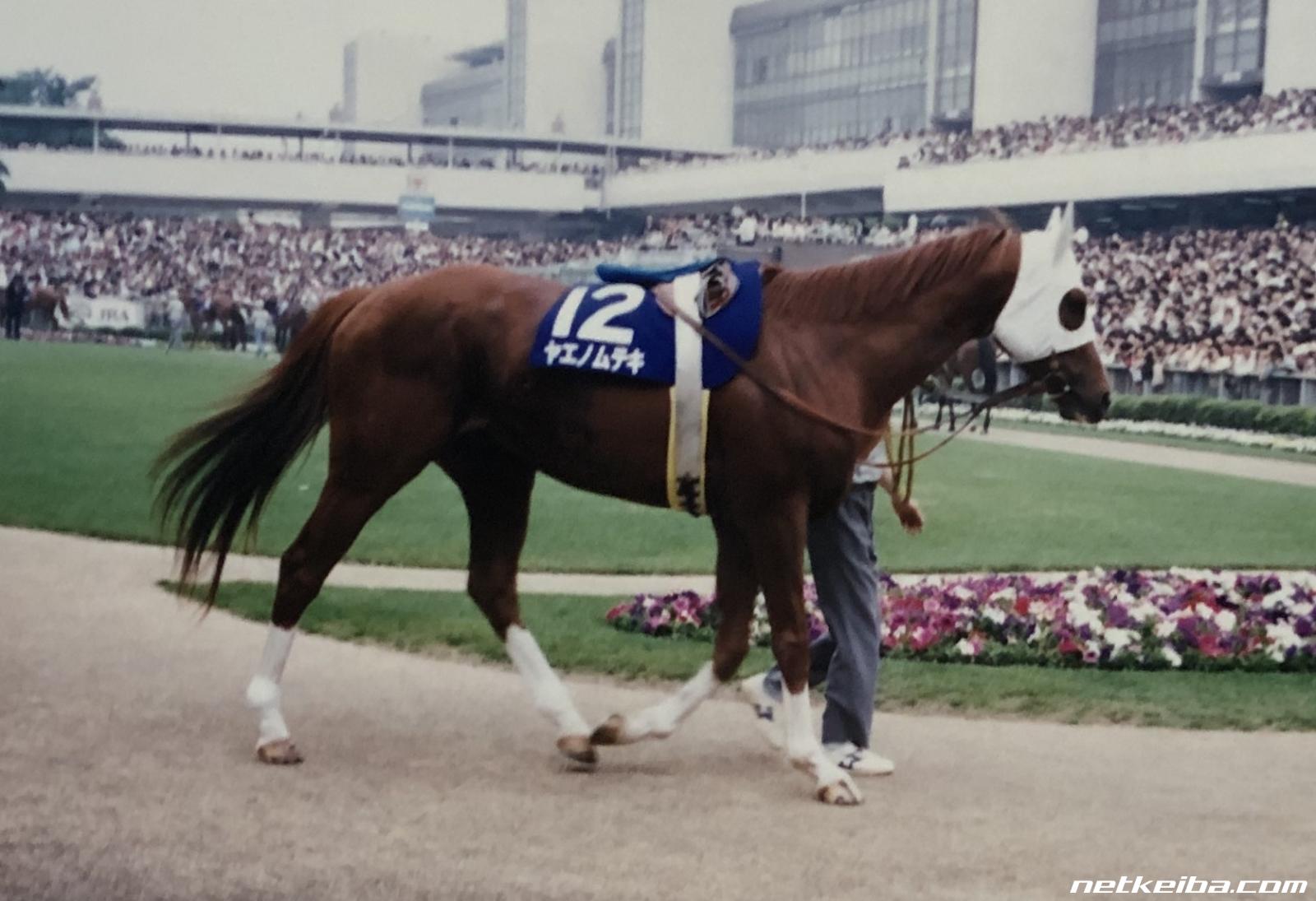
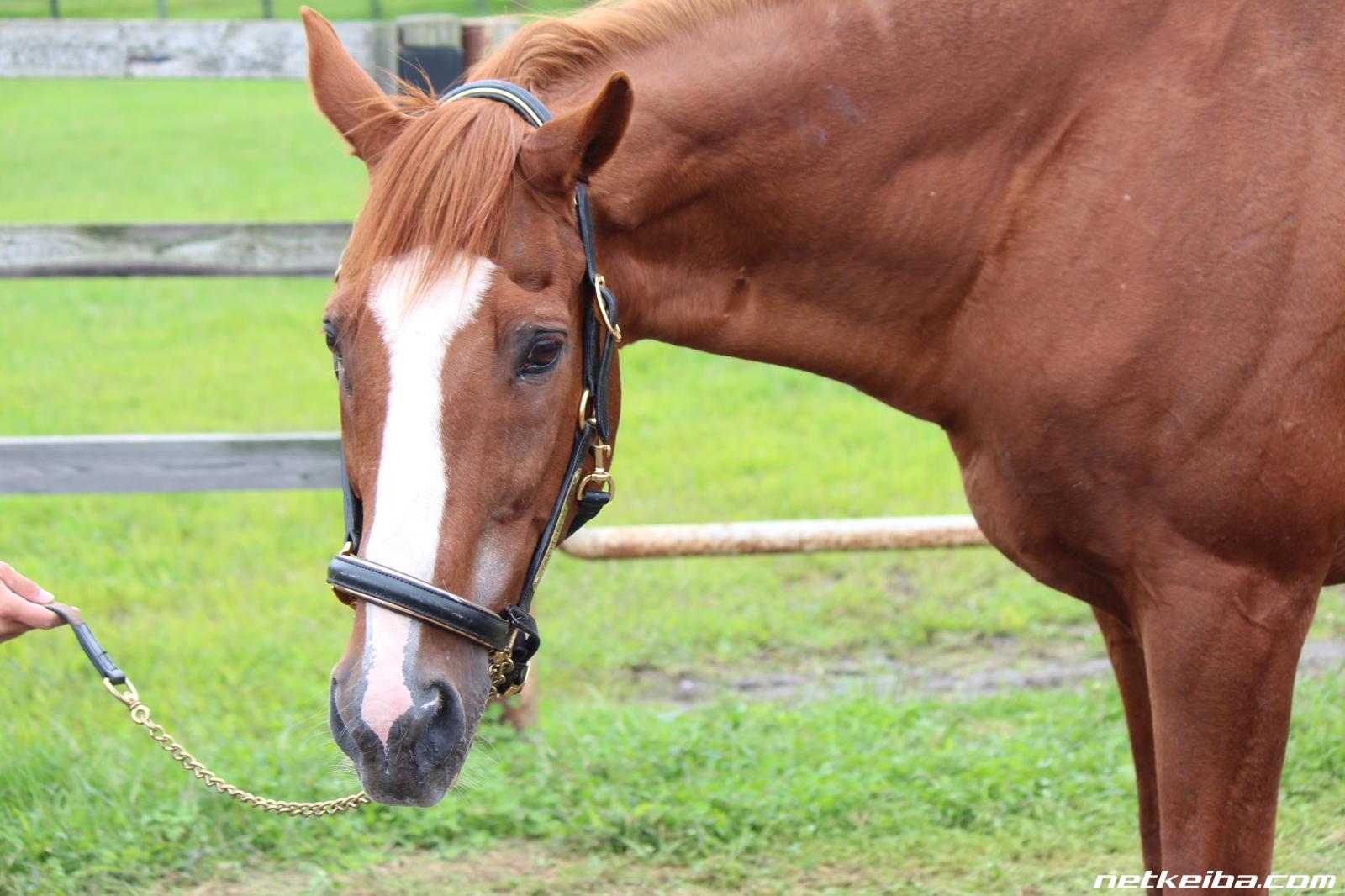
Yaeno Muteki (ヤエノムテキ) was a Japanese Thoroughbred chestnut stallion foaled on 11 April 1985, bred by Miyamura Bokujo and campaigned in the colours of Fuji. Trained at Ritto by Mitsuo Ogino, he developed into one of the notable Japanese runners of the late 1980s and early 1990s, compiling a race record of 23 starts for 8 wins, 4 seconds and 3 thirds. His earnings reached ¥518.30 million in JRA figures, with JBIS listing total earnings of ¥524,227,500.
He was by Yamaninsky, a son of the great Nijinsky, and out of Tsurumi Star, by Yellow God. That pedigree placed him in an interesting blend of international classic bloodlines and Japanese breeding, and his later recognition as the 1990 JRA Best Horse by Home-bred Sire underlined the importance of his background. The family also included siblings such as Muteki Surpass, Mayano Princess and Yaeno Shori.
On the track, Yaeno Muteki built his reputation as a high-class performer at middle distances, with his biggest breakthrough coming in 1988 when he won the Satsuki Sho, one of the Japanese Triple Crown races. That same year he also added the Kyoto Shimbun Hai and Naruo Kinen, confirming that his Classic success was no fluke and that he belonged among the best of his generation.
He remained a durable and effective older horse after his three-year-old season. In 1989 he captured the Sankei Osaka Hai, and in 1990 he achieved another elite victory in the Tenno Sho (Autumn), one of Japan’s most prestigious races for older horses. That campaign brought him the JRA Award for Best Horse by Home-bred Sire, a distinction that reflected both his own quality and the significance of his sire line within Japanese racing.
Yaeno Muteki retired with a profile that combined Classic success, longevity at the top level, and importance as a representative of domestic breeding. He later died on 28 March 2014. Though not the most globally famous Japanese horse of his era, he remains a respected name in the historical record: a Satsuki Sho winner who trained on, stayed sound enough to compete across several seasons, and added a Tenno Sho to secure his place in Japan’s racing story.
Sources