Registered name
Lucky Lilac
Trainer
Mikio Matsunaga
Owner
Sunday Racing Co. Ltd.
Breeder
Northern Farm
Voice actor
Yuki Naka
KEY FACTS: ace Outfit Original Design Starting Future Names English Lucky Lilac Japanese ラッキーライラック Romaji Rakkii Rairakku Chinese (Traditional) 幸運歐丁香 Chinese (Hong Kong JC) 旺紫丁 Korean 럭키 라일락 Nicknames ララ (Lala) ラック (Luck (trainer))
Era
2010s-2020s
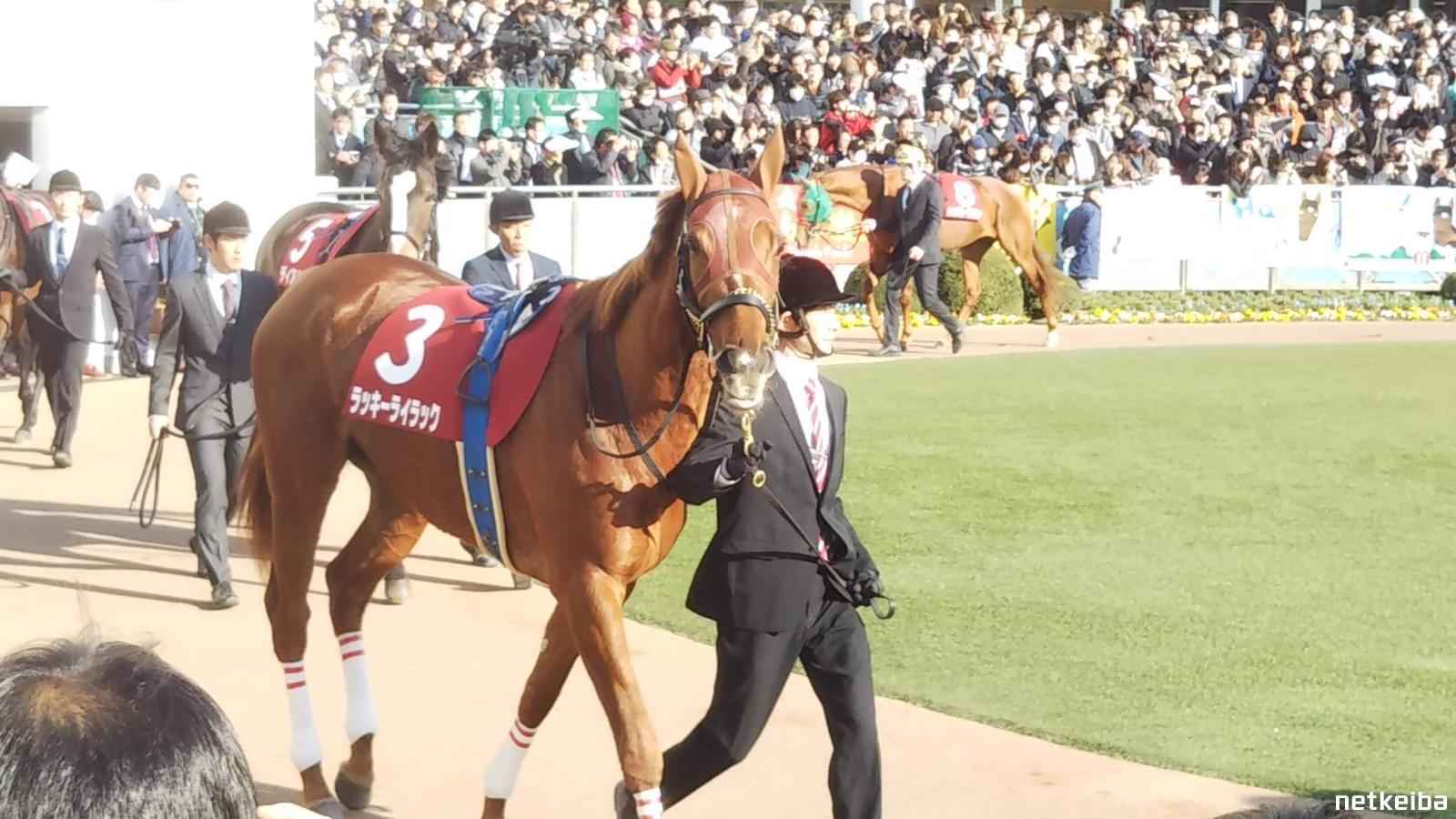
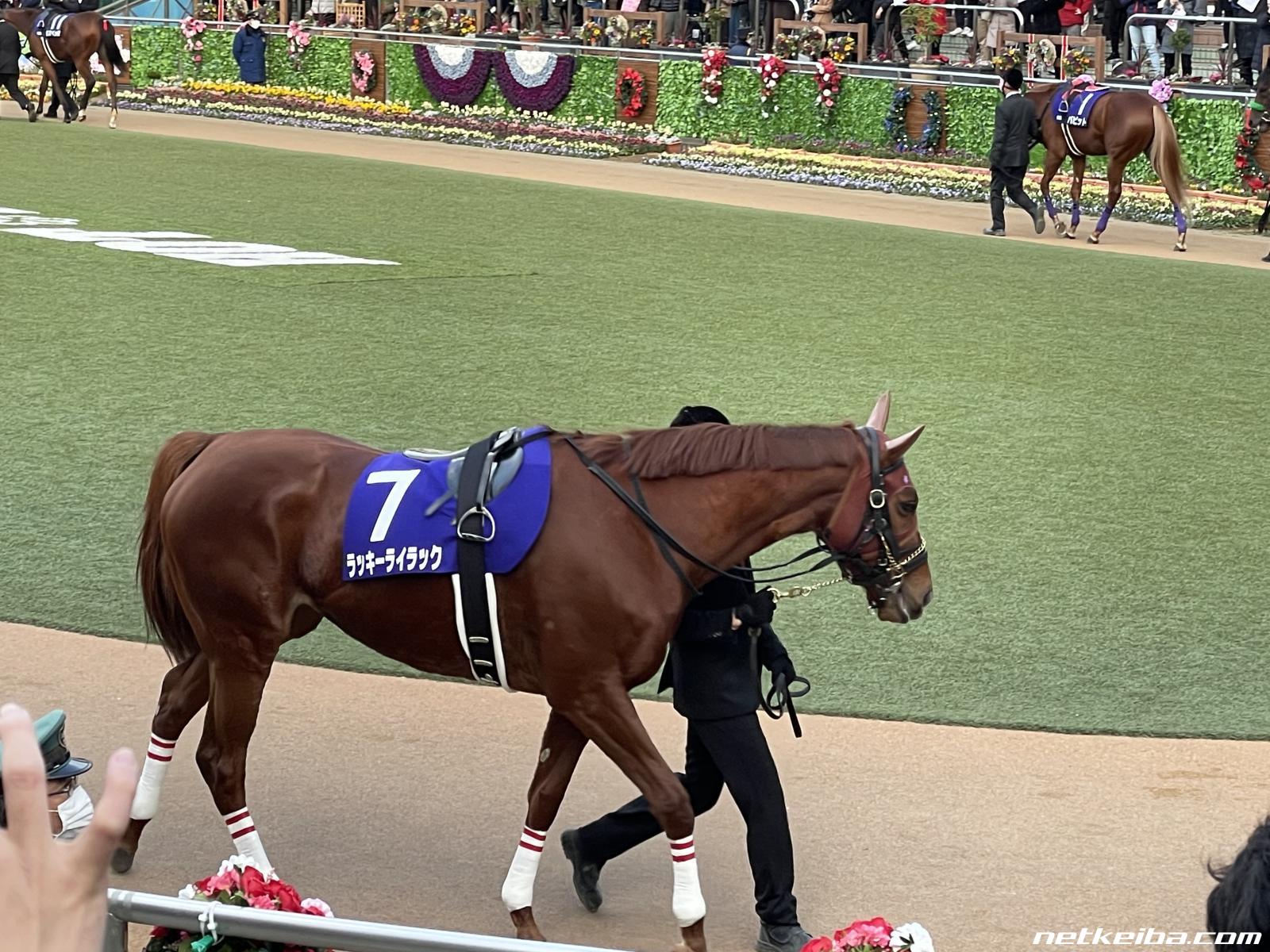
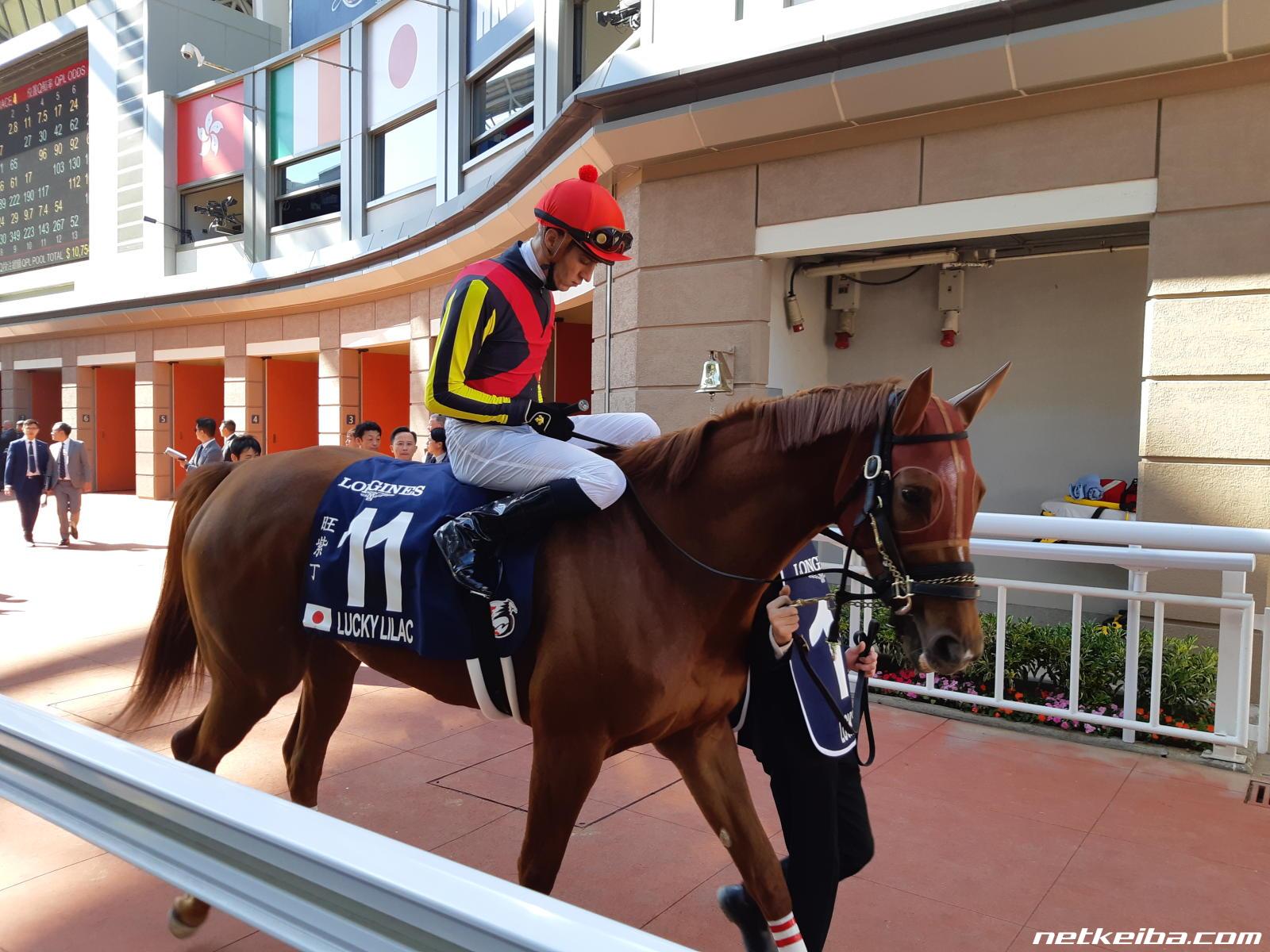
Lucky Lilac was one of the standout Japanese mares of her generation, a chestnut daughter of Orfevre foaled on 3 April 2015. Bred by Northern Farm and raced in the colours of Sunday Racing Co. Ltd., she was trained at Ritto by Mikio Matsunaga. Her background combined elite Japanese and American bloodlines, being out of Lilacs and Lace, a daughter of Flower Alley, and she raced as a syndicated filly for Sunday Racing.
She announced herself early. At two, Lucky Lilac won the Artemis Stakes and then captured the Hanshin Juvenile Fillies, performances that secured her the 2017 JRA Award for Best Two-Year-Old Filly. That championship season established her as one of the leading young fillies in Japan and set the tone for a career built on class, consistency, and effectiveness over middle distances.
At three, she added the Tulip Sho, showing she could carry her juvenile promise into classic season company. Although her career would ultimately be defined more by sustained top-level excellence than by a single brief peak, she remained a major presence in high-class races year after year. Her overall record of 19 starts for 7 wins, 4 seconds, and 3 thirds reflects that reliability at the highest level.
Her finest mature achievements came later. In 2019 she won the Queen Elizabeth II Cup, and in 2020 she reached another career summit by taking the Osaka Hai, her major listed Grade 1 success in the available records. She returned to win the Queen Elizabeth II Cup again in 2020, giving her multiple top-level victories and underlining both her durability and her quality against older horses.
Lucky Lilac retired with earnings reported at ¥737,467,000, with additional Hong Kong earnings also recorded, and she left the track as a proven Grade 1-winning mare with an important place in Japanese racing of the late 2010s and early 2020s. As a daughter of Orfevre, a champion juvenile, and a dual Queen Elizabeth II Cup winner, she stands as a notable example of a filly who developed from early brilliance into a distinguished older mare.
Sources